Gun Carry Laws in Pennsylvania: What You Need to Know Today
If you own a gun or are thinking about carrying one in Pennsylvania, understanding the state’s gun carry laws is crucial for your safety and peace of mind. You don’t want to risk breaking the law because of a simple misunderstanding.
This guide will help you clearly see what is allowed, what isn’t, and how to stay within the legal limits. Keep reading to make sure you know your rights and responsibilities before you carry a firearm anywhere in Pennsylvania. Your safety and freedom depend on it.
Pennsylvania Gun Carry Basics
Pennsylvania gun carry laws are important for all residents to know. These rules explain how and where you can carry a firearm legally. Understanding these basics helps avoid trouble with the law.
Pennsylvania allows both open and concealed carry with certain rules. The state requires a license for concealed carry but not for open carry. Still, there are limits on where guns can be carried.
Open Carry In Pennsylvania
Open carry means carrying a gun visibly on your body. Pennsylvania does not require a license for open carry. You can carry a firearm openly almost anywhere in public.
Some places still ban open carry, like schools and government buildings. Always check local rules before carrying openly.
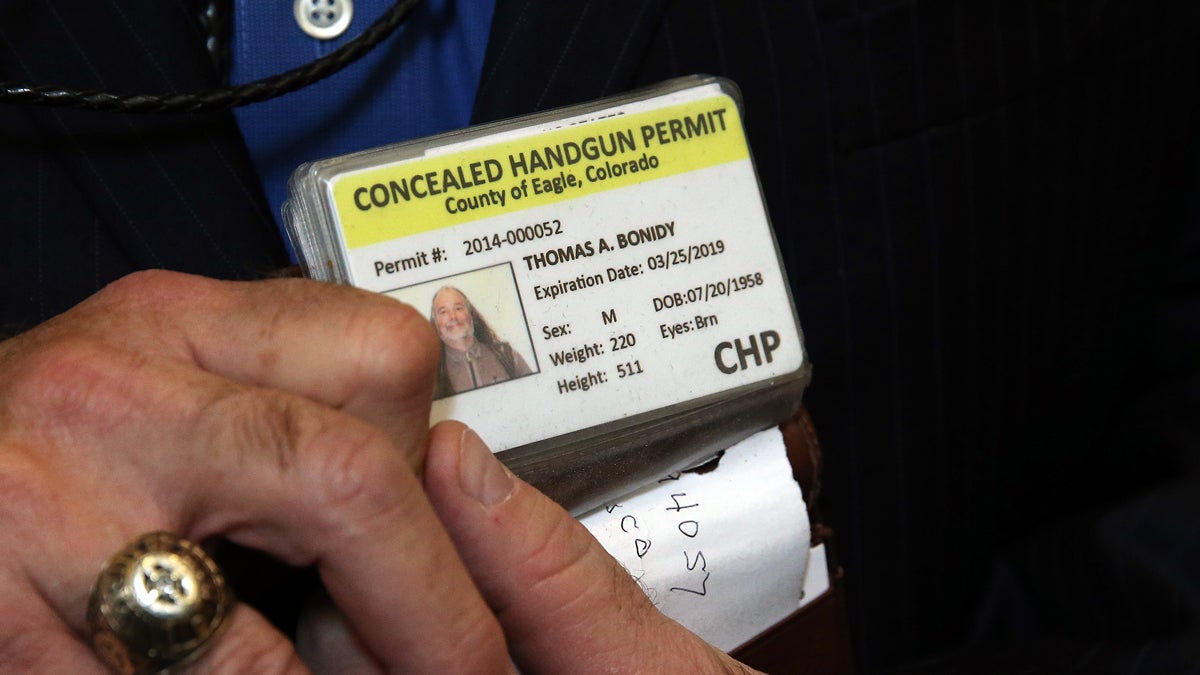
Concealed Carry License
A concealed carry license lets you carry a hidden gun. Pennsylvania issues licenses to residents who meet age and background checks. The process includes submitting fingerprints and paying a fee.
Once you have a license, you can carry a concealed firearm in many public places. Some locations remain off-limits even with a license.
Certain areas in Pennsylvania do not allow guns, even with a license. These include schools, courthouses, and private businesses that post no-gun signs. Carrying a firearm in restricted places can lead to legal trouble.
It is best to respect all signs and rules about gun carry. Doing so keeps you safe and lawful.
Credit: whyy.org
Types Of Permits And Eligibility
Pennsylvania offers different permits for carrying guns, such as a License to Carry Firearms (LTCF). Eligibility depends on age, background checks, and residency rules. Knowing these types helps understand who can legally carry a gun in the state.
Types Of Permits In Pennsylvania
Pennsylvania offers two main types of gun carry permits. The first is the License to Carry Firearms (LTCF). This permit allows individuals to carry a concealed firearm. The second type is the Permit to Carry a Firearm (PCF), which was the earlier version but is now largely replaced by the LTCF. Both permits serve similar purposes but differ in application and rules.
The LTCF is the most common permit used today. It covers carrying handguns in public places, both concealed and open carry. Pennsylvania law requires a permit for concealed carry, while open carry does not always need one.
Eligibility Requirements For Permits
Applicants must meet specific criteria to get a permit. Age is a key factor. You must be at least 21 years old to apply. Exceptions exist for military personnel, who can apply at 18.
Applicants must also have no felony convictions or serious misdemeanors. They cannot be under a protection order or have a history of drug abuse. Mental health conditions that affect judgment can disqualify applicants.
The state requires a background check. This includes fingerprinting and a review of criminal and mental health records. The process ensures only responsible individuals carry firearms.
Application Process Highlights
Applying for a permit starts at the county sheriff’s office. You need to fill out forms and provide identification. Proof of residency in Pennsylvania is required. The sheriff has 45 days to approve or deny the application.
Training is not mandatory in all counties but is highly recommended. Some counties require applicants to show familiarity with firearm safety. This varies by location.
Permits are valid for five years. Renewal requires a new application and background check. Staying informed about local laws helps keep the permit valid.
Places Where Guns Are Restricted
Pennsylvania has specific rules about where guns cannot be carried. These rules protect public safety and set clear boundaries. Knowing these places helps avoid legal trouble.
Some areas have total bans on guns. Others have limits on how you can carry them. The laws vary depending on the place and situation.
Schools and School PropertyGuns are not allowed on school grounds. This includes all public and private schools. The ban covers buildings, playgrounds, and parking lots. The law aims to keep children safe.
Government BuildingsMany government buildings ban guns. This includes courthouses and city halls. Security checks often enforce this rule. Carrying a gun here can lead to serious penalties.
Private Property with SignsProperty owners can ban guns on their land. They must post clear signs. If a sign says no guns, you must obey. Ignoring this can result in fines or arrest.
Bars and Places Serving AlcoholCarrying guns in bars is illegal in Pennsylvania. This rule helps prevent violence. Even with a permit, guns are not allowed here.
Public TransportationGuns are banned on public transit vehicles. This includes buses and trains. The restriction aims to protect passengers and staff. Violations carry legal consequences.
Credit: handgunlaw.us
Recent Changes And Legal Updates
Pennsylvania’s gun carry laws have seen notable updates recently. These changes affect who can carry, where, and under what conditions.
Understanding these updates helps gun owners stay legal and safe. The laws aim to balance safety and rights carefully.
Changes To Permit Requirements
The state has adjusted rules for obtaining a gun carry permit. Applicants now face different background check steps.
Some permit types have new age limits and training requirements. These changes impact first-time applicants most.
New Restrictions On Carry Locations
Certain public places now have stricter carry restrictions. These include schools, government buildings, and some private properties.
Gun owners must pay close attention to these restricted zones. Carrying a firearm in banned areas can lead to penalties.
Updated Open Carry Regulations
Open carry rules have also been revised in the state. Some areas that allowed open carry before now require a permit.
These updates affect how and where firearms can be visibly carried in public.
Changes In Reciprocity Agreements
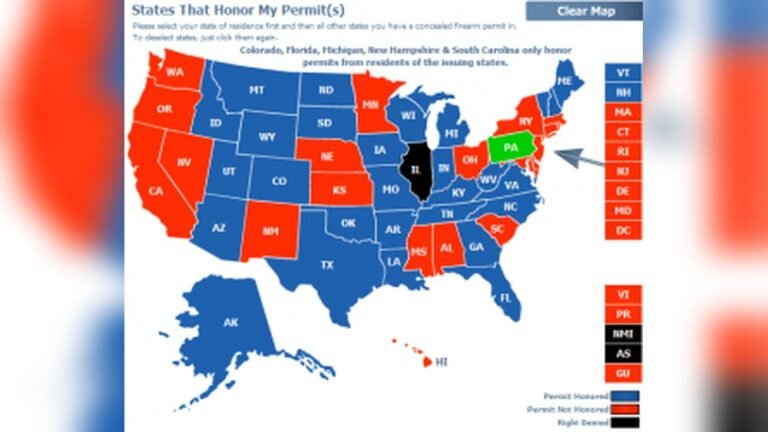
Pennsylvania updated its agreements with other states about recognizing gun permits. This affects travelers carrying firearms across state lines.
Knowing which states honor Pennsylvania permits is essential for legal carry while traveling.
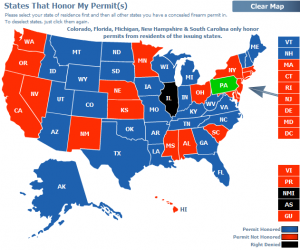
Credit: gambonelaw.com
Frequently Asked Questions
What Are Pennsylvania’s Rules For Carrying A Concealed Gun?
Pennsylvania requires a License to Carry Firearms (LTCF) to carry a concealed gun. Applicants must be 21 or older and pass background checks. The license is valid for five years.
Can I Carry A Gun Without A Permit In Pennsylvania?
Yes, open carry is allowed without a permit for those 18 and older. However, concealed carry always needs a valid LTCF. Local laws may have additional restrictions.
Where Is Gun Carrying Prohibited In Pennsylvania?
Guns cannot be carried in schools, courthouses, and some government buildings. Private properties may also ban firearms. Always check signs and local rules.
How Do I Apply For A Gun Carry License In Pennsylvania?
Apply at the county sheriff’s office or police department. Provide ID, fingerprints, and pay a fee. The process usually takes 45 days or less.
Are There Special Gun Laws For Self-defense In Pennsylvania?
Yes, Pennsylvania has a “Castle Doctrine” allowing gun use in home defense. You can use reasonable force if threatened in your home. Outside, you must follow strict self-defense rules.
Conclusion
Pennsylvania’s gun carry laws can seem complex at first. Knowing the basics helps you stay safe and legal. Always check local rules before carrying a firearm. Carry permits have specific requirements and limits. Staying informed protects your rights and others around you.
Remember, responsible gun ownership means following the law closely. Stay updated as laws may change over time. Understanding these rules makes carrying easier and safer. Keep learning and respect the laws to avoid trouble. Your safety and the safety of others matter most.

Ismail Hossain is the founder of Law Advised. He is an Divorce, Separation, marriage lawyer. Follow him.