Trespassing Laws in Pennsylvania: What You Must Know Now
Have you ever wondered what happens if you step onto someone else’s property without permission in Pennsylvania? Understanding trespassing laws isn’t just for property owners—it’s important for you too.
Whether you’re hiking, exploring, or just passing through, knowing the rules can protect you from serious trouble. You’ll discover exactly what counts as trespassing, what penalties you could face, and how to stay on the right side of the law.
Keep reading to make sure your next adventure stays safe and legal.
Credit: cornerstonelaw.us
Types Of Trespassing In Pennsylvania
Trespassing laws in Pennsylvania cover different situations. The law treats each type of trespass in a unique way. Understanding these types helps people follow the rules and avoid trouble. Trespassing can happen on private or public land. The law separates criminal trespass from civil trespass. Each has its own consequences and legal process.
Here are the main types of trespassing in Pennsylvania. This guide explains what each type means and how the law applies.
Criminal Trespass
Criminal trespass happens when someone enters or stays on property without permission. The person must know they do not have the right to be there. This type of trespass can lead to fines or jail time. It is important to respect “No Trespassing” signs and private property boundaries. Criminal trespass often involves intent to cause harm or break rules.
Civil Trespass
Civil trespass occurs when someone enters property without consent but without criminal intent. It is a legal wrong, but not a crime. Property owners can sue for damages or ask the court to stop trespassing. This type of trespass deals mostly with property rights and compensation. Civil trespass cases often involve disputes between neighbors or businesses.
Trespassing On Private Property
Private property includes homes, farms, and businesses. Owners have the right to control access. Entering private property without permission is illegal. Property owners can use signs or fences to warn trespassers. Trespassing on private land can lead to criminal charges or civil lawsuits. Respecting private property helps keep peace and safety.
Trespassing On Public Land
Public land is owned by the government and open to the public. Examples include parks, forests, and schools. Some public areas have restricted zones. Entering these zones without permission is trespassing. The law protects these areas to maintain safety and order. Trespassers on public land may face fines or removal by authorities.

Credit: www.outdoornews.com
Legal Penalties And Consequences
Trespassing laws in Pennsylvania carry serious legal penalties and consequences. These laws protect private property and public spaces from unauthorized entry. Violating these laws can lead to fines, criminal charges, and civil liability. Understanding these penalties helps prevent costly legal trouble.
Fines And Criminal Charges
Trespassing in Pennsylvania may result in fines or criminal charges. The severity depends on the situation and location. Simple trespassing is often a summary offense, with fines up to $300. More serious cases, like trespassing on certain properties, may lead to misdemeanor charges. These charges can bring larger fines and possible jail time. Law enforcement takes repeated or harmful trespassing very seriously.
Civil Liability
Besides criminal penalties, trespassers may face civil liability. Property owners can sue for damages caused by trespassing. This includes repair costs or losses from theft or vandalism. Courts may order trespassers to pay compensation. Civil cases add financial risk beyond criminal fines. Property owners use civil lawsuits to protect their rights and deter trespassing.
Repeat Offender Implications
Repeat trespassing leads to harsher consequences in Pennsylvania. Courts may impose steeper fines or longer jail sentences. Repeat offenders risk felony charges if their trespassing causes damage or danger. Judges often view repeat trespassers as a threat to public safety. Prior convictions increase the chance of severe punishment. Avoiding repeat offenses is crucial to staying out of serious legal trouble.
Property Owner Rights And Responsibilities
Property owners in Pennsylvania have clear rights and duties under trespassing laws. They can protect their land from unwanted visitors. At the same time, they must follow the law when enforcing these rights. Understanding these rules helps keep everyone safe and respects personal property.
Posting No Trespassing Signs
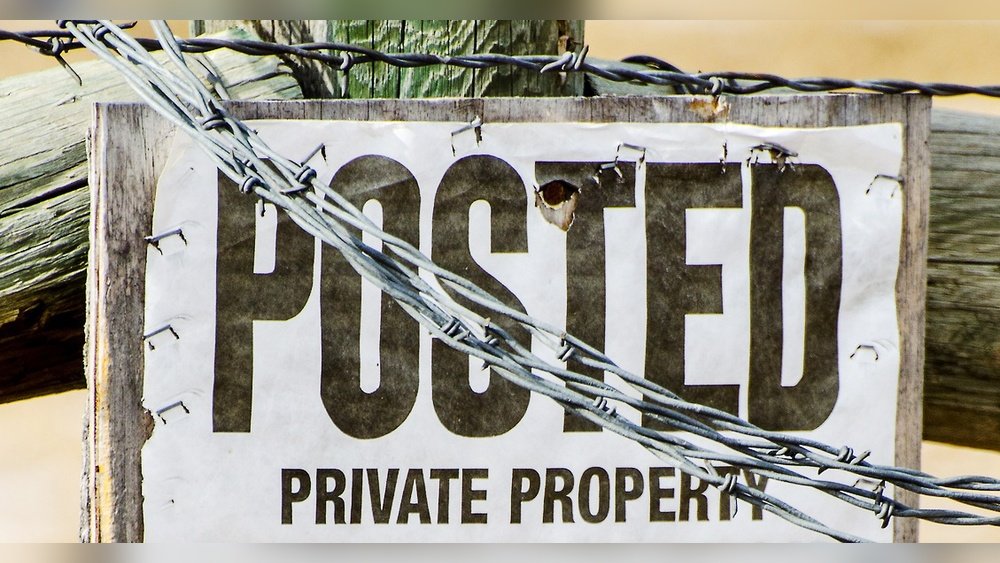
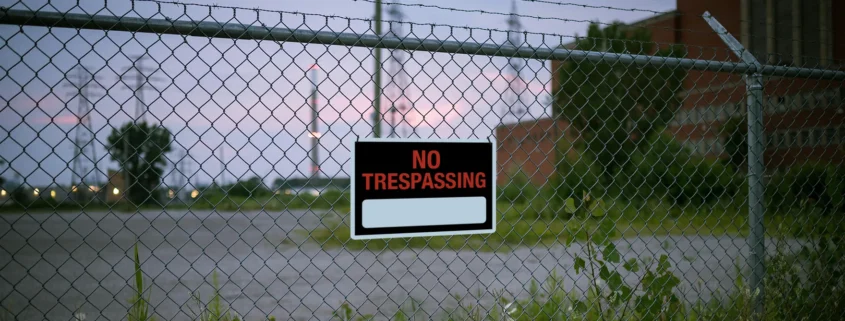
Property owners should put up clear “No Trespassing” signs. These signs warn people not to enter the land. Signs must be easy to see and read. They show that the owner does not allow entry without permission. Properly posted signs make it easier to enforce trespassing laws.
Use Of Force And Self-defense
Owners may use reasonable force to protect their property. Force must not be excessive or harmful. Pennsylvania law allows self-defense if the owner feels in danger. Using force only to stop trespassers is legal. Excessive force can lead to legal trouble for the owner.
Reporting Trespassing Incidents
Owners should report trespassing to local police. This creates an official record of the event. Police can warn or arrest repeat offenders. Reporting helps protect the property and owner’s rights. It also keeps the community safer by addressing trespassing problems.

Credit: www.cookforestconservancy.org
Exceptions And Special Cases
Trespassing laws in Pennsylvania have specific exceptions and special cases. These rules allow certain people to enter private property without breaking the law. Understanding these exceptions helps avoid legal trouble and respects property rights.
Emergency Access
Emergency responders can enter private land during urgent situations. Police, firefighters, and paramedics act fast to save lives and protect property. They do not need permission to cross fences or gates in emergencies. This access is legal and protected by law.
Utility And Government Workers
Utility workers often need to access private property to maintain services. Electricians, water workers, and telecom crews have the right to enter land for repairs. Government workers may also enter for inspections or public projects. They must follow rules and notify owners when possible.
Hunting And Recreational Access Laws
Pennsylvania allows limited access for hunting on private land. Hunters must have permission from the landowner before entering. Some areas have special rules for hiking and fishing too. These laws balance outdoor activities with respect for private property.
Frequently Asked Questions
What Is Considered Trespassing In Pennsylvania?
Trespassing means entering or staying on private property without permission. It can include crossing fences or ignoring “No Trespassing” signs.
Can I Be Arrested For Trespassing In Pennsylvania?
Yes, trespassing can lead to arrest and criminal charges. Penalties depend on the type and severity of the trespass.
Are There Exceptions To Trespassing Laws In Pennsylvania?
Yes, emergencies or public officials performing duties may be exceptions. Always check local rules for specific cases.
What Penalties Exist For Trespassing In Pennsylvania?
Penalties range from fines to jail time. Repeat offenses usually lead to harsher punishments.
How Can Property Owners Protect Against Trespassing?
Owners can post clear signs and fences. They may also contact law enforcement if trespassers enter.
Conclusion
Trespassing laws in Pennsylvania protect private property owners. Respecting these rules helps avoid legal trouble. Always watch for signs and respect boundaries. Knowing the law keeps you and others safe. Stay informed and act responsibly to prevent conflicts. Understanding trespassing rules benefits everyone in the community.
Keep these points in mind when near private land. Simple caution can save you from fines or arrest. Stay safe, respect property, and follow the law.

Ismail Hossain is the founder of Law Advised. He is an Divorce, Separation, marriage lawyer. Follow him.