What are Car Seat Laws in Florida: Essential Safety Rules Explained
When it comes to keeping your little ones safe on the road, knowing the car seat laws in Florida isn’t just helpful—it’s essential. You might think you have a good handle on the rules, but the details can be surprising and even tricky to follow.
Are you sure your child is in the right seat for their age, weight, and height? Do you know when it’s time to switch from a car seat to a booster seat, or when seat belts alone are enough? Understanding these laws not only protects your child but also keeps you on the right side of the law.
Keep reading to get clear, simple answers that will help you buckle up your child the right way every time you hit the road in Florida.
Florida Car Seat Requirements
Florida car seat requirements protect children during vehicle travel. The state law sets clear rules on which seats children must use. These rules depend on the child’s age, weight, and height.
Parents and caregivers must follow these rules to ensure safety. Knowing the exact requirements helps avoid fines and keeps kids secure.
Infant Car Seat Requirements
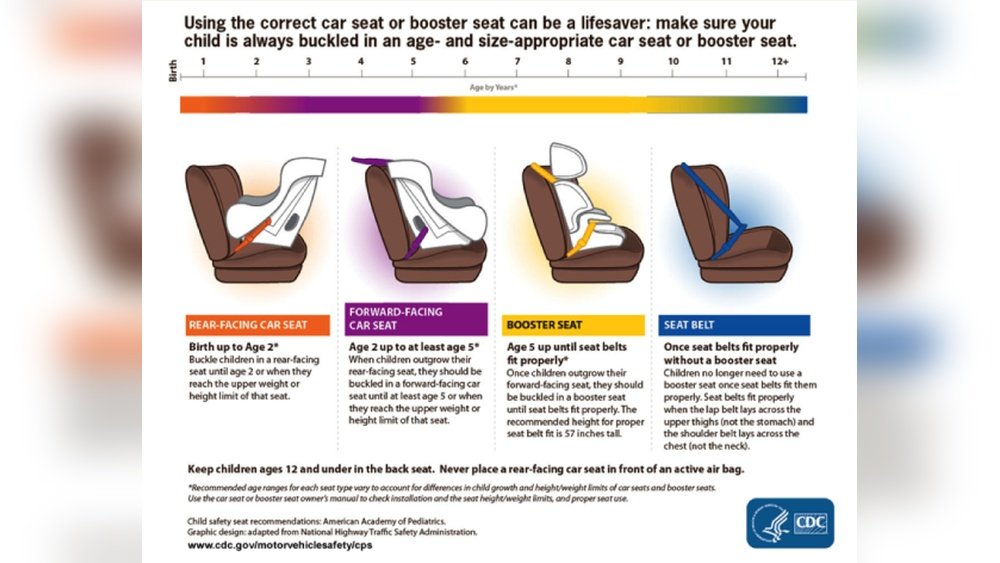
Children under 1 year old or weighing less than 20 pounds must use a rear-facing car seat. This seat type supports the head and neck in a crash. It must be installed in the back seat.
Toddler Car Seat Requirements
Children aged 1 to 3 years or weighing 20 to 40 pounds must use a forward-facing car seat. This seat has a harness to hold the child safely. It should stay in the back seat as well.
Booster Seat Requirements
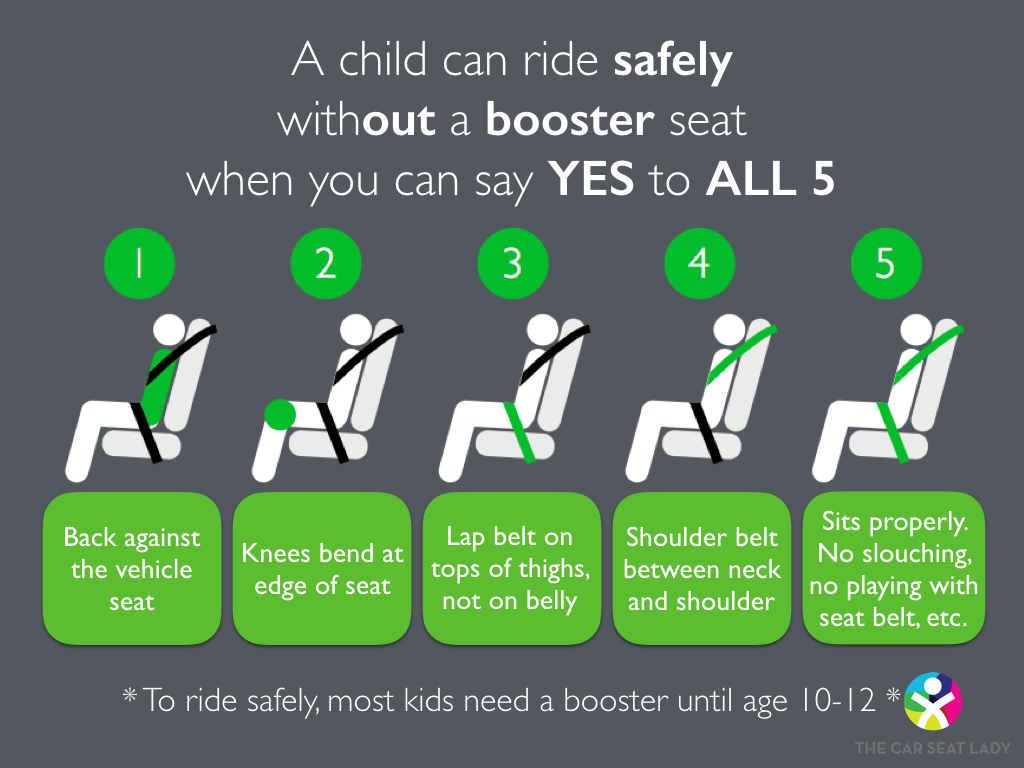
Children aged 4 to 5 years or weighing 40 to 80 pounds must use a booster seat. The booster helps position the seat belt correctly on the child’s body. It ensures the seat belt fits across the chest and lap, not the neck or stomach.
Seat Belt Requirements
Children aged 6 years and older who outgrow booster seats must use a seat belt. The seat belt must fit properly, lying flat on the shoulder and across the hips. All passengers under 18 must wear seat belts in Florida.

Credit: www.infinibandta.org
Age And Weight Guidelines
Florida car seat laws set clear age and weight rules to keep children safe. These guidelines help parents choose the right car seat for their child. Using the correct seat reduces injury risks during accidents.
Understanding these rules is essential. Florida law requires children to use different types of car seats based on their age and weight. The law also explains when children can switch to booster seats or seat belts.
Car Seat Requirements For Infants And Toddlers
Children under 2 years old must ride in a rear-facing car seat. This seat protects their head, neck, and spine in a crash. The car seat must fit the child’s weight and height limits. Most rear-facing seats support children up to 40 pounds.
Forward-facing Seat Guidelines
Once a child outgrows the rear-facing seat, usually after age 2, they must use a forward-facing car seat. This seat has a harness to secure the child. It fits children who weigh between 20 and 65 pounds. The child should remain in this seat until they reach the top weight or height limit.
Children who outgrow forward-facing seats must use a booster seat. Florida law requires booster seats for kids aged 4 to 5 years old who weigh between 40 and 80 pounds. Booster seats help position the seat belt correctly on the child’s body. Kids stay in booster seats until they can safely use a seat belt alone.
Seat Belt Use For Older Children
Children aged 6 and older may use the regular seat belt if it fits properly. The seat belt should lie across the upper thighs and shoulder. Children under 6 must remain in a booster or car seat. Proper fit is crucial for safety.
Booster Seat Rules
Booster seat rules in Florida protect children during car rides. These rules ensure kids use the right seat for their size and age. Booster seats help seat belts fit children correctly. Proper fit reduces injuries in crashes.
Florida law requires children to use booster seats until they reach a certain height or age. This law focuses on safety and comfort while traveling in vehicles.
Age And Height Requirements For Booster Seats
Children must use booster seats after outgrowing forward-facing car seats. Florida law requires booster seats for kids aged 4 to 5 years. Kids younger than 4 must use car seats with harnesses. Booster seats are necessary until children reach 57 inches tall.
Proper Use Of Booster Seats
Booster seats raise children to fit seat belts properly. The lap belt must sit low on the hips, not the stomach. The shoulder belt must cross the chest and shoulder, not the neck or face. Correct use prevents serious injuries in a crash.
Legal Penalties For Not Using Booster Seats
Drivers who fail to follow booster seat laws face fines. Law enforcement can issue tickets for non-compliance. These penalties encourage parents and guardians to keep children safe. Using booster seats is mandatory for child safety on the road.
Proper Installation Tips
Proper installation of car seats is critical to child safety in Florida. Correct placement and securing of the seat reduces injury risk during accidents. Parents and caregivers must follow clear, simple steps to ensure the seat works as intended.
Florida law requires all child safety seats to be installed according to the manufacturer’s instructions. Many seats come with detailed guides and videos to assist with installation. Taking time to read and understand these resources helps prevent mistakes.
Choosing The Right Seat Location
The safest spot for a car seat is the back seat, away from active airbags. The center of the back seat is best because it offers maximum protection on all sides. Avoid placing car seats in front seats unless the vehicle has no back seats.
Securing The Car Seat Properly
Use either the seat belt or the LATCH system to secure the car seat tightly. The seat should not move more than one inch side to side or front to back. A loose seat can increase the chance of injury in a crash.
Adjusting Harness Straps Correctly
Make sure the harness straps fit snugly against the child’s body. Straps should lie flat without twists and be at or below the child’s shoulders for rear-facing seats. For forward-facing seats, straps go at or above the shoulders.
Checking The Seat Angle
Keep the car seat at the proper recline angle to protect the child’s head and airway. Many seats have built-in angle indicators or adjusters. A seat that is too upright or too reclined may cause harm during sudden stops.
Regularly Inspecting The Installation
Check the car seat installation frequently, especially after long trips. Child seats can loosen over time or after heavy braking. Routine inspections ensure the seat remains secure and safe for every ride.
Penalties For Noncompliance
Florida has strict penalties for not following car seat laws. These rules protect children during travel. Not using the correct car seat can lead to fines and other consequences. The state takes child safety seriously to reduce injuries in crashes.
Fines For Violating Car Seat Laws
Drivers face fines for not using proper child restraints. The amount varies but often starts around $60. Each violation can add court fees, increasing the total cost. Repeat offenses may lead to higher fines. Paying the fine does not remove the risk to the child’s safety.
Legal Consequences Beyond Fines
Ignoring car seat laws can lead to more than just fines. Law enforcement may issue a citation during a traffic stop. In some cases, it can affect your driving record. Multiple violations might result in points on your license. Points can lead to license suspension if too many accumulate.
Impact On Insurance And Liability
Failure to use car seats properly may affect insurance claims. In an accident, insurance companies might reduce payouts. Liability can increase if a child is injured without proper restraints. This can lead to higher premiums or denial of claims. Proper use of car seats helps protect families financially.
Credit: www.infinibandta.org
Credit: www.infinibandta.org
Frequently Asked Questions
Does A 4 Year Old Need A Carseat In Florida?
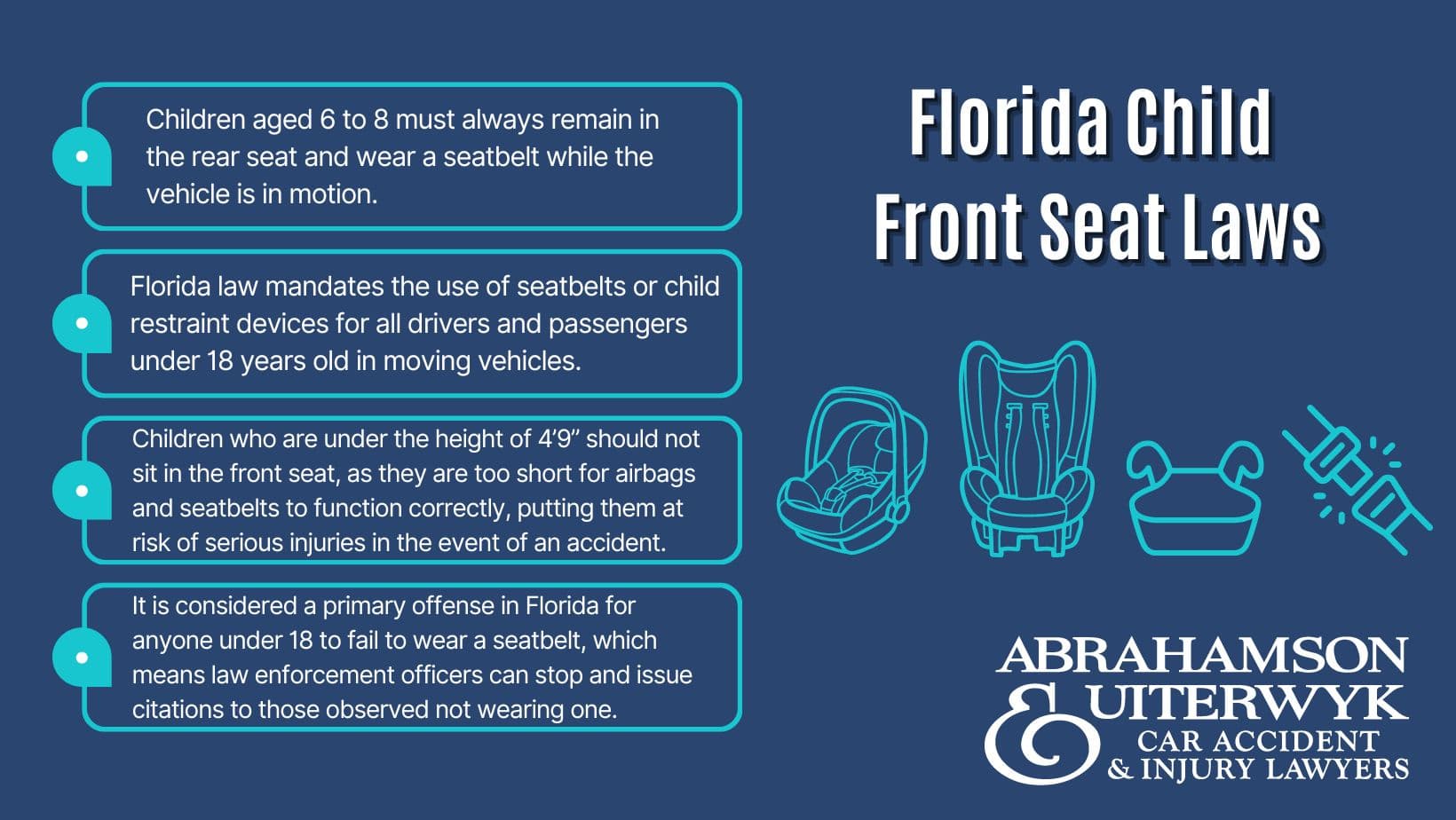
Florida law requires children aged 4 to 5 years and under 4 feet 9 inches tall to use a car seat, booster, or seat belt.
What Is The Age And Weight Requirement For A Booster Seat In Florida?
Florida requires children ages 4 to 5 and under 4 feet 9 inches tall to use a booster seat or appropriate child restraint.
What Is The New Booster Seat Law In Florida 2026?
Starting in 2026, Florida requires children under 8 to use booster seats unless they are 4’9″ or taller.
Can A 4 Year Old Ride In An Uber Without A Car Seat In Florida?
In Florida, a 4-year-old must use a car seat or booster if under 4 feet 9 inches tall. Riding without one is illegal.
What Are Florida’s Age Rules For Car Seat Use?
Children under 5 years must use a car seat or booster. Kids younger than 4 must be in a federally approved child restraint. This law helps protect young passengers on the road.
Conclusion
Understanding Florida’s car seat laws keeps children safer on the road. Always use the right seat for your child’s age, weight, and height. Follow the state’s rules to avoid fines and ensure protection. Regularly check for updates from Florida’s official safety websites.
Safe travels start with proper child restraints every time.

Ismail Hossain is the founder of Law Advised. He is an Divorce, Separation, marriage lawyer. Follow him.