Front Facing Car Seat Laws in Texas: Essential Safety Rules Uncovered
When it comes to keeping your child safe on the road, understanding Texas’s front facing car seat laws is essential. You might wonder exactly when it’s okay to turn your toddler from rear-facing to forward-facing or what rules you need to follow to stay compliant.
This isn’t just about following the law—it’s about protecting your little one every time you drive. You’ll get clear, easy-to-understand answers about Texas’s car seat requirements, what age and size your child needs to be, and how to make sure you’re doing the right thing for their safety.
Keep reading to make informed choices that keep your child secure and give you peace of mind on every trip.
Credit: ardmorerotary.org
Age And Weight Limits
Understanding age and weight limits for front-facing car seats in Texas is crucial. These rules help keep children safe during travel. Parents and caregivers must follow state guidelines to protect young passengers.
Minimum Age For Front-facing Car Seats
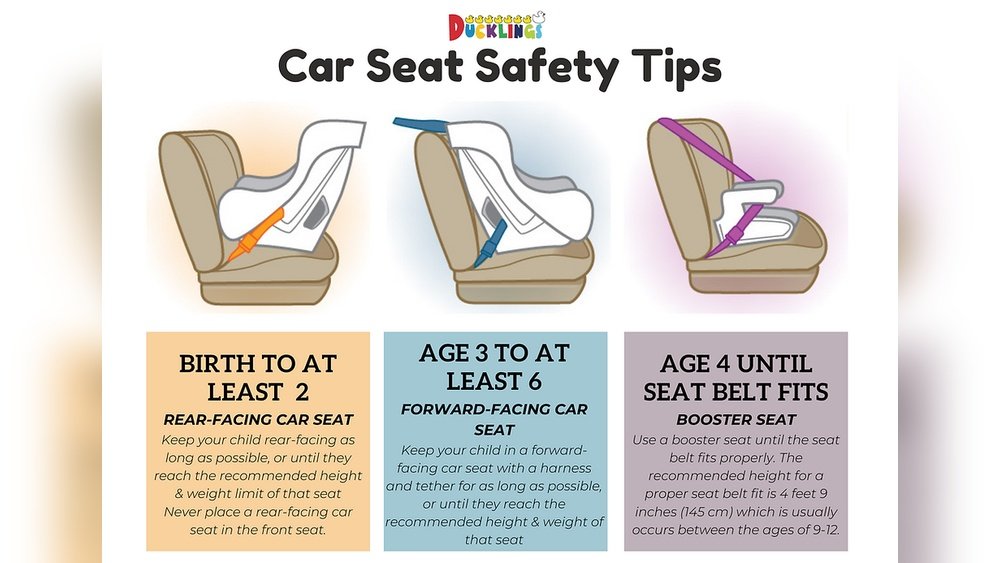
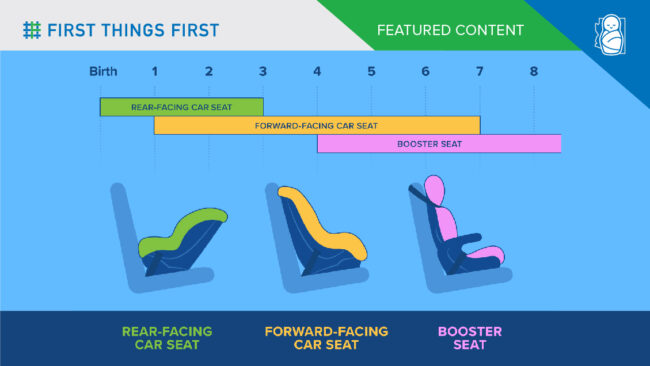
In Texas, children must ride rear-facing until at least 2 years old. After turning 2, they can switch to a front-facing car seat. This change occurs only when the child meets the rear-facing seat’s size limits.
Weight Limits For Front-facing Seats
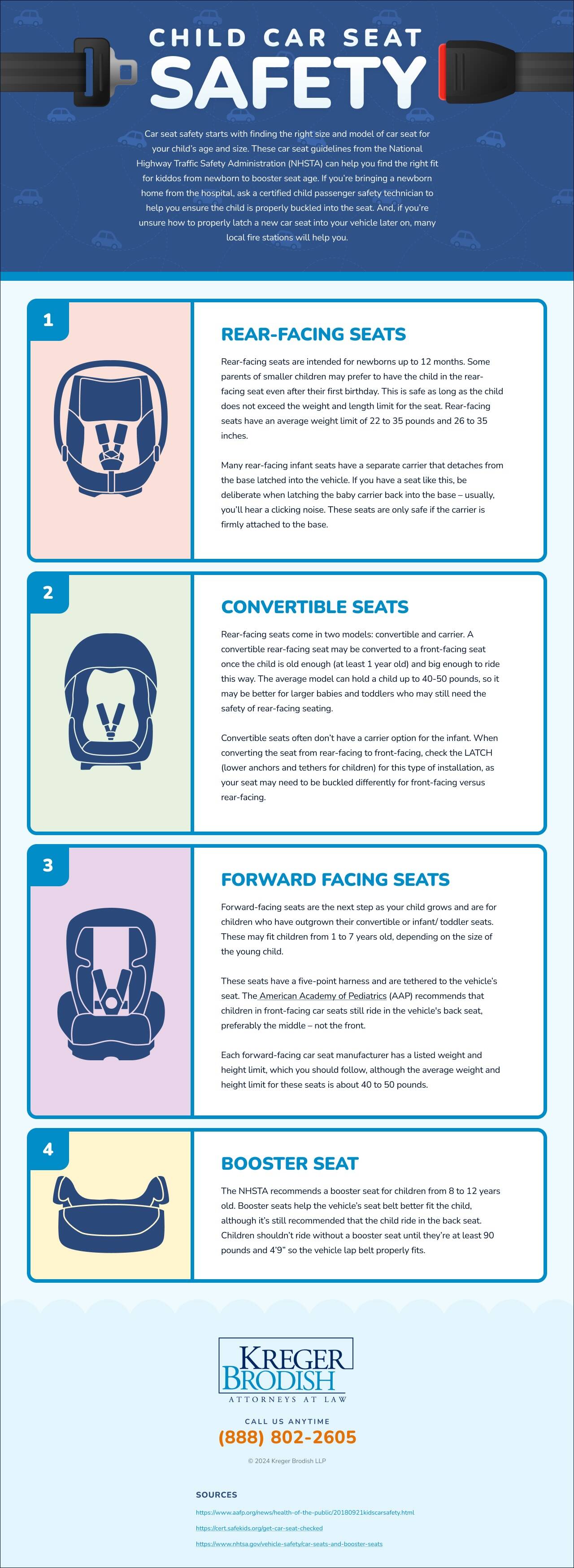
Children can use a forward-facing seat after outgrowing rear-facing limits. Most forward-facing seats support children weighing between 20 and 65 pounds. Always check the car seat label for exact weight limits.
Height And Size Considerations
Height also affects when to switch to a front-facing seat. Children must fit properly in the seat harness. The top of the child’s ears should be below the top of the seat.
Credit: www.infinibandta.org
Transitioning To Forward-facing
Transitioning your child from a rear-facing to a forward-facing car seat is an important step. Texas law guides parents on when to make this change for safety. It is crucial to follow weight and height limits set by the car seat manufacturer.
Children under two years old should remain rear-facing. This position offers the best protection for their developing neck and spine. Once they outgrow these limits, switching to a forward-facing seat becomes necessary.
Understanding Texas Forward-facing Car Seat Laws
In Texas, children older than two years who exceed rear-facing limits must use a forward-facing seat. The seat must have a harness system to secure the child properly. The law ensures children travel safely according to their size and age.
When To Transition Your Child
Transition after reaching the rear-facing seat’s weight or height limit. Most children switch between ages two to four. Always check your car seat label for specific limits. Keep your child rear-facing as long as possible within these guidelines.
Choosing The Right Forward-facing Car Seat
Select a seat that fits your child’s current size. Look for seats with a five-point harness for better safety. Install the seat tightly in your vehicle. Correct installation reduces injury risk during crashes.
Common Safety Tips For Forward-facing Seats
Secure the harness snugly on your child. Straps should lie flat without twists. The chest clip must be at armpit level. Regularly check the seat’s fit as your child grows. Replace the seat after any major accident.
Booster Seat Requirements
Booster seats are essential for children who have outgrown forward-facing car seats. Texas law sets clear requirements to keep children safe in vehicles. Using the right booster seat helps position the seat belt correctly on a child’s body. This reduces the risk of injury in a crash.
Parents and caregivers must follow these rules to comply with Texas regulations. Booster seats are designed for children who are too big for forward-facing seats but too small for regular seat belts. Proper use of booster seats increases safety for young passengers.
Age And Size Requirements For Booster Seats
In Texas, children must use booster seats until they reach 8 years old or are taller than 4 feet 9 inches. This height and age rule ensures the seat belt fits properly. If a child is under 8 but taller than 4 feet 9 inches, they may use a seat belt without a booster.
Weight And Height Limits
Booster seats are for children who have outgrown forward-facing seats by weight or height. Most booster seats support children between 40 and 100 pounds. The child’s height should be less than 57 inches to use a booster seat safely.
Positioning The Booster Seat
The booster seat must be placed in the back seat, if possible. The lap belt should lie low across the hips. The shoulder belt must cross the chest and shoulder, not the neck or face. Proper positioning helps prevent injury during sudden stops or crashes.
Texas Law Enforcement And Penalties
Texas law requires booster seats for children who meet the age and size criteria. Law enforcement officers can issue fines for violations. Following booster seat laws protects children and avoids legal trouble for adults.
Seat Placement Rules
Texas law requires children over two years old who exceed rear-facing limits to use forward-facing car seats. Proper seat placement and secure installation ensure child safety during travel. Always follow weight and height guidelines for safe forward-facing seat use.
Texas sets clear rules on where children must sit in vehicles. These rules help keep kids safe during every trip. Choosing the right seat and place reduces injury risks in accidents.
Parents must follow these seat placement guidelines for forward-facing car seats. The rules depend on the child’s age, size, and the car’s setup.
Age And Size Requirements For Forward-facing Seats
Children must stay rear-facing until at least age two. After that, they can use a forward-facing car seat. The child should also meet the seat’s height and weight limits. These limits appear on the car seat label.
Best Seat Position In The Vehicle
The safest place for any child is the back seat. Texas law does not force children to ride in a specific seat location. Still, experts recommend the back seat to protect kids from airbags and crashes.
Using Seat Belts With Forward-facing Seats
Forward-facing car seats use a five-point harness. This harness fits over the child’s shoulders and hips. It holds the child securely in place during travel. Seat belts alone are not safe for young children in forward-facing seats.
Transitioning To Booster Seats
After outgrowing the forward-facing seat, children must move to a booster seat. Booster seats help the vehicle’s seat belt fit correctly. This step happens when kids pass the height and weight limits of their forward-facing seat.
Penalties For Non-compliance
Texas takes child passenger safety seriously. The state enforces strict penalties for not following front facing car seat laws. These penalties help protect children by encouraging parents to comply with safety rules.
Violating these laws can lead to fines and other consequences. Understanding these penalties is important for every driver carrying young passengers.
Fines For Not Using A Front Facing Car Seat
Texas law requires children to use a front facing car seat after outgrowing rear facing limits. Drivers who fail to secure children properly face fines. The fine amount can vary but usually starts around $25. Fines may increase for repeated violations.
Impact On Driving Record
Violations of child car seat laws can affect your driving record. Tickets for non-compliance might add points to your license. Accumulating points can lead to higher insurance rates. Staying compliant helps avoid these issues.
Legal Consequences Beyond Fines
In some cases, failure to use a proper car seat can lead to more serious legal trouble. If a child is injured due to improper restraint, charges could include negligence. Child protective services may also get involved if safety rules are ignored regularly.
Enforcement By Law Officers
Police officers actively check for proper child restraints during traffic stops. They look for correct car seat use and positioning. Officers can issue citations immediately for violations. Cooperation during traffic stops can help resolve issues quickly.

Credit: www.limesacademy.com
Frequently Asked Questions
When Can I Turn My Child Forward-facing In Texas?
Texas law allows turning a child forward-facing after age two and when they outgrow rear-facing seat limits.
What Age Can A Child Face Forward In A Car Seat In Texas?
In Texas, children can face forward after age two and once they exceed rear-facing seat height or weight limits.
Can A 10 Year Old Sit In The Front Seat Of A Car In Texas?
Texas law does not specify an age for front seat riding. Ensure the child uses the proper car seat or booster for safety.
Can A 2 Year Old Be Forward-facing?
A 2-year-old can face forward only after outgrowing rear-facing height or weight limits. Texas law supports this transition.
Conclusion
Texas law sets clear rules for forward-facing car seats. Children over two must use a forward-facing seat once they outgrow rear-facing limits. Always follow the seat’s height and weight guidelines to keep kids safe. Using the right car seat reduces injury risks during travel.
Parents and caregivers should stay informed about updates in Texas car seat laws. Safety is the top priority every time children ride in a vehicle. Proper use of car seats protects young passengers on Texas roads.

Ismail Hossain is the founder of Law Advised. He is an Divorce, Separation, marriage lawyer. Follow him.