Abandoned Property Laws in Florida: What You Need to Know Today
Have you ever wondered what happens to a property in Florida when it’s left behind without any clear owner? Whether it’s a house, land, or even personal belongings, abandoned property can create confusion and legal challenges.
If you own property, are renting, or simply want to understand your rights, knowing Florida’s abandoned property laws is essential. This guide will walk you through the key rules, your responsibilities, and how you can protect your interests. Keep reading to discover how the law works and what steps you can take if you encounter abandoned property in Florida.
Abandonment Timeline In Florida
The abandonment timeline in Florida sets clear rules for landlords and tenants. It defines when a property or belongings are legally considered abandoned. Understanding this timeline helps landlords act correctly and protect their rights. It also informs tenants about their responsibilities.
Florida law outlines specific periods and conditions for abandonment. These rules prevent confusion and legal issues. The timeline focuses on how long a tenant is absent and what actions landlords must take.
How Long Before Property Is Considered Abandoned
In Florida, a property is usually considered abandoned if the tenant is absent for more than 15 days. The landlord must have a reasonable belief that the tenant left permanently. This means no rent payments and no contact from the tenant.
Before declaring abandonment, landlords must check for any signs of tenant intentions. They must also review the lease agreement for any special rules. A written notice is often required to confirm the tenant’s status.
Tenant Absence And Abandonment
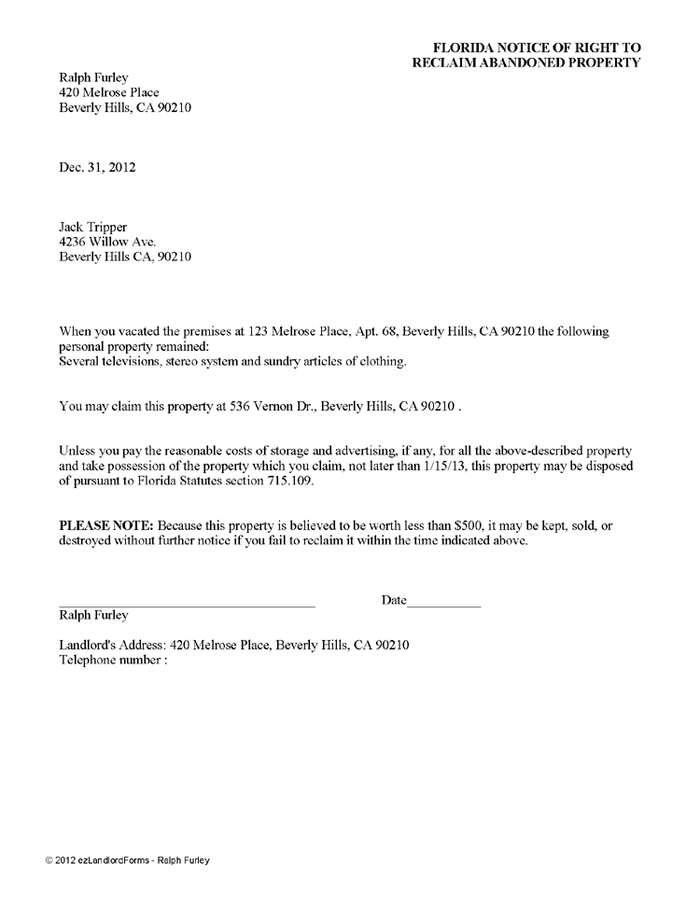
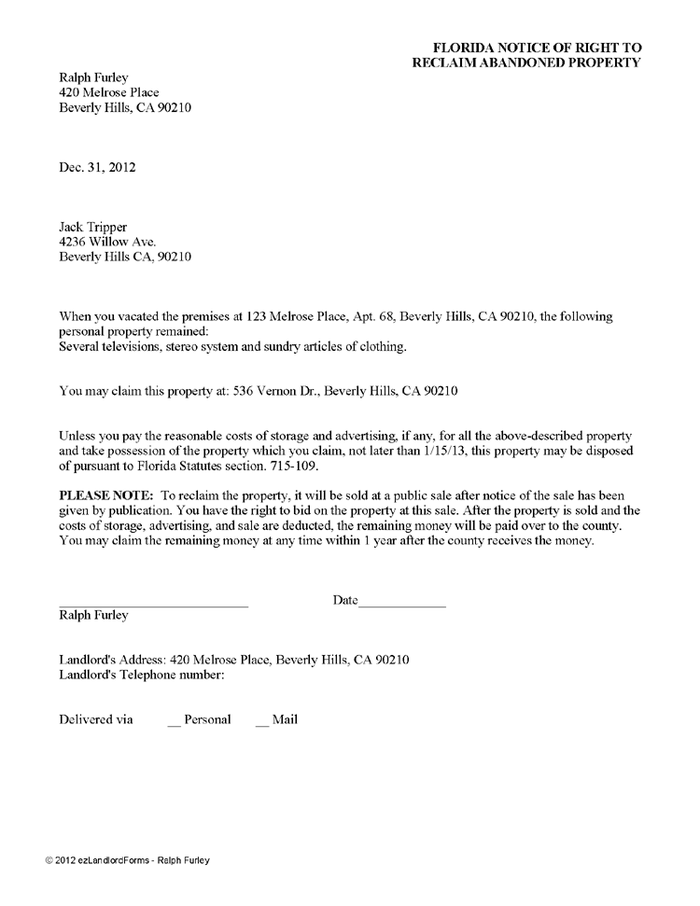
Tenant absence plays a key role in abandonment claims. Florida law requires landlords to send a Notice of Right to Reclaim Abandoned Property. This notice gives tenants 15 days to claim their belongings.
If the tenant does not respond or return, the landlord may remove and store the property. After the notice period ends, the landlord can dispose of or sell the items legally. This process protects both parties and avoids disputes.
Credit: www.ezlandlordforms.com
Landlord Responsibilities
Landlords in Florida have clear duties when a tenant leaves property behind. Understanding these duties helps landlords avoid legal trouble. They must follow rules about notifying tenants and handling belongings carefully. This protects tenant rights and ensures proper management of abandoned items.
Notice Requirements For Abandoned Property
Florida law requires landlords to send a written notice to tenants. This notice is called the Notice of Right to Reclaim Abandoned Property. It informs tenants their belongings remain on the property. The notice must include how tenants can claim their items. Landlords must send this notice within a set time after they believe the property is abandoned. It helps tenants act quickly if they want to retrieve their belongings.
Handling Tenant Belongings
Landlords must store tenant property safely after abandonment. They cannot throw away or sell items immediately. The law mandates keeping the belongings in a secure place for a specific period. This allows tenants to reclaim their possessions. If tenants do not claim their property within the given time, landlords may dispose of or sell the items following state rules. Proper handling prevents disputes and protects landlord rights.
Claiming Abandoned Property
Claiming abandoned property in Florida requires following specific legal steps. The process ensures rightful ownership is established fairly. Understanding the roles of involved parties helps claim the property properly. Local laws protect both finders and original owners.
Process For Taking Ownership
First, identify the property as abandoned under Florida law. The property must be unclaimed for a set period. Next, notify the previous owner if possible. This notification allows the owner a chance to reclaim their property.
If no claim is made, file a legal claim with the local authorities. This claim starts the formal process of ownership transfer. Sometimes, a court hearing may decide on the ownership. After approval, the property title or ownership rights transfer to the claimant.
Role Of Local Law Enforcement
Local law enforcement plays a key role in abandoned property cases. They receive reports of found or abandoned property. The agency holds the property safely during the claim period. They also attempt to locate the rightful owner.
If the owner is not found, law enforcement may auction or transfer the property. They follow strict rules to protect all parties involved. Their involvement ensures the process remains legal and transparent.
Florida’s Unclaimed Property Act
Florida’s Unclaimed Property Act protects owners of lost or forgotten assets. The law ensures these properties are reported and safely held by the state. It covers various types of intangible property. Owners or heirs can claim these assets anytime through an official state process.
Types Of Property Covered
The Act covers uncashed checks, dormant bank accounts, and utility deposits. It also includes stocks, bonds, insurance benefits, and safe deposit box contents. Property held by companies that remains unclaimed for a certain period falls under this law. These assets are considered “unclaimed” and must be reported to the state.
Reporting And Claiming Assets
Businesses must report and send unclaimed property to the Florida Division of Unclaimed Property. The state holds these assets indefinitely for rightful owners. Owners can search for their property through the Florida Treasure Hunt website. Claiming is free and requires submitting proof of ownership. The process is designed to return property quickly and securely.
Adverse Possession Rules
Adverse possession is a legal way to claim ownership of abandoned land or buildings in Florida. This rule allows a person to gain title to property if they occupy it openly and continuously for a set time. The law aims to encourage land use and clear up ownership issues.
Claiming Land Or Structures
To claim property through adverse possession, a person must take actual control of the land or building. They must treat it as their own, fixing or improving the property. The use must be visible and obvious to others, including the legal owner. Secret or hidden use will not qualify.
The claimant must also show that their possession is hostile, meaning without the owner’s permission. This does not mean anger, but rather a claim of ownership against the owner’s rights. Florida law requires the possessor to prove this hostile claim.
Requirements For Continuous Occupancy
Florida requires continuous occupancy for at least seven years to claim adverse possession. The possessor must live on or use the property without significant breaks. Short absences do not count, but long gaps may reset the clock.
During this time, the possessor should pay property taxes to strengthen their claim. Failure to do so can hurt the case. The law looks for clear, uninterrupted use to ensure the possessor has acted as the true owner.

Credit: ablawfl.com
Credit: www.ezlandlordforms.com
Frequently Asked Questions
How Long Before Belongings Are Considered Abandoned In Florida?
In Florida, belongings are considered abandoned if left unattended for more than 15 days after tenant vacancy. Landlords must notify tenants before disposal.
How To Take Ownership Of Abandoned Property In Florida?
To take ownership of abandoned property in Florida, meet adverse possession requirements: occupy continuously for 7 years, pay taxes, and file a claim. Consult a Florida attorney for specific legal guidance.
What Is The 50 Mile Rule In Florida?
The 50 mile rule in Florida requires landlords to store a tenant’s abandoned property within 50 miles of the rental unit. Landlords must notify tenants about their right to reclaim belongings. This rule helps ensure tenants can recover their possessions easily after moving out or eviction.
How Long Does A Tenant Have To Be Gone To Be Considered Abandoned?
A tenant is typically considered abandoned after 15 consecutive days of absence without rent payment or communication. Landlords must follow state laws and provide proper notice before reclaiming property.
How Long Before Property Is Legally Abandoned In Florida?
Property is usually considered abandoned after 15 days of tenant absence. Landlords must follow specific notice rules before claiming belongings. This timeline helps protect both landlords and tenants.
Conclusion
Abandoned property laws in Florida protect both owners and finders. Knowing the rules helps avoid legal trouble. Tenants and landlords must follow notice and storage requirements. The state holds unclaimed assets until claimed by rightful owners. Adverse possession offers a path to ownership but requires strict conditions.
Always check local laws or speak with a Florida attorney for guidance. Understanding these laws ensures you handle abandoned property correctly and fairly. Stay informed and act responsibly to protect your rights.

Ismail Hossain is the founder of Law Advised. He is an Divorce, Separation, marriage lawyer. Follow him.