Apartment Security Camera Laws in California: Essential Guide 2026
Are you living in an apartment in California and wondering what the rules are when it comes to security cameras? Whether you want to protect your home with your own camera or you’re concerned about your landlord’s surveillance, it’s crucial to know your rights—and where the law draws the line.
California has specific rules about where cameras can be placed, what they can record, and how your privacy is protected. This guide will help you understand the key apartment security camera laws in California, so you can keep your home safe without crossing legal boundaries.
Keep reading to learn exactly what you need to know to protect your privacy and your peace of mind.
California Camera Laws
California has clear rules about using security cameras in apartments. These laws protect privacy while allowing reasonable surveillance. Understanding these rules helps tenants and landlords stay legal and respectful.
Legal Limits On Surveillance
Cameras can record video in public areas but not inside private spaces. Tenants may install cameras inside their own apartment. Landlords must avoid placing cameras in areas where tenants expect privacy, such as bedrooms or bathrooms. Surveillance must not intrude on neighbors’ homes or private property.
Audio Recording Restrictions
California is a two-party consent state for audio recording. This means you cannot record sound without everyone’s permission. Recording conversations without consent is illegal and can lead to fines. Most security cameras should not capture audio unless all parties agree.
Public Vs Private Spaces
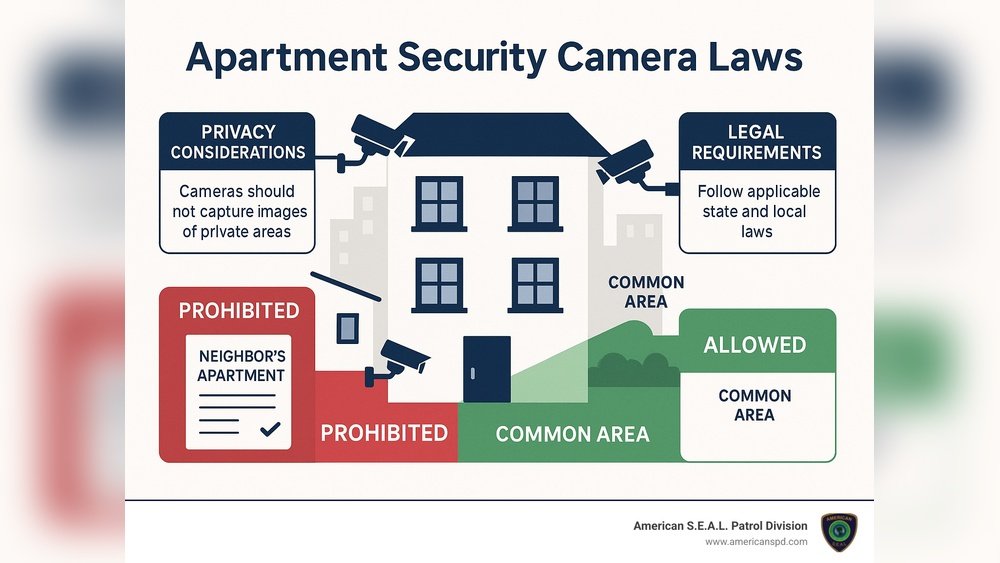
Public spaces include hallways, lobbies, and parking lots. Cameras are generally allowed here for safety reasons. Private spaces include inside apartments or fenced yards. Cameras cannot record these private areas without permission. Respecting these boundaries avoids legal trouble.

Credit: getsafeandsound.com
Tenant Security Rights
Tenants in California have specific rights regarding security cameras in their rental units. These rights protect their safety and privacy while allowing reasonable use of surveillance devices. Understanding these rules helps tenants make informed decisions about installing cameras and ensures landlords respect legal boundaries.
Installing Cameras Inside Units
Tenants may install security cameras inside their apartments. These cameras help monitor personal belongings and improve safety. The devices must not record audio without consent. Cameras cannot invade neighbors’ privacy or common areas. Tenants should avoid damaging the property when installing equipment.
Restrictions On Exterior Cameras
Cameras placed outside must focus on the tenant’s own unit or immediate entrance. Filming shared spaces or neighbors’ property is not allowed. Exterior cameras should not capture private areas like windows or balconies of other units. Tenants must check lease agreements for any extra rules on outdoor surveillance.
Protecting Personal Privacy
Privacy protection is a top priority in California security camera laws. Tenants and landlords cannot record private conversations without permission. Cameras must not be hidden or placed in bathrooms and bedrooms. Respect for personal space helps prevent legal issues and maintains trust among tenants and landlords.
Landlord Surveillance Rules
California law sets clear rules for landlords who want to use surveillance cameras. These rules protect tenant privacy while allowing landlords to keep common areas safe. Understanding these rules helps both landlords and tenants avoid legal problems. Below are the key landlord surveillance rules in California.
Allowed Camera Locations
Landlords can install cameras only in common areas. These include hallways, lobbies, parking lots, and building entrances. Cameras cannot be placed inside individual rental units. Landlords must avoid recording private spaces like bathrooms or bedrooms. Cameras should not face windows of tenant apartments or private yards.
Prohibited Monitoring Practices
Landlords cannot record audio without consent. Secret or hidden cameras inside rental units are illegal. Cameras cannot monitor tenants’ personal activities or invade their privacy. Surveillance must focus only on safety and property protection. Any use of cameras to harass or intimidate tenants is forbidden.
Notification Requirements
Landlords must inform tenants about surveillance cameras. Notice can be included in rental agreements or posted in common areas. The notice should explain where cameras are located and their purpose. Tenants have the right to know about any video monitoring on the property. Proper notification helps maintain trust and transparency.
Credit: www.americanspd.com
Handling Privacy Violations
Privacy violations involving security cameras can feel invasive and threatening. Tenants in California must know how to handle such situations effectively. Taking quick and clear action protects your rights and privacy.
Understanding how to respond to unauthorized surveillance helps stop privacy breaches. Tenants can follow a few simple steps to address violations legally and safely.
Documenting Unauthorized Surveillance
Start by carefully noting the camera’s location and angle. Take clear photos or videos showing the device and what it records. Keep a record of dates and times when you notice the camera. This documentation will support your case if you need to act.
Legal Steps For Tenants
Review California laws about apartment security cameras to understand your rights. Contact a tenant rights group or legal aid for advice. You may send a written notice to your landlord demanding camera removal or repositioning. Consider consulting a lawyer if the landlord ignores your requests or retaliates.
Reporting To Authorities
Report illegal surveillance to local law enforcement or the California Department of Consumer Affairs. Provide your documentation as evidence. Authorities can investigate and take action against unlawful cameras. Reporting helps protect your privacy and prevents future violations.
Future Trends And Updates
California’s apartment security camera laws continue to evolve as technology advances and privacy concerns grow. Staying updated on future trends helps tenants and landlords protect their rights. The legal landscape will see important changes affecting camera use and data protection.
New Legislation In 2026
California will introduce new rules on apartment surveillance starting in 2026. The laws aim to clarify where cameras can be placed and what areas are off-limits. These updates focus on protecting tenant privacy and preventing unauthorized recordings. Landlords must follow strict guidelines about camera use in shared and private spaces. Tenants will gain stronger rights to challenge illegal surveillance.
Technology Impact On Privacy
Advances in security camera technology bring new privacy challenges. Cameras now include facial recognition and audio recording features. These tools raise concerns about spying and data misuse. Lawmakers consider restrictions on these technologies in rental properties. Developers and landlords must ensure cameras do not invade tenant privacy. Increased transparency about camera capabilities will become required.
Advice For Tenants And Landlords
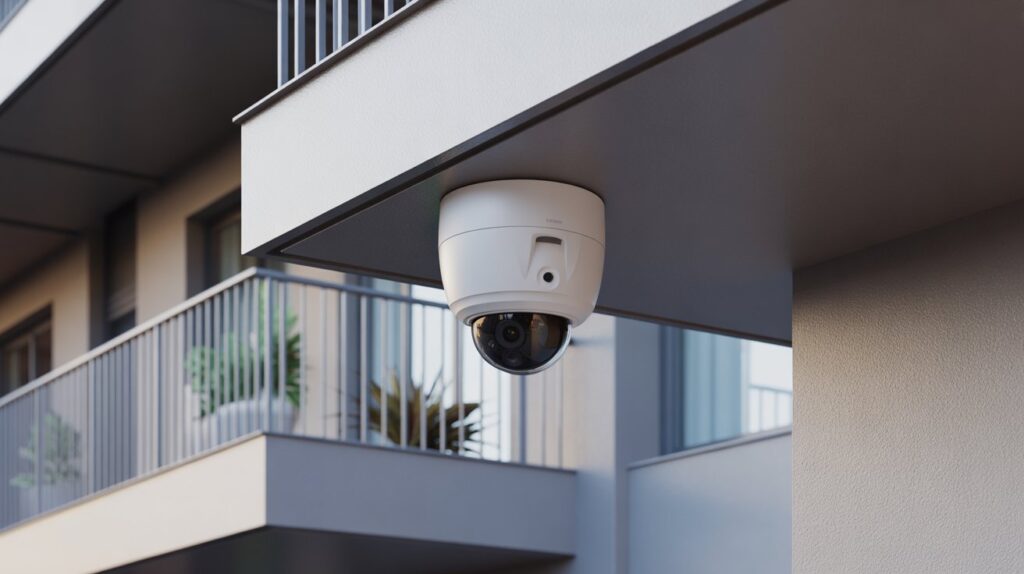
Tenants should review their lease agreements for camera policies. Always ask for written permission before installing any device outside your unit. Report any suspicious or hidden cameras to authorities immediately. Landlords need to update their surveillance policies according to new laws. Clear communication with tenants about security cameras prevents conflicts. Both parties should respect each other’s privacy rights to maintain trust.
Credit: crimtechhub.com
Frequently Asked Questions
Can My Security Camera Facing Neighbors Property?
Pointing a security camera at a neighbor’s property may violate privacy laws. Avoid recording private areas and audio without consent. Always check local regulations before installation.
Can You Have A Surveillance Camera In An Apartment Complex?
You can install surveillance cameras in apartment complexes, but avoid recording private areas or neighbors’ units. Audio recording requires consent. Cameras should only cover personal or common areas, complying with local laws to respect privacy and prevent legal issues.
What Are The New California Landlord Laws Taking Effect In 2026?
New California landlord laws in 2026 restrict surveillance inside rental units. Landlords cannot install hidden cameras or record audio without tenant consent. Cameras must avoid private areas and respect tenant privacy rights. These rules enhance tenant protection against unauthorized monitoring.
Can I Point My Security Camera At My Neighbors?
Pointing security cameras at neighbors’ private property may violate privacy laws. Focus cameras on your property only. Avoid recording private areas. Always respect local regulations and obtain consent if needed.
Can Landlords Legally Install Cameras In California Apartments?
Landlords can install cameras only in common areas like hallways or entrances. They cannot place cameras inside tenant units or private spaces. Recording audio without consent is also illegal.
Conclusion
Understanding California’s apartment security camera laws helps protect your privacy and rights. Tenants can use cameras inside or near their doors but must avoid spying on neighbors. Landlords cannot install hidden cameras in private areas without permission. Always check local rules before installing any device.
If you find illegal surveillance, document it and seek help. Staying informed keeps your home safe and respects everyone’s privacy.

Ismail Hossain is the founder of Law Advised. He is an Divorce, Separation, marriage lawyer. Follow him.