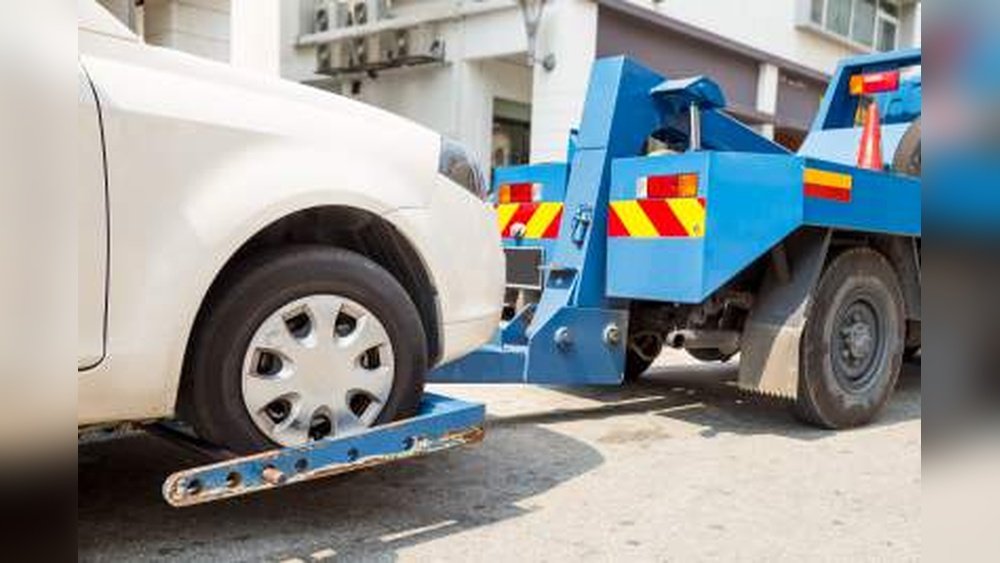
Car Repossession Laws in North Carolina: What You Need to Know
Have you ever worried about what happens if you miss a car payment in North Carolina? Understanding car repossession laws can protect you from surprises that could affect your credit and daily life.
This guide will help you know your rights, what lenders can and cannot do, and how to handle repossession if it happens to you. Keep reading to learn how to stay in control and avoid costly mistakes.
Credit: sasserbankruptcy.com
Repossession Process In North Carolina
The repossession process in North Carolina follows clear rules. These rules protect both lenders and car owners. Understanding these steps can help avoid surprises. It also helps car owners know their rights during repossession.
The process begins once a borrower misses payments. The lender can then take action to recover the vehicle. North Carolina law sets limits on how and when this can happen.
Legal Grounds For Repossession
Repossession happens when a borrower breaks the loan agreement. Missing monthly payments is the most common reason. The lender must prove the borrower failed to pay as agreed.
North Carolina does not require a court order before repossessing. Still, the lender must follow the law to avoid wrongful repossession claims. The vehicle must be collateral for the loan.
Self-help Repossession Rules
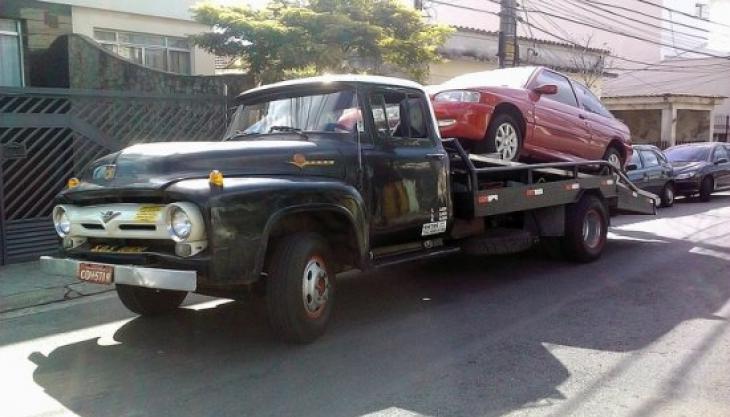
North Carolina allows self-help repossession. This means the lender can take the car without court help. The lender must not break the peace during repossession. No force or threats can be used.
The lender cannot enter private property without permission. They can only take the vehicle from public or accessible areas. The car owner must be treated fairly throughout the process.
Credit: www.billsbills.com
Borrower’s Rights During Repossession
Borrowers in North Carolina have specific rights during car repossession. These rights protect them from unfair practices by lenders or repossession agents. Understanding these rights can help borrowers handle repossession more confidently and avoid common mistakes.
Right To Redeem The Vehicle
Borrowers can pay off the full loan balance to get their car back. This is called the right to redeem the vehicle. It stops the lender from selling the car immediately after repossession. Borrowers must act quickly to use this right. Paying the total amount owed, including fees, can reclaim the vehicle.
Notification Requirements
Lenders must follow strict rules to notify borrowers after repossession. They must send a written notice within a reasonable time. The notice includes information about the sale date and the amount owed. This helps borrowers understand their options. It also ensures lenders cannot sell the car without informing the borrower.
Lender’s Obligations After Repossession
After a car is repossessed in North Carolina, lenders must follow specific rules. These rules protect borrowers and ensure fairness in the process. The lender has duties to handle the vehicle properly and manage the financial aspects carefully. Understanding these obligations helps borrowers know their rights and what to expect next.
Sale Of Repossessed Vehicle
The lender must sell the repossessed car in a reasonable time. They cannot keep the vehicle for too long. The sale must be fair and open to the public or by private sale with fair terms. The lender must try to get the best price possible. This price should reflect the car’s true market value. Selling below market value without good reason is not allowed.
Accounting For Sale Proceeds
After selling the vehicle, the lender must account for the money received. They must pay off the loan balance with the sale proceeds first. Any extra money belongs to the borrower. If the sale does not cover the full loan amount, the borrower may owe the difference. The lender must provide a clear statement showing these details. This statement helps avoid confusion and disputes.

Credit: www.suethecollector.com
Deficiency Balance And Debt Collection
After a car repossession in North Carolina, you might still owe money. This amount is called the deficiency balance. It happens when the car sells for less than what you owe. The lender can try to collect this remaining debt from you.
Understanding how the deficiency balance works is important. It helps you know your rights and what to expect next. Debt collection can involve several legal steps. Knowing these steps can reduce stress and confusion.
Calculating Deficiency
The deficiency balance equals what you owe minus the car’s sale price. For example, if you owe $10,000 and the car sells for $7,000, the deficiency is $3,000. This is the amount the lender wants to collect from you.
North Carolina law requires the lender to sell the car in a reasonable way. The sale price must reflect the car’s fair market value. If the sale is too low, the lender might not get a fair deficiency balance.
Legal Actions For Debt Recovery
If you do not pay the deficiency balance, the lender can take legal action. They may file a lawsuit to recover the money. If the court agrees, it can order you to pay the debt.
The lender can also report the debt to credit agencies. This may affect your credit score. It is important to communicate with the lender to avoid or reduce debt problems.
Avoiding Car Repossession
Car repossession can create serious problems for drivers in North Carolina. Missing loan payments often lead to lenders reclaiming the vehicle. Avoiding repossession protects your credit and keeps your car. Taking quick action is key to stopping repossession before it happens.
Negotiating With Lenders
Talking directly with your lender helps find solutions. Explain your financial troubles honestly and clearly. Lenders may agree to delay payments or reduce the amount due. A payment plan can make catching up easier. Don’t ignore calls or letters from your lender. Early communication shows responsibility and willingness to pay.
Alternative Payment Options
Look for payment methods that fit your budget. Some lenders accept partial payments or offer loan modifications. Refinancing the loan might lower monthly payments. Local charities or government programs sometimes assist with car payments. Use these options to avoid falling behind. Staying current on payments prevents repossession and extra fees.
Impact Of Repossession On Credit
Car repossession can hurt your credit in North Carolina. It shows lenders you missed payments. This makes borrowing money harder and more expensive. Your credit report will have a record of the repossession for up to seven years. This negative mark lowers your credit score and stays there even after you pay the debt.
Having a repossession on your credit report can affect your ability to get loans, credit cards, or even rent an apartment. It signals financial trouble, which makes lenders cautious. You may face higher interest rates or be denied credit altogether. Understanding the impact helps you prepare and take steps to improve your credit afterward.
Credit Score Effects
A repossession can drop your credit score by 100 points or more. The exact drop depends on your credit history. A lower score means higher loan costs and fewer credit offers. The repossession stays on your credit report for seven years. Even after paying, the record remains as a warning to lenders. This makes recovering your credit score a slow process.
Steps To Rebuild Credit
Start by paying off any remaining debt from the repossession. Next, check your credit report for errors and dispute them. Make all future payments on time to build positive history. Consider a secured credit card to help rebuild credit. Keep your credit use low and avoid new debt. Over time, your credit score will improve, opening new financial doors.
Frequently Asked Questions
What Rights Do North Carolina Car Owners Have During Repossession?
Car owners must be notified before repossession. The lender cannot break into your home. You can get your car back by paying what you owe.
Can A Lender Repossess A Car Without Notice In North Carolina?
No, lenders must give you a chance to catch up on payments. They usually send a written notice first. Repossession without notice is rare and often illegal.
How Can I Stop My Car From Being Repossessed In North Carolina?
You can stop repossession by paying the overdue amount quickly. Talking to your lender about a payment plan helps. Legal help may be available if you face unfair repossession.
What Happens After My Car Is Repossessed In North Carolina?
The lender will sell your car to recover money. You may owe the difference if the sale doesn’t cover your loan. You have rights to get a detailed sale report.
Conclusion
Understanding car repossession laws in North Carolina helps protect your rights. The state requires lenders to follow specific rules before taking your vehicle. You have options to respond if your car is repossessed. Knowing the law can reduce stress during this tough time.
Stay informed and act quickly to avoid bigger problems. Remember, legal advice can help if you face repossession issues. Stay calm and use your knowledge wisely.

Ismail Hossain is the founder of Law Advised. He is an Divorce, Separation, marriage lawyer. Follow him.