Drinking Laws in Wisconsin for Minors: What You Must Know Today
If you live in Wisconsin or are just passing through, knowing the state’s drinking laws for minors is crucial. You might think all states have the same rules about underage drinking, but Wisconsin has some unique regulations that could surprise you.
Whether you’re a teen, a parent, or someone who works around alcohol, understanding these laws can protect you from serious trouble. Want to know when and where minors can legally drink, what exceptions exist, and the penalties for breaking the rules?
Keep reading—this guide breaks down everything you need to know in simple terms so you stay informed and safe.
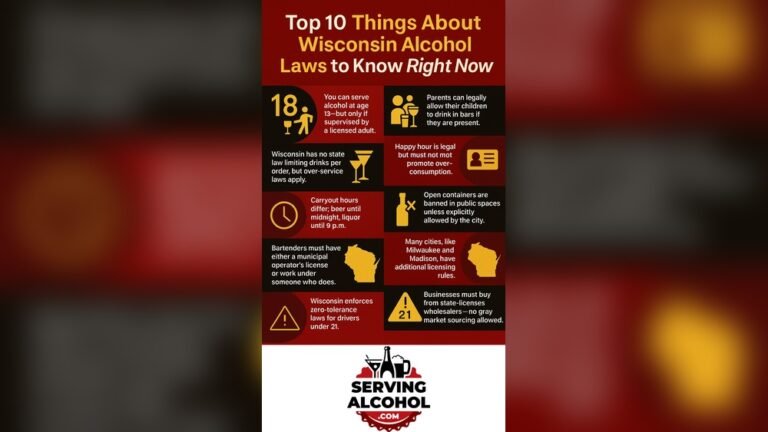
Credit: servingalcohol.com
Legal Drinking Age In Wisconsin
Understanding the legal drinking age in Wisconsin is important. The state has clear rules about alcohol use by minors. These laws aim to protect young people and promote safety. Knowing the age limits and exceptions helps avoid legal trouble.
Wisconsin sets specific ages for alcohol consumption. Some exceptions allow minors to consume alcohol under certain conditions. Parental consent also plays a role in these laws.
Minimum Age For Alcohol Consumption
The minimum legal age to drink alcohol in Wisconsin is 21. This rule applies to buying, possessing, or consuming alcohol. Anyone under 21 caught drinking faces penalties. The law supports public health and safety.
Exceptions For Minors
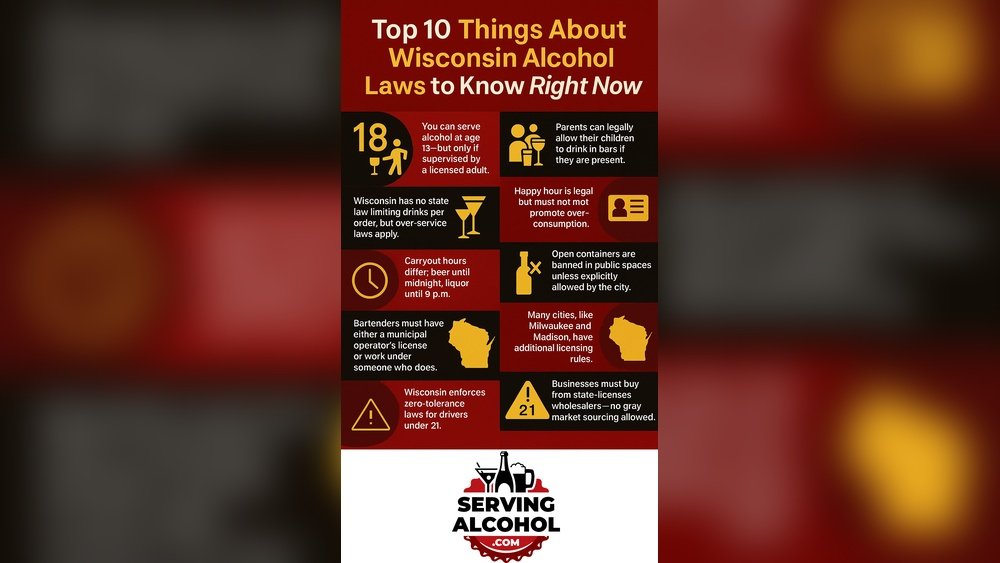
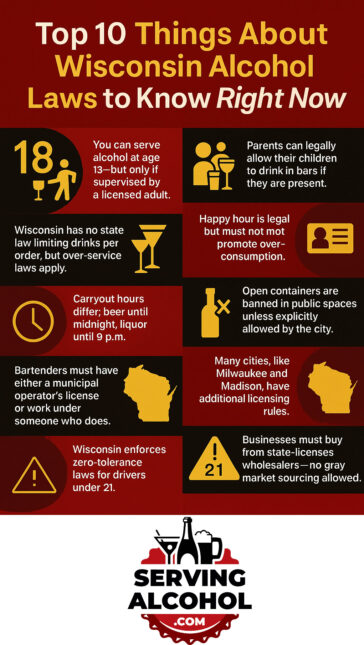
Wisconsin allows some exceptions for minors drinking alcohol. Minors may consume alcohol in private settings with family members present. Religious ceremonies also permit minors to drink alcohol. These exceptions are limited and specific.
Parental Consent Rules
Parents or legal guardians can give permission for minors to drink alcohol. This usually happens in a private home. The adult must be present and supervise the consumption. These rules do not allow drinking in public places.

Credit: www.gettips.com
Possession And Consumption Laws
Wisconsin has clear rules about minors and alcohol. These laws focus on where minors can have alcohol and what they can do with it. The state aims to control underage drinking strictly. Understanding these laws helps avoid trouble and stay safe.
Where Minors Can Consume Alcohol
Minors generally cannot drink alcohol in public places. Exceptions exist for private homes under parental supervision. Some religious ceremonies also allow alcohol consumption by minors. Bars and restaurants do not permit minors to drink. These rules help limit underage drinking in public settings.
Possession Restrictions
Minors cannot legally carry or possess alcohol in most cases. Exceptions apply if a parent or guardian provides the alcohol. The alcohol must be consumed in a private place in such cases. Possession of alcohol without permission is illegal. These restrictions aim to reduce alcohol abuse among youth.
Penalties For Violations
Breaking alcohol laws can lead to fines or community service. Repeat offenses may result in more severe penalties. Some violations can affect a minor’s driver’s license. Law enforcement takes these offenses seriously. Penalties serve to discourage underage drinking and possession.
Underage Drinking In Bars And Restaurants
Underage drinking in bars and restaurants in Wisconsin is tightly regulated. The state sets clear rules to prevent minors from consuming alcohol in licensed places. These laws protect young people and help businesses operate responsibly.
Licensed establishments include bars, restaurants, and clubs that serve alcoholic drinks. Minors may be allowed in some venues but with strict restrictions. Understanding these rules is important for both patrons and owners.
Rules For Minors In Licensed Establishments
Minors under 21 cannot legally buy or drink alcohol in bars or restaurants. Some exceptions apply, such as if the minor is with a parent or guardian. However, these situations are rare and specific.
Minors may enter certain licensed places during specific hours. They must not consume alcohol or have open containers. Staff must check IDs to prevent underage drinking inside the venue.
Serving Alcohol To Minors
Serving alcohol to anyone under 21 is illegal in Wisconsin. This includes giving drinks directly or allowing minors to share drinks. Violators face fines and possible criminal charges.
Staff must verify age using valid identification. Fake IDs or false information can lead to penalties for both the server and the establishment. Vigilance is key to stopping underage drinking.
Responsibilities Of Establishment Owners
Owners must train employees to follow all alcohol laws carefully. They must create policies to check IDs and refuse service to minors. Regular staff training reduces the risk of legal problems.
Establishments can lose their liquor license if they repeatedly serve minors. Owners must monitor their premises and enforce the rules strictly. Protecting minors supports safe and lawful business operations.
Social Host Liability
Social host liability in Wisconsin holds adults responsible for providing alcohol to minors. This law aims to prevent underage drinking and its dangers. Hosts must understand their role in keeping events safe and legal. Failure to comply can lead to serious consequences.
Hosting Underage Drinking Events
Adults who host parties where minors drink alcohol face legal risks. It does not matter if the drinking is allowed or hidden. Providing a place or alcohol to minors is against the law. Even if the host does not supply the alcohol, allowing underage drinking can cause liability.
Legal Consequences For Hosts
Wisconsin law punishes adults who let minors drink on their property. Penalties include fines and possible jail time. Courts may also order community service or alcohol education classes. Hosts may be responsible for damages caused by intoxicated minors. The law aims to reduce accidents and injuries linked to underage drinking.
Preventive Measures
To avoid liability, hosts should strictly monitor alcohol use at events. Only serve alcohol to guests 21 and older. Make sure no minors bring or consume alcohol on the premises. Inform guests about the rules clearly before the event. Consider hiring professional security for larger parties. Taking these steps helps keep everyone safe and within the law.
Retail Sale And Distribution Laws
Wisconsin has strict rules on the retail sale and distribution of alcohol. These laws aim to stop minors from getting alcohol illegally. Retailers must follow clear steps to sell alcohol legally. Understanding these rules helps keep communities safe and businesses compliant.
Age Verification Requirements
Retailers must check ID before selling alcohol. Only valid government-issued IDs are accepted. The buyer must be at least 21 years old. Sellers should use tools to verify age accurately. Failure to check ID can lead to serious trouble.
Penalties For Illegal Sales
Selling alcohol to minors is against the law. Penalties include fines and possible license suspension. Repeat offenses cause harsher punishments. Retailers risk losing their right to sell alcohol. The law takes illegal sales very seriously.
Compliance Tips For Retailers
Train staff regularly on age verification rules. Use electronic ID scanners to reduce errors. Display signs reminding customers of age laws. Keep records of staff training and incidents. Stay updated on any changes in alcohol laws.
State Vs Local Regulations
Wisconsin sets the main rules for drinking age and alcohol use. These state laws apply everywhere in Wisconsin. Local governments can make their own rules too. These local rules must follow state laws but can add stricter limits. This section explains how state and local rules work together. It also shows how local laws can affect minors differently in various areas.
Variations In Local Ordinances
Local areas can create their own laws about alcohol. These laws often focus on public drinking or sales near schools. Some places may ban alcohol at parks or public events. Others might limit where alcohol can be sold or served. These local rules can vary a lot from city to city. They reflect the community’s values and safety concerns.
Impact On Minors’ Drinking Laws
State law sets the drinking age at 21 for all Wisconsin. Local laws can add more rules about minors and alcohol. For example, some towns may ban minors from entering bars entirely. Others might have stricter penalties for providing alcohol to minors. These extra rules help protect young people in those communities. Minors must follow both state and local rules.
Examples Of Local Restrictions
Some Wisconsin cities ban alcohol sales after certain hours. Others do not allow alcohol near schools or churches. A few places require special licenses for alcohol sales at events. Some communities have curfews for minors in places that serve alcohol. These rules aim to reduce underage drinking and related problems.
Common Myths About Wisconsin Drinking Laws
Many people misunderstand Wisconsin’s drinking laws for minors. These myths cause confusion and risky behavior. Knowing the truth helps everyone stay safe and follow the law.
Myth: Minors Can Drink Anywhere With Parents
Some believe minors can drink alcohol anywhere if parents allow it. This is false. Wisconsin law allows minors to drink only in private settings with parental permission. Public places like bars, restaurants, or parks are off-limits for underage drinking, even with parents.
Myth: No Penalties For First Offense
Many think there are no consequences for a first offense of underage drinking. This is wrong. Wisconsin imposes penalties for all underage drinking offenses. These can include fines, community service, or license suspension. The law aims to discourage any illegal drinking by minors.
Clarifying Legal Facts
Wisconsin’s drinking laws focus on safety and responsibility. Minors may drink only in specific private settings with parental consent. Selling or giving alcohol to minors is illegal and punished strictly. Penalties apply to all offenses, not just repeated ones. Understanding these facts helps avoid legal trouble and protects young people.

Credit: www.gettips.com
Consequences Of Underage Drinking
Underage drinking in Wisconsin carries serious consequences. These consequences affect minors legally and personally. Knowing what can happen helps prevent risky behavior.
Legal issues, loss of driving privileges, and health risks are common outcomes. The state enforces these rules strictly to protect young people and the community.
Legal Penalties
Minors caught drinking face fines and possible jail time. Law enforcement may issue citations for possession or consumption. Repeat offenses lead to harsher penalties. Courts may require community service or alcohol education programs. These legal actions aim to discourage underage drinking.
Impact On Driving Privileges
Underage drinking often results in driver’s license suspension. Even a single violation can delay obtaining a license. Current license holders may lose their driving privileges temporarily. This punishment affects mobility and daily activities. The state prioritizes safety by limiting driving for offenders.
Long-term Effects
Early alcohol use can harm brain development. It increases the risk of addiction later in life. School performance and social relationships may suffer. Health problems such as liver damage can start young. These effects can influence a person’s future well-being and success.
Frequently Asked Questions
What Is The Legal Drinking Age In Wisconsin?
The legal drinking age in Wisconsin is 21 years old. Minors under 21 are generally prohibited from purchasing or possessing alcohol.
Can Minors Drink Alcohol With Parental Consent In Wisconsin?
Yes, minors may consume alcohol in Wisconsin if they are with a parent or legal guardian. This exception applies mainly in private settings.
Are Minors Allowed In Wisconsin Bars Or Alcohol-serving Venues?
Minors may be present in bars or restaurants that serve alcohol only under specific conditions, such as being accompanied by a parent or guardian.
What Are The Penalties For Minors Caught Drinking In Wisconsin?
Penalties include fines, community service, and possible suspension of driving privileges. The severity depends on the situation and repeat offenses.
Conclusion
Understanding Wisconsin’s drinking laws for minors helps keep everyone safe. Minors face strict rules about buying and drinking alcohol. Parents or guardians may allow limited exceptions in private settings. Breaking these laws can lead to serious penalties. Knowing the rules prevents trouble and protects young people.
Always follow state laws and local regulations carefully. Staying informed helps create a responsible and safe community.

Ismail Hossain is the founder of Law Advised. He is an Divorce, Separation, marriage lawyer. Follow him.