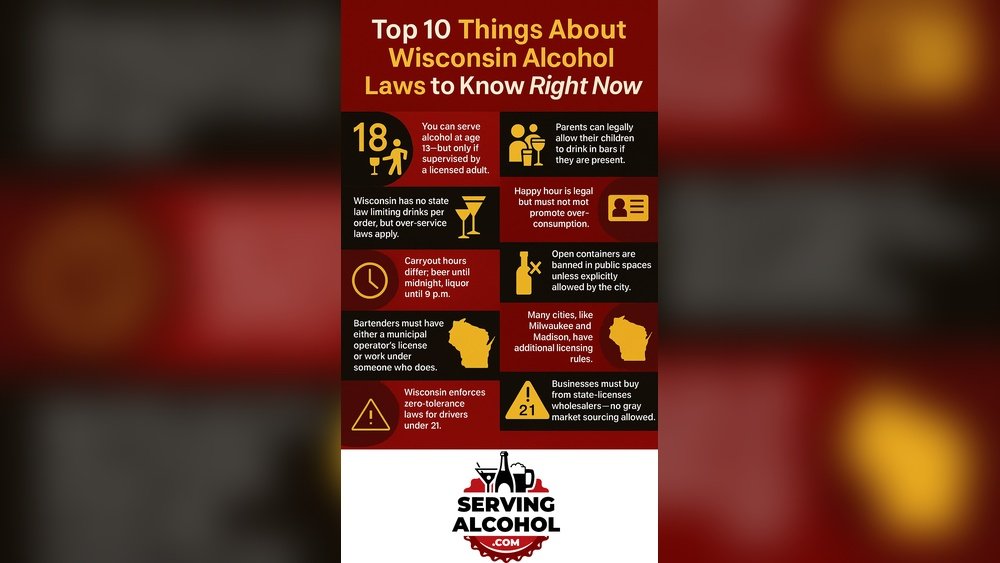
Drinking Laws in Wisconsin With Parents: What You Must Know
Are you curious about whether your child can legally drink alcohol with you in Wisconsin? Understanding the drinking laws when it comes to minors and parental supervision can be confusing.
You might wonder if it’s actually allowed for a parent to give their underage child a drink at home or in a restaurant. Knowing the exact rules can help you avoid fines, legal trouble, or misunderstandings. You’ll discover what Wisconsin law says about drinking with parents, where it’s allowed, and what “accompanied by a parent” truly means.
Keep reading to get clear, straightforward answers that will help you navigate these laws confidently.
Legal Drinking Age
The legal drinking age in Wisconsin is designed to protect young people from the risks of alcohol. The law sets clear rules on who can drink and under what conditions. Understanding these rules helps families stay safe and avoid legal trouble.
Minimum Age Requirements
In Wisconsin, the minimum legal age to buy or drink alcohol is 21 years old. No one under 21 may purchase or publicly consume alcoholic beverages. This rule applies in all public places, including bars and restaurants. The law aims to reduce accidents and health issues caused by early drinking.
Exceptions For Minors
There are some exceptions allowing minors to drink alcohol legally. A minor may consume alcohol if directly supervised by a parent, guardian, or spouse who is at least 21. The adult must be in the same room and watch the minor closely. This rule is strict and only applies in private settings, not in public venues.

Credit: www.reddit.com
Parental Supervision Rules
In Wisconsin, parents can allow their children to drink alcohol under specific rules. These rules focus on parental supervision. Understanding these rules helps keep families within the law. It also promotes responsible behavior around alcohol. The laws clearly define what “accompanied” means and where supervision must occur. This section explains these important points.
Definition Of Accompanied
“Accompanied” means the parent or guardian must be with the minor. They must be in the same room. The adult must watch the child while they drink. This direct supervision is required by law. Simply being nearby is not enough. The parent needs to be actively supervising the child’s drinking. This rule helps prevent unsafe drinking habits.
Location And Supervision Requirements
The law states that drinking must happen in a private place. Usually, this means inside a home or private property. Public places like bars or restaurants have stricter rules. The parent or guardian must remain present the whole time. They must watch the child carefully. Leaving the child alone while drinking is illegal. These rules ensure that alcohol use is controlled and safe.
Alcohol Consumption Locations
Understanding where alcohol can be consumed legally with parents in Wisconsin is important. The law allows some exceptions for minors drinking under parental supervision. These rules change based on the location of consumption. Knowing these places helps families avoid legal trouble while staying safe.
At Home
Wisconsin law permits minors to drink alcohol at home if their parents or guardians are present. The adult must be in the same room and watch the minor closely. This rule allows parents to teach responsible drinking habits. Drinking at home with parents is the safest and most controlled setting.
Bars And Restaurants
Minors can enter bars or restaurants with their parents, but rules vary. Some places allow underage drinking if the parent is present and approves. The parent must supervise and stay close by. Not all establishments permit this, so it is wise to check local policies first. The focus is on responsible supervision.
Public Places
Drinking alcohol in public places is mostly prohibited for minors, even with parents. Parks, streets, and other open spaces usually ban underage alcohol use. Parents cannot legally give alcohol to minors in these settings. Following public drinking laws helps avoid fines and legal issues for families.

Credit: www.gettips.com
Possession And Purchase Laws
Understanding possession and purchase laws in Wisconsin is important for parents and minors. These laws set clear rules on who can hold and buy alcohol. Knowing these rules helps avoid legal trouble and promotes safe drinking habits.
Underage Possession
In Wisconsin, people under 21 cannot legally possess alcohol. This rule applies even if the minor is not drinking. Police can take action if they find alcohol with someone underage. There are few exceptions to this law, but they are strict.
Possessing alcohol in public places or vehicles is illegal for minors. The law aims to reduce risks related to underage drinking. Consequences include fines and possible court appearances.
Parental Provision Of Alcohol
Parents may provide alcohol to their children in private homes. This is allowed under certain conditions. The parent must be present and supervising the minor at all times.
Supplying alcohol in public places or bars is not legal. The law requires parents to ensure safe consumption. This rule helps parents control the amount and situation of drinking.
Parents should know they can face charges if the alcohol leads to harm. Safe and responsible use is crucial for family gatherings.
Penalties For Violations
Violating Wisconsin’s drinking laws, even with parental supervision, carries serious penalties. The state enforces these rules strictly to protect minors and public safety. Consequences vary depending on the offense but often include fines, legal troubles, and impacts on driving privileges. Understanding these penalties helps families avoid costly mistakes and legal problems.
Fines And Legal Consequences
Penalties for underage drinking with parents include fines that can reach several hundred dollars. Courts may also impose community service or require attendance at alcohol education programs. Repeat offenses lead to harsher punishments, including possible jail time. Legal records from violations can affect future opportunities, such as college admissions or job applications.
Impact On Driving Privileges
Wisconsin suspends or restricts driving licenses for underage drinking offenses. The length of suspension depends on the severity and number of violations. Losing driving privileges affects daily life, including commuting to school or work. Courts may also require substance abuse assessments before restoring driving rights. Protecting driving privileges means adhering strictly to the laws.
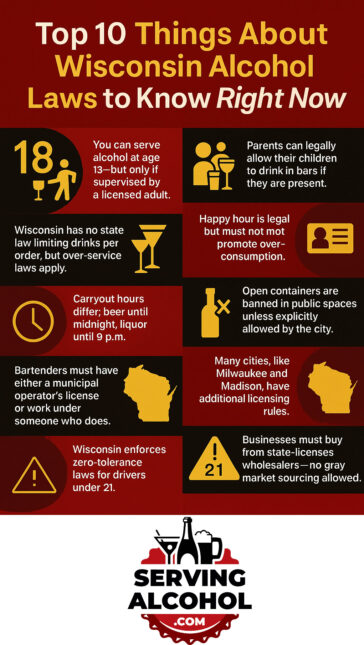
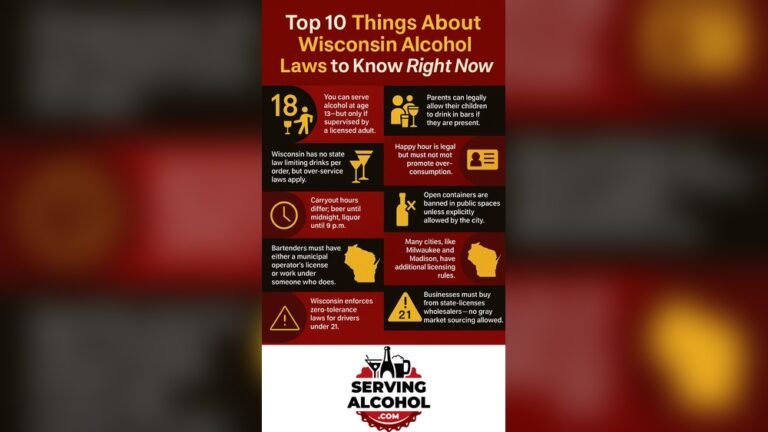
Credit: servingalcohol.com
Social Host Liability
Social host liability in Wisconsin refers to the legal responsibility of adults who provide alcohol to minors. This law holds parents and guardians accountable if underage drinking occurs at their property. Understanding this liability helps prevent legal troubles and promotes safer environments for youth.
Responsibility Of Parents And Guardians
Parents and guardians must supervise any alcohol use by minors closely. They must be present in the same room and directly oversee the drinking. Allowing underage drinking without supervision can lead to serious legal consequences. The law expects adults to control the situation and ensure safety.
Legal Risks For Hosting Underage Drinking
Hosting a party where minors drink alcohol can result in fines and criminal charges. Adults can be held liable for accidents or injuries caused by intoxicated minors. Courts consider whether the host knowingly allowed underage drinking. Liability can extend to both the property owner and the party organizer.
Local Ordinances And Variations
Local ordinances in Wisconsin create unique rules about drinking with parents. These laws vary by county and city. Knowing these differences helps families follow the law correctly. Some areas may allow minors to drink with parents in private settings. Others may have stricter rules, even if state law permits it. Understanding local variations prevents legal trouble and ensures safe experiences.
County And City Differences
Counties and cities in Wisconsin can set their own drinking rules. Some counties allow minors to drink with parents at home. Others may ban any alcohol consumption by minors outside private property. Cities may have their own curfews or restrictions on alcohol use. These local laws can be stricter than state laws. Always check local rules before letting a minor drink with parents.
How Local Laws Affect State Regulations
State law sets a general framework for drinking with parents. Local laws can add extra rules or limits. If local laws are stricter, those rules must be followed. This means a minor allowed to drink at home by state law might face restrictions in certain cities. Local enforcement focuses on these specific ordinances. Parents should know both state and local laws to avoid penalties.
Resources For Parents
Parents in Wisconsin need clear information on drinking laws. Understanding these laws helps keep children safe and avoid legal trouble. Several trusted resources provide detailed and easy-to-understand guidance. These resources explain the rules about minors drinking with parents and related legal responsibilities. Below are key sources that parents can use to learn more.
State Legislature Statutes
The Wisconsin State Legislature publishes the official laws on underage drinking. These statutes define when minors can legally consume alcohol under parental supervision. Parents find precise legal language and conditions here. The statutes clarify what “accompanied by a parent” means in legal terms. This source ensures parents know their rights and limits exactly.
Department Of Revenue Guides
The Wisconsin Department of Revenue offers user-friendly guides about alcohol laws. These guides explain rules for minors and parents in simple terms. They include FAQs and examples to help parents understand the law. The Department updates these guides regularly to reflect current regulations. Parents can rely on these guides for practical advice and clear explanations.
Legal Assistance And Advice
Legal experts in Wisconsin provide advice on underage drinking laws. Family lawyers and legal aid services help parents interpret the rules. They offer support if legal questions or issues arise. Consulting a lawyer is wise for complex situations or legal concerns. Free or low-cost legal help may be available to guide parents properly.
Frequently Asked Questions
What Is The Legal Drinking Age In Wisconsin?
The legal drinking age in Wisconsin is 21 years old. Minors cannot legally purchase or consume alcohol unless specific exceptions apply.
Can Minors Drink Alcohol With Their Parents In Wisconsin?
Yes, minors may consume alcohol if directly supervised by a parent or legal guardian in a private setting.
Are Minors Allowed In Wisconsin Bars With Parents?
Minors can enter bars with parents but cannot drink unless the parent is present and supervising.
What Does “accompanied By A Parent” Mean Legally?
It means the parent must be in the same room, directly supervising the minor while they drink.
Conclusion
Understanding Wisconsin’s drinking laws with parents helps keep families safe. Parents must be in the same room, watching their children closely. This rule ensures clear supervision and legal compliance. Knowing these laws prevents trouble and confusion during family events. Always check official Wisconsin resources for the latest updates.
Staying informed helps parents make smart choices about alcohol. Respecting the law supports healthy and responsible drinking habits. Families can enjoy celebrations with confidence and care.

Ismail Hossain is the founder of Law Advised. He is an Divorce, Separation, marriage lawyer. Follow him.