Emancipation Laws in Arkansas: What You Need to Know Today
Are you curious about how emancipation laws in Arkansas can impact your life or the life of someone you care about? Understanding these laws is key if you’re looking to gain legal independence before reaching adulthood.
Knowing your rights and the process involved can give you the confidence to take control of your future. This article breaks down everything you need to know about emancipation in Arkansas in a clear and simple way. Keep reading, and you’ll discover how these laws work, what steps you need to take, and why they matter to you.

Credit: www.lesliecopelandlaw.com
History Of Emancipation In Arkansas
The history of emancipation in Arkansas reflects a complex journey from slavery to freedom. The state was deeply tied to slavery before the Civil War. Many enslaved people lived and worked in Arkansas under harsh conditions. Emancipation laws changed the lives of these individuals and reshaped the state.
The path to freedom was slow and difficult. Arkansas followed the Confederacy during the Civil War, which delayed the end of slavery within its borders. Many enslaved people hoped for freedom as the war progressed. The legal changes came after the Union gained control of the state.
Slavery In Arkansas Before The Civil War
Slavery was legal and widespread in Arkansas before 1865. Plantations and farms used enslaved people for labor. The economy relied heavily on their work. Laws supported the ownership of slaves and restricted their rights. Enslaved people had no legal protection or freedom.
Impact Of The Emancipation Proclamation
The Emancipation Proclamation was issued by President Lincoln in 1863. It declared freedom for slaves in Confederate states. Arkansas was included, but the law had limited effect at first. Union forces controlled parts of Arkansas, but many areas remained under Confederate control. Full freedom came gradually as Union power increased.
The 1865 Arkansas Emancipation Laws
After the Civil War, Arkansas passed laws to end slavery. The state adopted the 13th Amendment, abolishing slavery nationwide. These laws legally freed all enslaved people in Arkansas. The state began the difficult process of rebuilding society. Freed people faced many challenges but gained new rights under the law.
Current Emancipation Laws
Emancipation laws in Arkansas allow minors to gain legal independence before reaching adulthood. These laws set clear rules about when and how a minor can become emancipated. Understanding these rules helps young people and their families make informed decisions.
Arkansas has specific conditions that minors must meet to be legally emancipated. The court plays a key role in approving emancipation cases based on these conditions. The process aims to protect minors while giving them freedom when appropriate.
Age Requirement For Emancipation
In Arkansas, a minor must be at least 16 years old to apply for emancipation. This age limit ensures the minor has enough maturity to handle adult responsibilities. Minors younger than 16 cannot seek emancipation under state law.
Filing A Petition
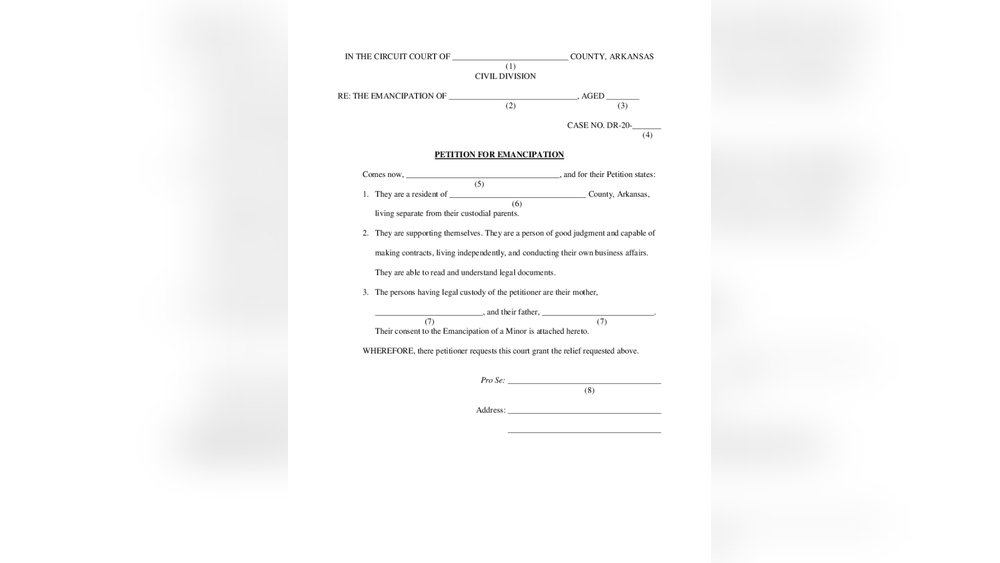
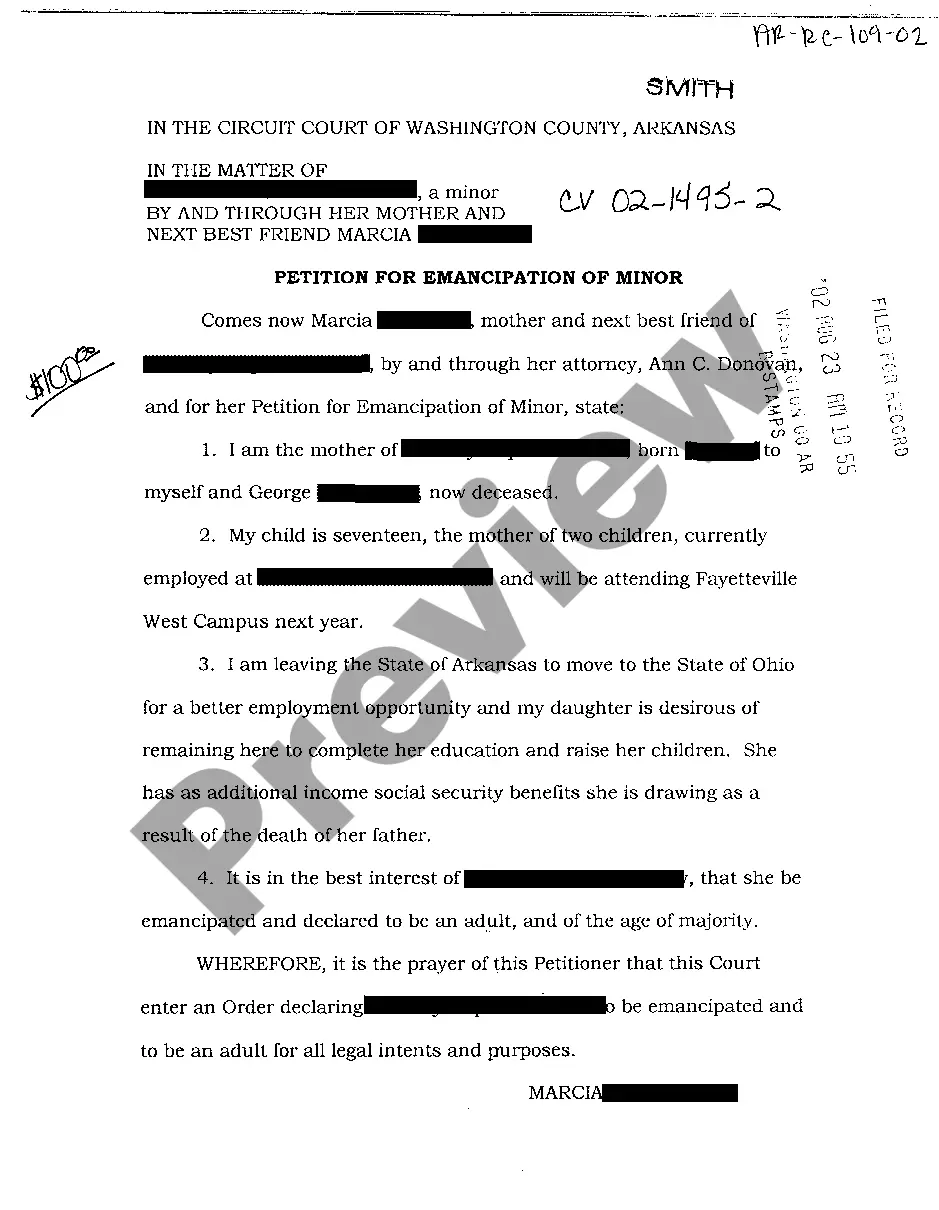
The minor must file a petition with the local court to start the emancipation process. The petition must explain why emancipation is necessary and how the minor can support themselves. This step is critical for the court to understand the minor’s situation.
Court Hearing And Decision
The court holds a hearing to review the petition and hear from the minor and their guardians. The judge considers the minor’s financial independence, living situation, and education. The court approves emancipation only if it benefits the minor’s welfare.
Financial Independence
Minors must prove they can support themselves financially to gain emancipation. This includes having a steady income and managing living expenses. Financial independence shows the minor can handle adult responsibilities responsibly.
Legal Rights After Emancipation
Once emancipated, minors in Arkansas can make contracts, live alone, and manage their own affairs. They gain the legal rights of adults but must still follow state laws. Emancipation does not grant all adult rights, such as voting or drinking alcohol.
Age Requirements For Emancipation
Understanding the age requirements for emancipation in Arkansas is important. Emancipation means a minor can become legally independent from their parents or guardians. The law sets specific age limits to protect young people while offering freedom in certain cases.
Arkansas law defines the minimum age a minor must reach to ask for emancipation. This helps ensure that the minor is mature enough to handle adult responsibilities.
Minimum Age To Request Emancipation
In Arkansas, minors must be at least 16 years old to file for emancipation. This age limit ensures they have enough maturity. Minors younger than 16 cannot seek emancipation under state law.
Proof Of Maturity And Capability
The court requires proof that the minor can manage their finances and daily life. This includes showing they can live independently and support themselves. The minor must demonstrate responsibility and good judgment.
Parental Consent And Court Approval
Sometimes, the court asks for parental consent. If parents do not agree, the minor must prove emancipation is in their best interest. The judge decides based on the minor’s maturity and situation.
Legal Process To Become Emancipated
The legal process to become emancipated in Arkansas allows minors to gain independence from their parents or guardians. This process requires following specific steps set by the state law. Emancipation grants young people the right to make decisions on their own behalf.
Arkansas law sets clear rules for minors seeking emancipation. Courts carefully review each case to ensure the minor is ready to handle adult responsibilities. The process includes filing a petition, attending a hearing, and proving financial and personal stability.
Filing The Petition For Emancipation
The first step is to file a petition with the local court. The minor or their attorney must submit this document. The petition explains why emancipation is necessary. It includes details about the minor’s age, living situation, and reasons for seeking independence.
Notifying Parents Or Guardians
The court requires that parents or guardians receive notice of the petition. This gives them a chance to respond. The court may consider their opinions during the hearing. Notification is a legal way to involve all parties affected by the request.
Attending The Emancipation Hearing
The court schedules a hearing to review the case. The minor must appear and answer questions. The judge examines the minor’s maturity and ability to live independently. Evidence of stable income and housing is important here.
Meeting Legal Requirements
Arkansas law demands the minor be at least 16 years old. The minor must prove they can support themselves financially. School attendance or educational plans may be considered. The judge looks for proof that emancipation is in the minor’s best interest.
Receiving The Court’s Decision
After the hearing, the judge decides on the petition. If approved, the court issues an emancipation order. This legal document grants the minor adult rights. If denied, the minor can try again later or seek legal advice.
Rights Gained After Emancipation
After emancipation, formerly enslaved people in Arkansas gained important rights. These rights marked a new beginning for many. Life changed with opportunities for freedom, work, and participation in society.
The changes laid the groundwork for a more equal future. Though challenges remained, the legal gains were significant steps forward.
Right To Own Property
Emancipated individuals gained the right to own land and property. This was a big change from slavery. Owning property meant building wealth and independence. Many started farms or businesses. Property ownership helped secure families’ futures.
Right To Work And Earn Wages
Freed people could now work for pay. They chose their jobs and employers. This freedom gave control over their lives. Earning wages allowed them to support their families. It also helped them save money and plan ahead.
Right To Legal Protection
New laws protected freed people from unfair treatment. They could go to court and defend their rights. This legal protection was crucial to prevent abuse. It helped ensure fair treatment in everyday life.
Right To Education
Education became accessible to freed people. Schools were established to teach reading and writing. Learning opened doors to better jobs and opportunities. Education empowered individuals to improve their lives.
Right To Participate In Politics
Freed people gained the right to vote and hold office. Political participation gave them a voice in government. This was a major shift in power and influence. It allowed them to fight for equal rights and justice.
Credit: www.uslegalforms.com
Challenges And Limitations
Emancipation laws in Arkansas brought freedom but also many challenges. These laws did not solve all problems for young people seeking independence. Many faced strict rules and legal limits that made emancipation hard to achieve.
Young people found it difficult to meet the requirements. Courts often demanded proof of financial stability. This was tough for teens without steady jobs or savings. The laws aimed to protect, but sometimes they blocked freedom.
Age Restrictions
The law set minimum ages for emancipation. Usually, teens had to be 16 or older. Younger teens could not apply, even if they were ready to live on their own. This rule limited many who wanted early independence.
Financial Requirements
Teens had to show they could support themselves. Courts looked for steady income and housing plans. Many teens lacked jobs or savings. This made it hard to prove they were ready.
Legal And Social Barriers
Even with court approval, challenges remained. Emancipated teens still faced social stigma. Families and communities might not accept their new status. Also, legal paperwork could be confusing and expensive.
Resources For Emancipated Minors
Emancipated minors in Arkansas face many new challenges and responsibilities. Access to proper resources helps them succeed in this new phase of life. These resources provide legal support, education, housing, and healthcare guidance.
Knowing where to find help makes a big difference for young people living independently. Below are key resources designed to support emancipated minors in Arkansas.
Legal Assistance And Advocacy
Legal help is essential for minors who become emancipated. Local legal aid organizations offer free or low-cost advice. They help with contracts, leases, and understanding rights. The Arkansas Bar Association also provides resources for young adults needing legal guidance.
Educational Support Programs
Education is vital for a stable future. Emancipated minors can access scholarships and tutoring programs. Some school districts have counselors to assist with continuing education. Online learning options provide flexibility for those balancing work and school.
Housing And Shelter Options
Finding safe housing can be difficult for young people on their own. Arkansas has shelters and transitional housing programs for emancipated minors. These programs offer temporary housing and help with finding long-term solutions. Support staff guide minors through the housing process.
Healthcare Services
Healthcare access is critical for independent minors. Emancipated youth can apply for Medicaid or other state health programs. Community clinics provide affordable medical and mental health care. Health education resources teach how to manage wellness and emergencies.

Credit: www.thv11.com
Frequently Asked Questions
What Is The Legal Age For Emancipation In Arkansas?
The legal age for emancipation in Arkansas is 16 years old. A minor must prove they can live independently and support themselves.
How Do Minors Apply For Emancipation In Arkansas?
Minors must file a petition in family court to start emancipation. The court reviews the minor’s situation before granting approval.
What Rights Do Emancipated Minors Gain In Arkansas?
Emancipated minors can sign contracts, make medical decisions, and live independently. They gain many adult legal rights before turning 18.
Can Parents Stop A Minor From Becoming Emancipated In Arkansas?
Parents can object during the court hearing for emancipation. The judge decides if emancipation is in the minor’s best interest.
What Reasons Justify Emancipation Under Arkansas Law?
Common reasons include marriage, joining the military, or financial independence. The court looks for clear proof that emancipation benefits the minor.
Does Emancipation Affect Child Support In Arkansas?
Once emancipated, minors are generally not entitled to child support. Parents may no longer have legal responsibility for the emancipated child.
Conclusion
Understanding emancipation laws in Arkansas helps young people gain independence. These laws allow minors to make their own choices legally. Knowing the rules can protect your rights and guide your decisions. Each case depends on specific conditions and court approval.
Seek advice from a trusted adult or legal expert if needed. Emancipation brings both freedom and responsibility. Stay informed and prepared for what lies ahead.

Ismail Hossain is the founder of Law Advised. He is an Divorce, Separation, marriage lawyer. Follow him.