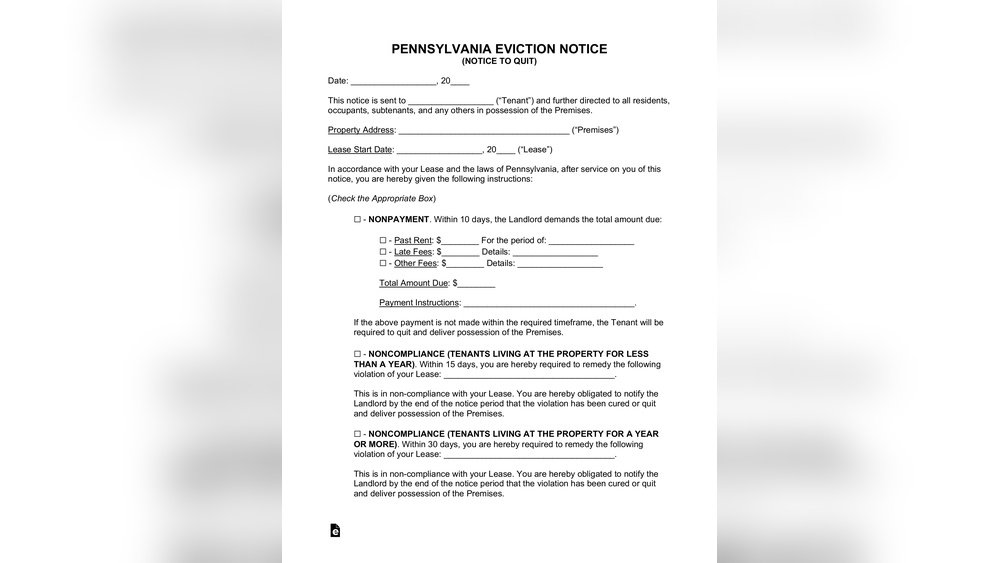
Eviction Laws in Pennsylvania: Essential Guide for Renters & Landlords
Are you facing the stress of a possible eviction in Pennsylvania? Understanding eviction laws can feel overwhelming, but knowing your rights and the process can give you the power to protect yourself and your home.
Whether you’re a tenant worried about losing your place or a landlord wanting to follow the rules, this guide breaks down the key points you need to know. Keep reading to learn what steps you should take, what landlords can and cannot do, and how Pennsylvania’s eviction laws affect you—so you’re never caught off guard.
Credit: www.rocketlawyer.com
Pennsylvania Eviction Basics
Eviction laws in Pennsylvania protect both landlords and tenants. They set clear rules about when and how a tenant can be removed from a rental property. Understanding these basics helps avoid confusion and legal trouble. This section explains the key points about eviction in Pennsylvania.
Types Of Eviction
There are two main types of eviction in Pennsylvania. The first is a non-payment eviction. This happens when a tenant does not pay rent on time. The second type is a lease violation eviction. This occurs if the tenant breaks a lease rule, like having pets when not allowed or causing damage. Each type has specific steps the landlord must follow.
Reasons For Eviction
Landlords can evict tenants for several reasons. Not paying rent is the most common. Other reasons include damaging property, disturbing neighbors, or staying after the lease ends. Sometimes, landlords want to use the property themselves or sell it. The law requires landlords to have a valid reason to evict a tenant.
Notice Requirements
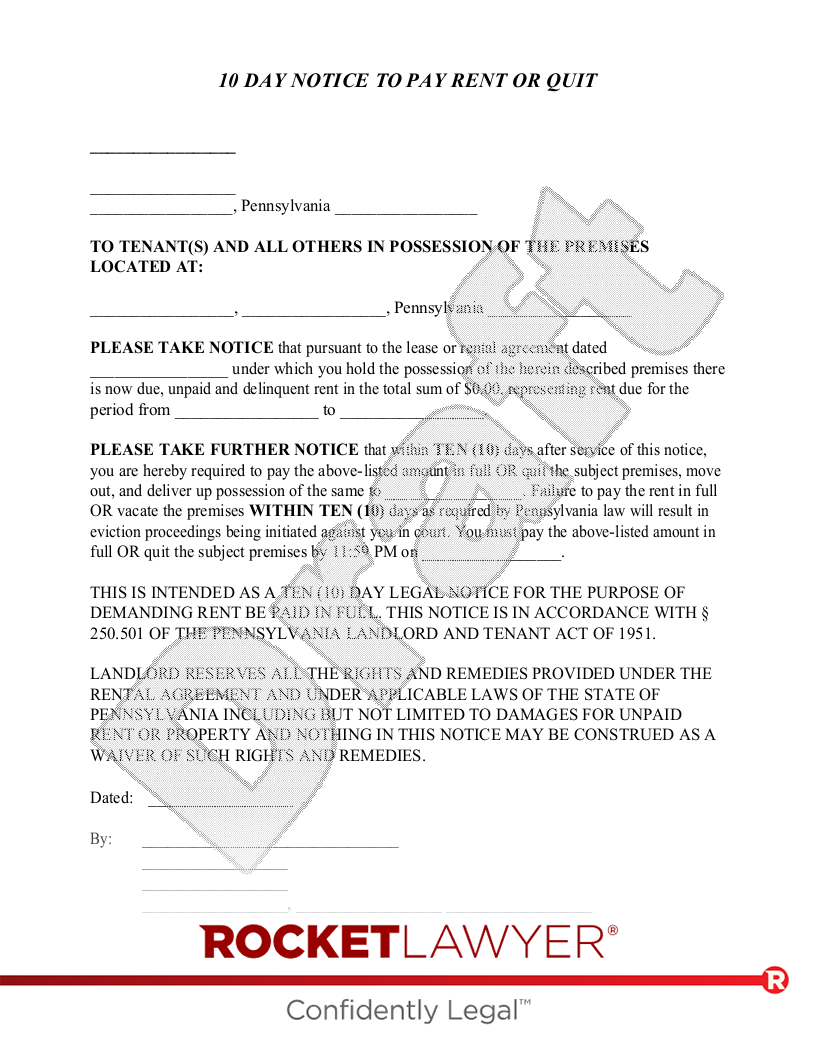
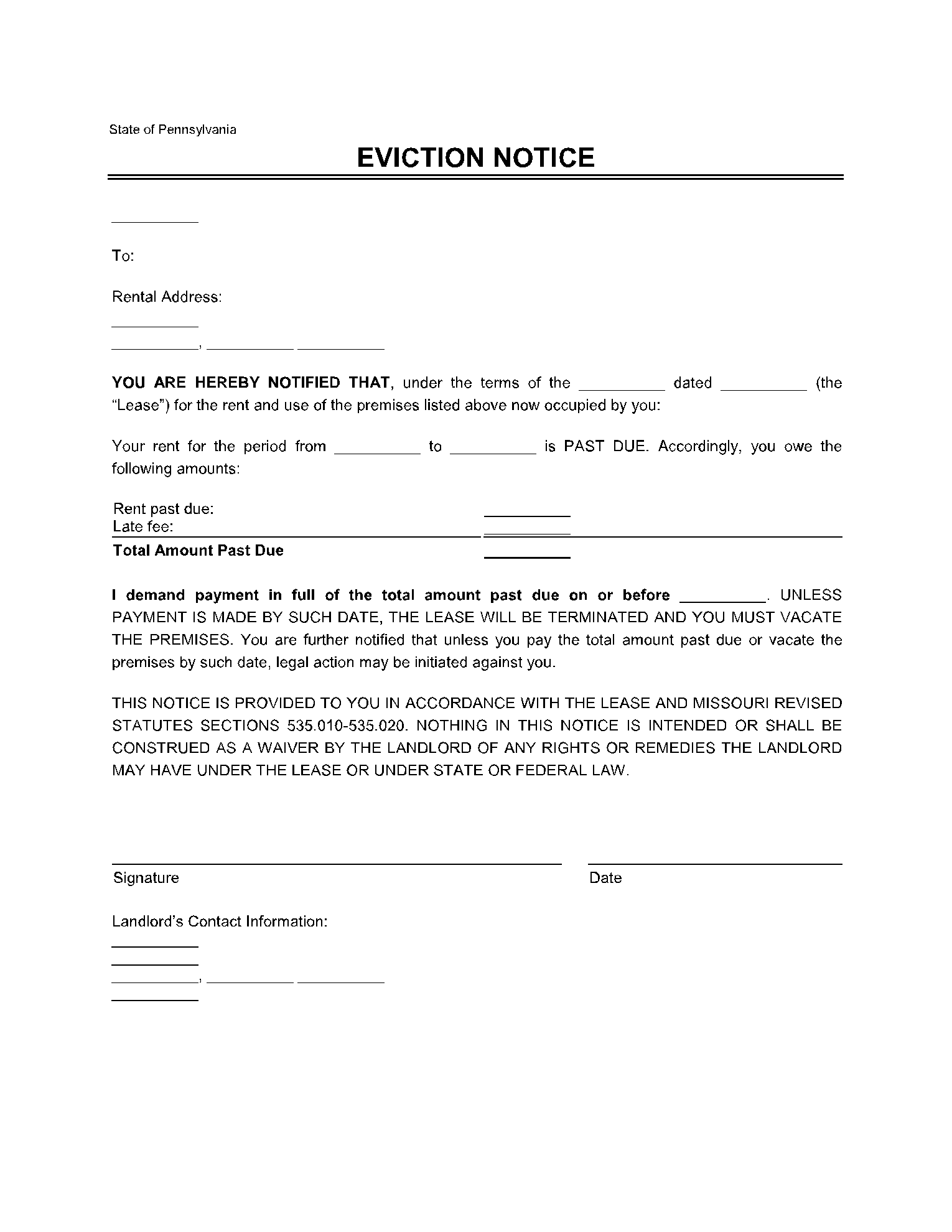
Before eviction, landlords must give proper notice to tenants. The type of notice depends on the reason for eviction. For non-payment, landlords usually give a 10-day notice to pay rent or leave. For lease violations, a 15-day notice to fix the issue or move out is common. Notices must be clear and written to be valid in court.
Credit: cocosign.com
Tenant Rights During Eviction
Tenants in Pennsylvania have specific rights during the eviction process. Understanding these rights helps tenants protect themselves. It also ensures landlords follow the law. This section explains key tenant protections during eviction.
Protection Against Illegal Eviction
Landlords cannot remove tenants without following legal steps. Changing locks or shutting off utilities is illegal. Tenants have the right to stay until a court orders eviction. Illegal eviction can lead to penalties for landlords. Tenants should report illegal actions to local authorities.
Response To Eviction Notices
Tenants must receive a written eviction notice. The notice explains the reason and time to respond. Tenants can fix issues like unpaid rent during this time. They may also present a defense in court. Ignoring the notice can lead to eviction by court order.
Access To Legal Assistance
Many organizations offer free or low-cost legal help. Legal aid supports tenants in understanding their rights. Lawyers can help tenants respond to eviction properly. Seeking legal advice early can prevent wrongful eviction. Tenants should find local legal resources quickly.
Landlord Responsibilities
Landlords in Pennsylvania have clear duties to follow during the eviction process. These duties protect tenant rights and keep the process legal. Understanding these responsibilities helps landlords avoid common mistakes and legal trouble.
Proper Notice Procedures
Landlords must give tenants written notice before starting eviction. The notice must state the reason for eviction clearly. The time frame depends on the reason for eviction. For example, a 10-day notice is needed for unpaid rent. Notices must be delivered correctly, either in person or by mail. Proper notice gives tenants a chance to fix issues or prepare to move out.
Filing An Eviction Lawsuit
If tenants do not leave after notice, landlords can file an eviction lawsuit. This is called a “landlord-tenant complaint” in Pennsylvania. The lawsuit must be filed in the right court. Landlords need to provide proof of the notice and rental agreement. The court will schedule a hearing to decide the case. Landlords cannot remove tenants by force or change locks without a court order.
Handling Tenant Property
After eviction, landlords must handle tenant property carefully. Pennsylvania law requires landlords to store the property safely. Landlords cannot sell or throw away items immediately. They must notify tenants about the property and how to collect it. This protects tenant belongings and avoids legal claims against the landlord.
Court Process And Appeals
The court process in Pennsylvania for eviction cases follows clear steps. It starts with the landlord filing a complaint. The tenant then has a chance to respond. The court schedules a hearing where both sides share their views.
Understanding the court process helps tenants and landlords prepare. Knowing what to expect can reduce stress and confusion. The process also includes options to appeal decisions if needed.
Eviction Hearing Steps
The court sets a date for the eviction hearing. Both landlord and tenant must attend. The landlord presents the reason for eviction first. The tenant can then explain their side. The judge listens to both and reviews any evidence. After hearing both parties, the judge decides on the case.
Possible Outcomes
The judge may rule in favor of the landlord. This means the tenant must leave the property. The judge can also rule for the tenant, allowing them to stay. Sometimes, the judge might order the tenant to pay rent owed. Each outcome depends on the facts and evidence presented.
Appealing A Decision
Either party can appeal the judge’s decision. They must file an appeal within a set time, usually 30 days. The appeal goes to a higher court for review. The higher court checks if the law was applied correctly. The appeal can confirm, change, or reverse the original ruling.

Credit: www.tenantcloud.com
Frequently Asked Questions
What Are The Main Reasons For Eviction In Pennsylvania?
Landlords can evict tenants for not paying rent, breaking lease rules, or damaging property. They must follow legal steps before eviction.
How Much Notice Must A Landlord Give Before Eviction?
Landlords usually must give tenants a 10-day notice to pay rent or leave. For lease violations, the notice period can be shorter.
Can Tenants Stop An Eviction In Pennsylvania?
Tenants can stop eviction by paying owed rent or fixing lease violations. They can also ask the court for more time.
What Is The Eviction Process Timeline In Pennsylvania?
The eviction process typically takes 3 to 6 weeks, including notice, court hearing, and sheriff’s removal order. Delays can happen.
Do Tenants Have Rights During Eviction In Pennsylvania?
Tenants have rights to get proper notice, attend court hearings, and challenge eviction. Landlords cannot use force or lockouts without court approval.
Conclusion
Understanding Pennsylvania’s eviction laws helps protect tenants and landlords. Knowing your rights and duties makes the process clearer. Always follow legal steps to avoid problems. Seek advice if you feel unsure or face eviction. Staying informed can save time and stress.
Keep communication open between renters and owners. This way, both sides can find fair solutions.

Ismail Hossain is the founder of Law Advised. He is an Divorce, Separation, marriage lawyer. Follow him.