Final Paycheck Laws in California: What Every Employee Must Know
Are you about to leave your job in California? Understanding your rights around your final paycheck is crucial.
You might be wondering when you should get paid, what must be included, and what to do if your employer doesn’t follow the rules. This guide will clear up all the confusion and help you protect your hard-earned money. Keep reading to learn exactly what California law says about your final paycheck—and why knowing this could save you time and stress.

Credit: ferrarovega.com
Timing For Final Paychecks
Knowing the timing for final paychecks in California helps workers plan their next steps. The law sets clear rules for when employers must pay employees after leaving a job. These rules change based on how the employee leaves the company. Understanding these differences protects workers from delays and unpaid wages.
When Employers Must Issue Paychecks
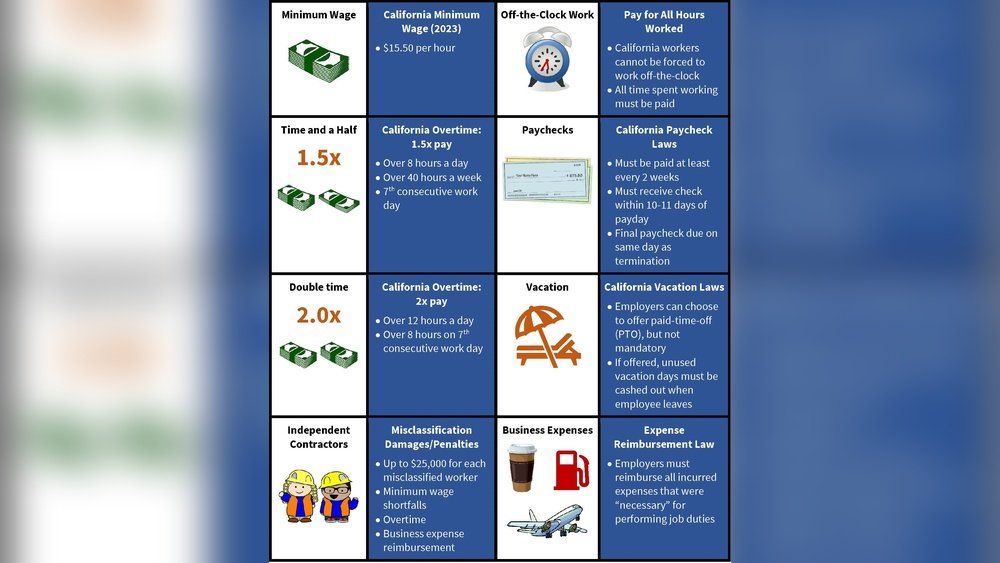
California law requires employers to pay final wages promptly. If an employee is fired, the employer must pay immediately. The final paycheck must be given on the last day of work. This paycheck includes all earned wages and unused vacation time.
For employees who quit, the timing depends on notice given. If the employee gives at least 72 hours’ notice, the employer must pay on the last day. Without notice, the employer has 72 hours to issue the final paycheck.
Differences Between Resignation And Termination
Resignation and termination have different paycheck rules. Fired employees get paid on their last workday. This rule ensures no delay in receiving wages.
Employees who resign must consider notice requirements. Giving proper notice speeds up the payment process. Without notice, payment can take a few more days. This difference affects when workers receive their money.

Credit: www.frontierlawcenter.com
Mandatory Deductions And Inclusions
Understanding mandatory deductions and inclusions is important for California final paycheck laws. These rules tell employers what money they must take out or add to a employee’s last paycheck. This ensures fairness and legal compliance.
Employees should know what deductions are legal and what pay must be included. This knowledge helps avoid surprises and confusion on payday.
What Can Be Legally Deducted
Employers can only deduct certain amounts from a final paycheck. Taxes like federal, state, and Social Security must be taken out. Court-ordered payments such as child support are also deducted.
Other deductions include health insurance premiums or retirement plan contributions if agreed upon. Employers cannot take money for uniforms, tools, or cash shortages without written permission.
Illegal deductions can lead to penalties. Employees can report if they believe unlawful amounts were taken.
Inclusion Of Unused Vacation And Sick Leave
California law requires unused vacation pay to be included in the last paycheck. Vacation time is earned wages. It cannot be taken away or unpaid.
Sick leave is different. Employers do not have to pay out unused sick days unless the company policy says so. Employees should check their employer’s rules on sick leave pay.
All earned wages, including unused vacation, must be paid on time. This protects workers and supports fair treatment.
Penalties For Late Or Missing Payments
In California, employers must pay final wages on time. Late or missing payments have serious consequences. The law protects employees by setting strict rules. These rules ensure workers receive all earned money promptly. Employers who fail to comply face penalties and legal action. Understanding these penalties helps employees know their rights and options.
Employee Rights To Penalties
Employees have the right to penalties if payment is late. The law requires payment immediately at the end of work. If the employer delays, they owe additional money. This penalty is called “waiting time” compensation. It equals the employee’s daily wage for each day payment is late. Penalties can last up to 30 days. This rule applies to all final wages, including bonuses and unused vacation pay.
How To File A Claim
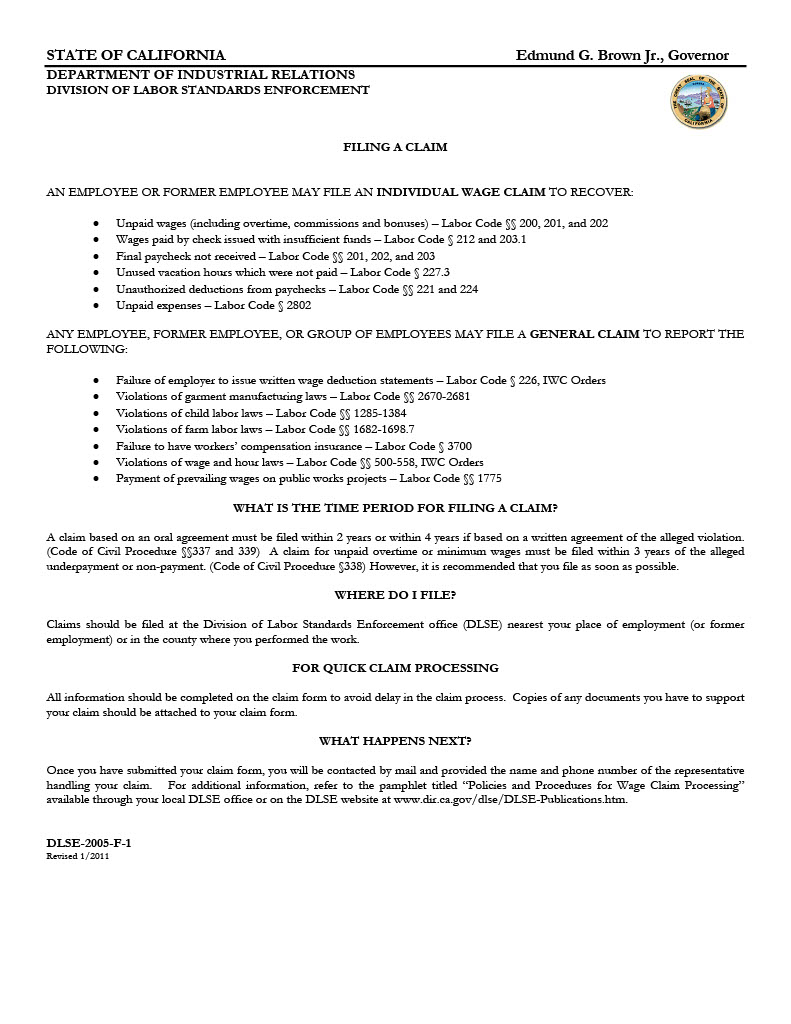
Filing a claim starts by contacting the employer directly. A written request for payment can resolve many issues. If that fails, the employee can file with the California Labor Commissioner. This office handles wage disputes and enforces the law. The claim process is free and straightforward. Employees should keep records of work hours and communications. Legal help is available for complicated cases. Prompt action increases chances of recovering owed wages and penalties.
Credit: fgfirm.law
Practical Tips For Employees
Knowing your rights about final paychecks in California helps you avoid problems. Employers must follow strict rules for paying you after your job ends. You should stay informed and prepared to handle your paycheck smoothly.
This section gives simple tips to keep track of your final paycheck. It also explains what to do if your paycheck is late. These steps protect your money and your rights.
How To Track Your Final Paycheck
Keep a record of your last working day and hours worked. Save any pay stubs or documents related to your job. Check your employer’s usual payday schedule. Your final paycheck must arrive on time, depending on your job end date.
Use your bank account or pay portal to watch for the deposit. Note the amount and compare it with your expected wages. This includes unpaid wages, bonuses, and unused vacation pay. Keep all communication with your employer about payment.
Steps To Take If Paycheck Is Delayed
Contact your employer or human resources department right away. Ask for a clear explanation and a new payment date. Remain polite but firm in your request for your owed money.
If the delay continues, file a wage claim with the California Labor Commissioner. This office handles complaints about unpaid wages. You can also seek legal advice for further action. Keep all evidence of your work and communication.
Taking quick action helps you get your money without extra trouble. Staying organized and calm improves your chances of a smooth resolution.
Frequently Asked Questions
When Must Employers Give The Final Paycheck In California?
California law requires employers to give the final paycheck immediately if fired. If an employee quits with 72 hours notice, the paycheck is due on the last day. Without notice, the employer has 72 hours to pay.
What Items Are Included In The Final Paycheck?
The final paycheck includes all wages earned, unused vacation, and any owed bonuses. Employers must pay for all hours worked up to the last day of employment.
Can Employers Deduct Money From A Final Paycheck In California?
Employers can only deduct money if the employee agrees in writing. Deductions must be legal, like taxes or court-ordered payments. Unauthorized deductions are not allowed.
What Happens If An Employer Delays The Final Paycheck?
Employers who delay must pay a penalty of the employee’s daily wage. This penalty applies for each day the paycheck is late, up to 30 days. Employees can file a claim with the Labor Commissioner.
Conclusion
Final paycheck laws in California protect workers’ rights. Employers must pay all wages on time. This includes earned salary, unused vacation, and bonuses. Knowing these rules helps avoid confusion and disputes. Workers should check their final paycheck carefully. Any missing pay should be addressed quickly.
Staying informed ensures fair treatment after leaving a job. Understanding these laws benefits both employees and employers. It creates a clearer, smoother process for everyone involved. Keep these facts in mind to protect your earnings.

Ismail Hossain is the founder of Law Advised. He is an Divorce, Separation, marriage lawyer. Follow him.