Inheritance Tax Laws in Pennsylvania: What You Need to Know Today
Are you worried about how inheritance tax laws in Pennsylvania might affect what you leave behind for your loved ones? Understanding these laws can save you and your family from unexpected costs and complicated paperwork.
You’ll discover exactly what you need to know to protect your assets and plan wisely. Keep reading to make sure your hard-earned money goes where you want it to — not to taxes.
Credit: bisel.com
Pennsylvania Inheritance Tax Basics
Pennsylvania charges inheritance tax on assets passed after death. The tax depends on the relationship between the deceased and the heir. Not all transfers face the same tax rates. Understanding who pays and what is taxed helps in estate planning.
Knowing these basics can prevent surprises. It can also guide you in managing your estate or inheritance efficiently.
Who Pays Inheritance Tax
Heirs who receive property from a deceased person pay this tax. It applies to family members and others named in the will. Spouses and charitable organizations are exempt. If no will exists, the state decides who pays.
Tax Rates By Relationship
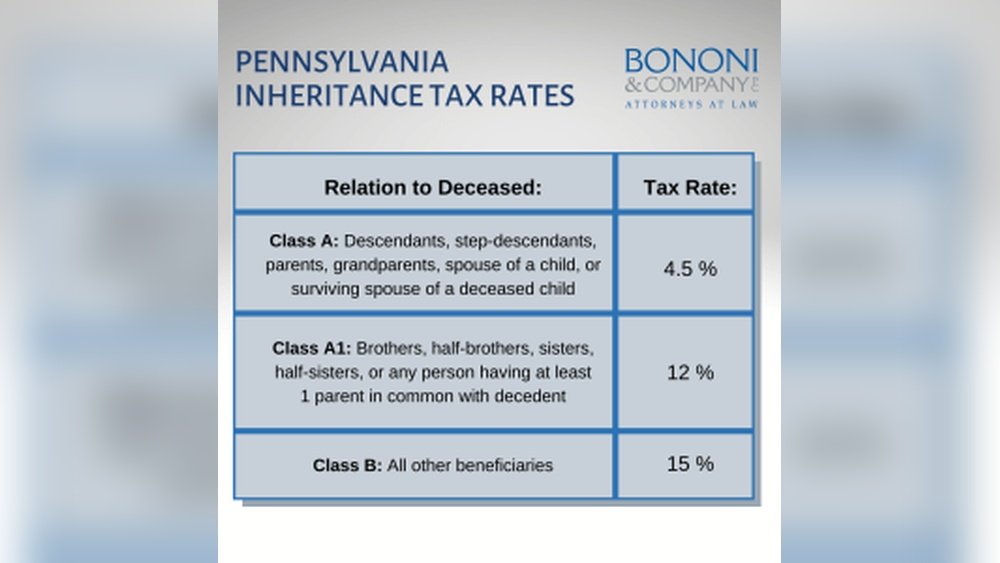
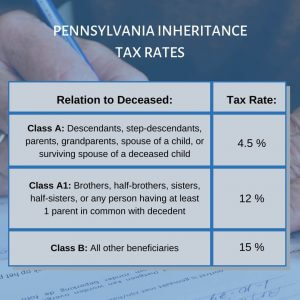
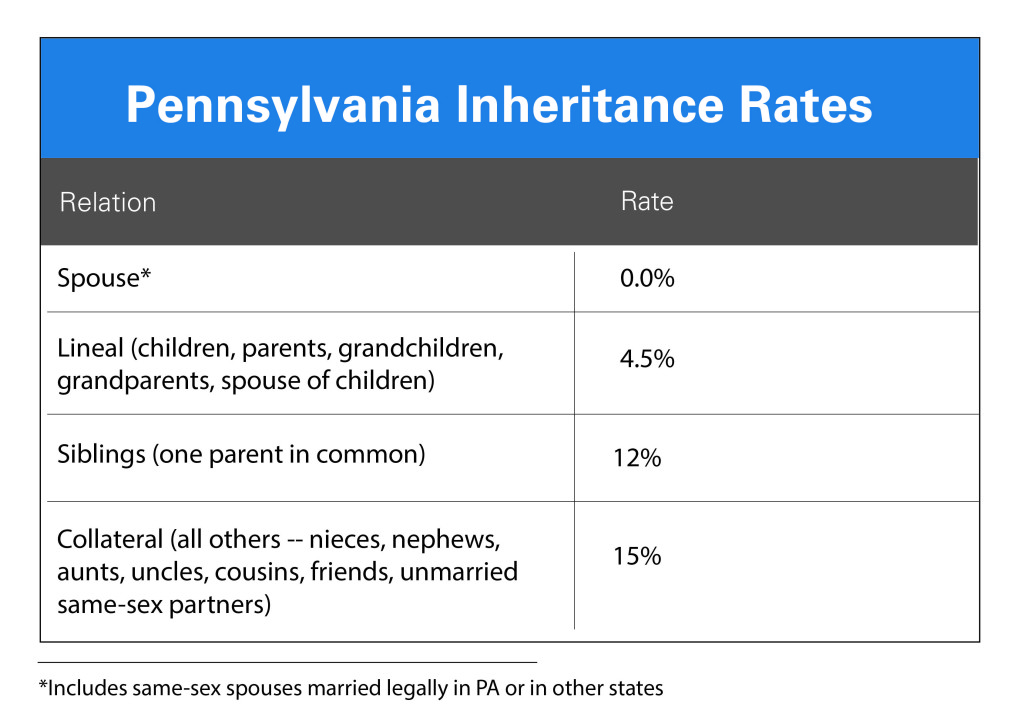
Rates vary based on how close the heir is to the deceased. Transfers to children or parents face a lower rate. Siblings pay a higher rate. Friends or distant relatives pay the highest tax. Exemptions apply to some groups, reducing the tax burden.
Assets Subject To Tax
Tax applies to money, real estate, and personal property inherited. Bank accounts, stocks, and bonds count as taxable assets. Life insurance proceeds are usually exempt if a beneficiary is named. Some transfers like gifts made before death may also be taxed.
Exemptions And Deductions
Understanding exemptions and deductions is key to navigating Pennsylvania’s inheritance tax laws. These rules can reduce the amount of tax owed. They offer relief for certain heirs and specific situations. Knowing these details helps families manage estate costs effectively.
Family Member Exemptions
Close family members often receive tax exemptions. Spouses, children, and grandchildren usually pay no inheritance tax. Pennsylvania exempts transfers to direct descendants and spouses completely. Other relatives like siblings may pay lower rates. These exemptions aim to protect family wealth across generations.
Deductions For Debts And Expenses
Debts related to the estate can reduce taxable value. Funeral costs and administration fees also qualify for deductions. These expenses lower the net estate before taxes apply. Creditors must be paid before inheritance taxes are calculated. Deducting these costs ensures fair tax assessments.
Special Cases And Exceptions
Certain situations receive special tax treatment. Transfers to charitable organizations are often exempt. Property left to public entities may also avoid tax. Small estates under a specific value might not owe inheritance tax. Understanding these exceptions helps beneficiaries plan better.
Filing And Payment Process
Filing and paying inheritance tax in Pennsylvania involves clear steps. Executors or administrators of estates must handle this process. The state requires accurate filings to calculate the tax owed. Timely payment is crucial to avoid extra charges. Understanding these rules helps complete the process smoothly.
When And How To File
File the inheritance tax return within nine months after the decedent’s death. Use Pennsylvania’s Inheritance Tax Return form (REV-1500). Submit the form to the county treasurer’s office where the decedent lived. Electronic filing options may be available. Include all necessary documents to avoid delays.
Payment Deadlines
Pay the full tax amount by the nine-month deadline. Partial payments are not accepted. If the tax is not paid on time, interest will start to accumulate. Planning ahead ensures timely payment and avoids extra costs.
Penalties For Late Payments
Late payments trigger penalties and interest charges. The penalty rate increases the longer the payment is delayed. Penalties can add up quickly, increasing the total amount owed. Filing and paying on time prevents these extra fees.
Credit: bononiandbononi.com
Planning To Minimize Tax
Planning to minimize inheritance tax in Pennsylvania helps protect your family’s wealth. Proper strategies can reduce tax burdens on your heirs. It also ensures a smoother transfer of assets. Early planning offers more options and control over your estate.
Gift Strategies
Giving gifts during your lifetime can lower your taxable estate. Pennsylvania allows a certain amount of tax-free gifts each year. Use these gifts to pass money or property to loved ones. Smaller gifts avoid triggering tax and reduce future inheritance tax. Keep track of all gifts to follow tax rules carefully.
Trusts And Estate Planning
Trusts can shield assets from inheritance tax in many cases. They control how and when your heirs receive their inheritance. Different types of trusts serve different needs and goals. A well-crafted estate plan can limit tax exposure and protect assets. Regular reviews keep your plan up to date with laws.
Consulting Professionals
Tax laws are complex and change often. A tax advisor or estate lawyer helps create effective plans. They explain your options clearly and guide you through legal steps. Professional advice prevents costly mistakes and ensures compliance. Early consultation saves time and stress for your family.
Credit: www.rklcpa.com
Frequently Asked Questions
What Is The Inheritance Tax Rate In Pennsylvania?
Pennsylvania charges a 4. 5% inheritance tax on most assets. Some family members, like spouses, are exempt from this tax.
Who Must Pay Inheritance Tax In Pennsylvania?
Heirs who receive property or money from a deceased person may owe inheritance tax. The amount depends on their relationship to the deceased.
Are Spouses Exempt From Pennsylvania Inheritance Tax?
Yes, spouses do not pay inheritance tax on assets inherited from their partner. This exemption helps married couples avoid extra taxes.
How Does Pennsylvania Classify Different Heirs For Tax?
Pennsylvania groups heirs into classes with different tax rates. Close relatives pay less, while distant relatives or unrelated persons pay more.
When Is Pennsylvania Inheritance Tax Due And How To Pay?
Inheritance tax must be paid within nine months after the person’s death. Heirs usually pay the tax through the estate or directly to the state.
Conclusion
Pennsylvania’s inheritance tax laws affect many families and estates. Knowing the rules helps avoid surprises and extra costs. Different heirs pay different rates, so understanding who owes what is important. Planning ahead can reduce the tax burden. Talking to a professional can make the process easier.
Keep these points in mind to handle inheritance taxes smoothly. Simple steps now can protect your loved ones later.

Ismail Hossain is the founder of Law Advised. He is an Divorce, Separation, marriage lawyer. Follow him.