Labor Laws in Colorado for Minors: Essential Rights and Rules
Are you a young worker in Colorado or a parent looking out for your teen’s rights on the job? Understanding labor laws for minors in Colorado is crucial to protect yourself and make sure your work experience is safe and fair.
These rules affect when you can work, how many hours you’re allowed, and what kind of jobs you can do. If you want to avoid surprises and know exactly what’s allowed, keep reading—this guide will give you clear, simple answers so you can focus on your goals without worrying about the legal stuff.
Age Requirements For Employment
Colorado has clear rules about the minimum age for work. These rules protect young workers. They ensure kids work safely and don’t miss school. Understanding these age limits helps parents and teens follow the law.
The state sets the youngest age a minor can start working. These laws also control the types of jobs allowed for each age group. Employers must follow these rules closely to avoid penalties.
Minimum Age For Employment
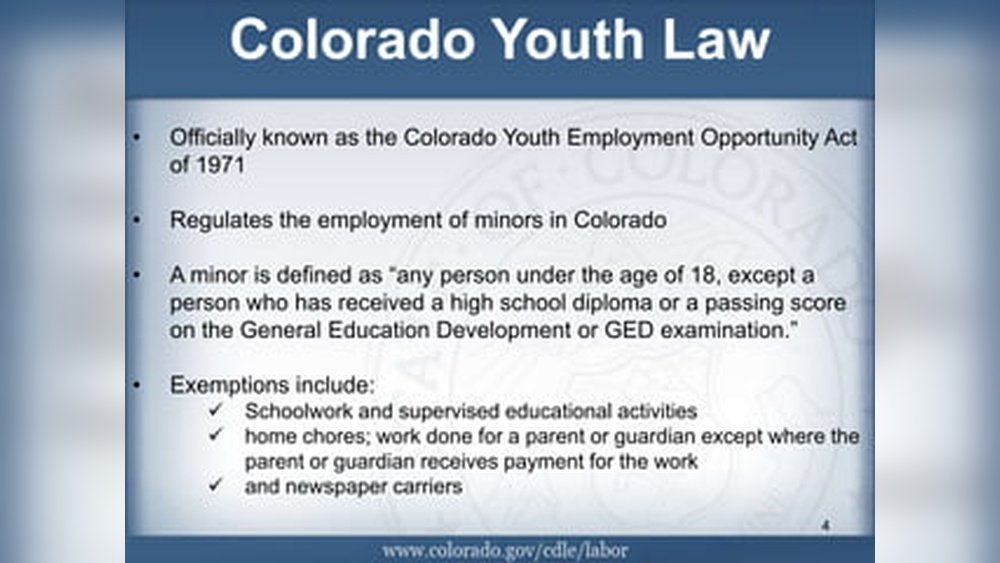
In Colorado, the minimum age to work is 14 years old. Children younger than 14 cannot work in most jobs. There are some exceptions, like working for parents or in agriculture.
Work Permits For Minors
Minors aged 14 and 15 need a work permit. This permit shows the job is safe and does not harm school attendance. Employers must get this permit before hiring young workers.
Jobs Allowed By Age Group
Children 14 and 15 can do light work like cashier or office tasks. Teens 16 and older can work in more types of jobs but still have limits. Jobs involving heavy machinery or dangerous tasks are off-limits for all minors.
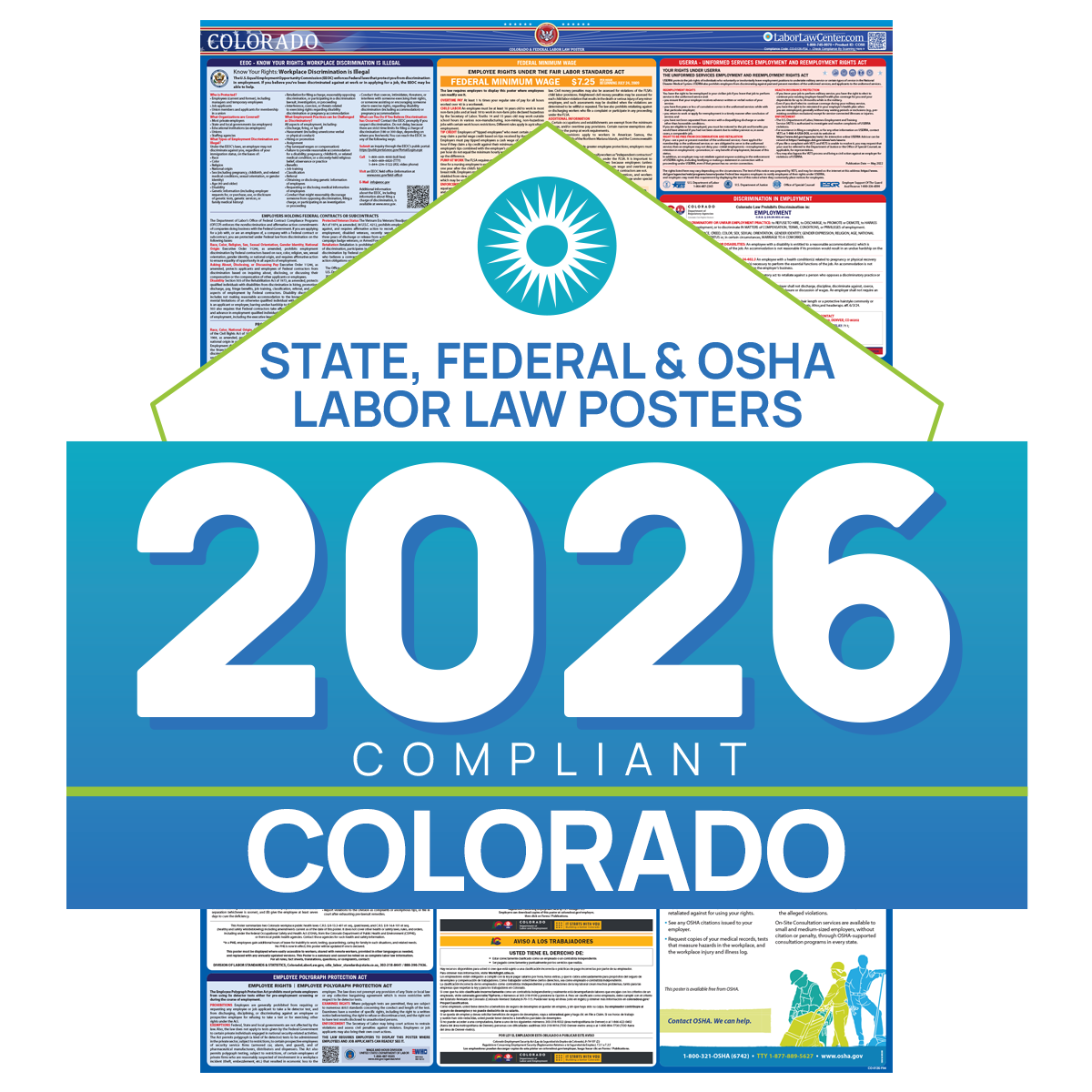
Credit: www.laborlawcenter.com
Work Permits And Documentation
In Colorado, minors must follow specific rules before starting work. One key rule is getting a work permit. This permit shows the minor has permission to work legally.
Work permits help protect young workers. They ensure the job is safe and fits the minor’s age and abilities. Employers must check this document before hiring anyone under 18.
What Is A Work Permit?
A work permit is a legal paper. It states a minor can work in Colorado. The permit includes the minor’s name, job type, and employer details.
This document proves the minor’s age and school attendance. It helps employers follow state labor laws. Without it, minors cannot work legally.
How To Get A Work Permit In Colorado
Minors usually get work permits from their school. A parent or guardian often helps with this process. The school checks if the minor meets the rules to work.
Many schools require a job offer letter before issuing the permit. The minor must also show proof of age, like a birth certificate or ID card.
Important Documents For Minors Working In Colorado
Besides the work permit, minors need other papers. They must have a valid Social Security number. This helps employers report earnings and taxes.
Employers may ask for a state ID or driver’s license. These documents confirm the minor’s identity. Keeping all papers updated is important for legal work.
Allowed Work Hours For Minors
Colorado has clear rules about how many hours minors can work. These rules protect young workers from too much work during school days and late at night. Knowing these limits helps teens, parents, and employers follow the law and keep minors safe.
Work hours for minors depend on the day of the week. Different rules apply for weekdays and weekends or holidays. The state also considers the minor’s age and whether school is in session.
Weekday Restrictions
Minors under 16 years old can work only outside school hours on weekdays. They can work up to 3 hours on school days. On non-school days, they may work up to 8 hours. Work must end by 9 p.m. from Sunday to Thursday. Teens 16 and 17 have fewer limits but cannot work past midnight.
Weekend And Holiday Limits
On weekends and holidays, minors under 16 can work up to 8 hours. Their workday can last until 10 p.m. for those under 16. Minors aged 16 and 17 can work longer, often until midnight. These rules give young workers more freedom on days off school.
Types Of Permitted Jobs
Colorado has specific rules about the types of jobs minors can do. These rules protect young workers from dangerous tasks. They also guide employers on what work is suitable for minors.
Understanding these job types helps minors find safe and legal work opportunities. The state divides jobs into allowed and prohibited categories. Knowing the difference keeps minors safe and employers compliant.
Hazardous Occupations Prohibited
Minors cannot work in jobs that involve dangerous machines or chemicals. Tasks like operating heavy machinery or working with explosives are banned. Jobs involving mining or roofing are also off-limits. These rules apply to all minors under 18 years old. The goal is to prevent injuries and health risks.
Common Jobs For Minors
Many safe and common jobs are open to minors in Colorado. Working in retail stores, restaurants, or movie theaters is allowed. Babysitting, lawn care, and office work are popular choices. These jobs usually have light duties and limited hours. They help minors gain experience without exposing them to danger.
Wage And Overtime Rules
Understanding wage and overtime rules is important for minors working in Colorado. These rules protect young workers and ensure they get paid fairly. Knowing these laws helps minors and their families avoid common pay problems.
Colorado sets a minimum wage that applies to most workers, including minors. Employers must follow this rule and pay at least the set amount. Overtime pay is also important. It gives extra pay to workers who work beyond a certain number of hours.
Minimum Wage For Minors In Colorado
Minors in Colorado earn at least the state minimum wage. This wage can be higher than the federal rate. Employers cannot pay minors less than this amount. The wage applies to all hours worked during a pay period.
Overtime Pay Rules For Minors
Overtime pay starts after 40 hours of work in a week. Minors must be paid one and a half times their regular wage for overtime hours. This rule applies to most jobs, with a few exceptions. Overtime helps protect young workers from being overworked without fair pay.
Special Wage Rules For Certain Jobs
Some jobs have special rules for minors’ wages. For example, tipped jobs may have a lower base wage. Employers must ensure total pay meets the minimum wage after tips. Other jobs may have different overtime rules. Employers must follow specific laws for these cases.
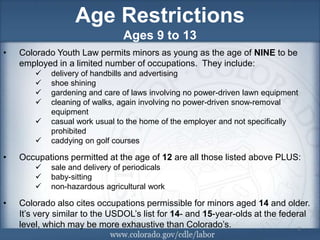
Credit: www.slideshare.net
Enforcement And Reporting Violations
Enforcing labor laws for minors in Colorado protects young workers from unfair treatment. The state has rules to make sure minors work safely and fairly. These rules require employers to follow strict guidelines about hours, tasks, and conditions.
Reporting violations helps keep workplaces safe for minors. It holds employers accountable for breaking labor laws. Colorado has clear steps for minors, parents, and others to report any problems.
How Labor Laws Are Enforced In Colorado
The Colorado Department of Labor and Employment oversees labor law enforcement. Inspectors visit workplaces to check compliance. They review work hours, breaks, and job types allowed for minors.
Employers who break the rules can face fines and penalties. Repeat violations may lead to legal action. Enforcement ensures minors do not work in unsafe or illegal conditions.
Steps To Report Labor Law Violations
Anyone can report a labor law violation involving minors. Reports can be made online, by phone, or by mail. Providing details like employer name, location, and violation type helps.
Reports are confidential to protect minors and whistleblowers. The department investigates every complaint carefully. Quick reporting can prevent harm to other young workers.
Rights Of Minors And Parents In Reporting
Minors have the right to safe work conditions and fair treatment. Parents can report violations on their child’s behalf. Both can ask for help without fear of retaliation.
The law protects young workers from employer punishment for reporting. This encourages a safe and respectful workplace for all minors.

Credit: www.postercompliance.com
Frequently Asked Questions
What Are The Age Requirements For Minors To Work In Colorado?
Minors must be at least 14 years old to work in most jobs in Colorado. Some jobs allow younger children with special permits. The law aims to protect young workers while giving work opportunities.
How Many Hours Can Minors Legally Work On School Days?
Minors aged 14-15 can work up to 3 hours on school days. Those 16-17 have fewer restrictions and can work longer hours. Limits help balance work and education.
Are There Restrictions On The Types Of Jobs Minors Can Do?
Yes, minors cannot work in hazardous jobs like mining or heavy machinery. The law lists prohibited jobs to keep minors safe. Safe work environments are a priority.
Do Minors In Colorado Need Work Permits Or Parental Consent?
Minors under 16 usually need a work permit from school or government. Parental consent is often required to prove permission. These rules help ensure minors work legally.
What Are The Breaks And Rest Rules For Working Minors?
Minors must get a 30-minute break if working more than 5 hours. Employers must provide rest to prevent overwork and fatigue. Breaks help maintain health and focus.
Conclusion
Understanding Colorado’s labor laws helps protect young workers’ rights. Minors should know their allowed work hours and job types. Employers must follow these rules to keep work safe and fair. Staying informed prevents legal problems and promotes a good work experience.
Everyone benefits when laws are respected and followed. Keep learning about these rules to stay safe and succeed.

Ismail Hossain is the founder of Law Advised. He is an Divorce, Separation, marriage lawyer. Follow him.