Labor Laws in Illinois for Salaried Employees: Essential Rights Uncovered
Are you a salaried employee working in Illinois? Knowing your rights under the state’s labor laws is crucial to protecting your paycheck and your work-life balance.
Whether it’s understanding overtime rules, breaks, or how your salary affects your benefits, this information can make a big difference in your job satisfaction and security. Keep reading to discover what Illinois law means for you and how to make sure you’re treated fairly at work.

Credit: www.wsiu.org
Salaried Employee Classification
Salaried employee classification defines who counts as a salaried worker under Illinois law. It affects pay rules, work hours, and benefits. Understanding this classification helps employees know their rights and employers follow laws correctly.
This classification depends on the type of work, salary level, and job duties. Salaried employees usually earn a fixed amount each pay period, no matter how many hours they work. Not all salaried employees have the same protections under the law.
Salaried Vs. Hourly Employees
Salaried employees get a regular paycheck. Hourly employees get paid based on hours worked. Salaried workers often have set responsibilities beyond counting hours. Hourly workers track time closely and get overtime pay.
Exempt And Non-exempt Salaried Employees
Exempt salaried employees do not get overtime pay. They meet specific job duties and salary tests set by law. Non-exempt salaried employees qualify for overtime even if paid a salary. Their job duties do not meet the exemption criteria.
Salary Threshold In Illinois
Illinois follows federal rules for salary thresholds. Employees must earn at least $684 per week to be exempt. Salaried workers below this amount usually get overtime pay. State laws can add extra protections beyond federal rules.
Job Duties Affecting Classification
Job duties decide if a salaried employee is exempt. Executive, administrative, and professional roles often qualify. Simple or manual tasks usually do not. The law looks at real work, not just job titles.

Credit: malawillinois.com
Minimum Wage And Overtime Rules
Understanding minimum wage and overtime rules is crucial for salaried employees in Illinois. These laws protect workers by ensuring fair pay for hours worked. The rules define how much employers must pay and when overtime pay applies.
Illinois has set clear standards for minimum wage and overtime. These standards affect most salaried workers, depending on their job duties and salary level. Knowing these rules helps employees check if they receive correct pay.
Minimum Wage Requirements For Salaried Employees
Illinois sets a minimum wage that applies to most workers. For salaried employees, the salary must meet or exceed a specific amount. This amount ensures workers earn at least the minimum hourly wage when their salary is divided by hours worked.
If a salaried employee earns less than the minimum wage rate, the employer must pay extra to meet the minimum wage. This protects employees from being underpaid.
Overtime Pay Rules In Illinois
Overtime pay applies to many employees who work over 40 hours a week. Illinois law requires paying 1.5 times the regular pay rate for these extra hours. For salaried workers, overtime pay depends on whether they qualify as exempt or non-exempt under the law.
Non-exempt salaried employees must receive overtime pay. Exempt employees, such as certain managers or professionals, usually do not get overtime. The rules about exemption depend on job duties and salary levels.
Paid Leave And Time Off
Paid leave and time off are important rights for salaried employees in Illinois. These benefits help workers balance their jobs and personal lives. Understanding these laws ensures employees know their options for rest and recovery.
Illinois law provides various types of paid leave. Some are required by state rules, while others depend on the employer’s policies. Knowing the difference can help employees plan their time off wisely.
Paid Sick Leave
Illinois requires most employers to offer paid sick leave. Employees earn at least one hour of sick leave for every 40 hours worked. Workers can use this leave for health reasons or to care for family members.
Vacation Time
Vacation policies vary by employer. Illinois law does not require paid vacation. Employers may set rules on how and when employees can take vacation days. Employees should check their contracts or handbooks for details.
Family And Medical Leave
Illinois follows the federal Family and Medical Leave Act (FMLA). It provides unpaid, job-protected leave for serious health issues or family care. Some employers may offer paid leave on top of this federal right.
Holidays And Personal Days
Paid holidays depend on the employer. Illinois does not mandate paid holidays. Employers often grant days off for major holidays or personal events. Employees should confirm holiday policies with their employer.
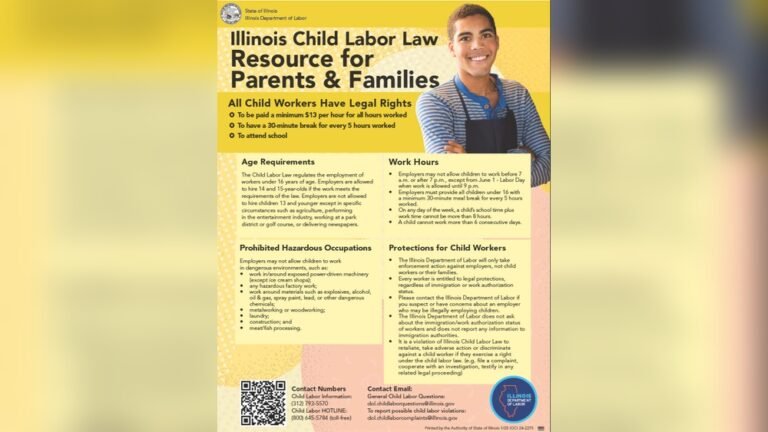
Credit: labor.illinois.gov
Workplace Safety And Health
Workplace safety and health are critical for salaried employees in Illinois. Employers must provide a safe environment. This helps prevent injuries and illnesses at work. The laws protect workers and set clear safety standards.
Illinois follows federal and state rules to ensure safety. These rules apply to all workplaces, including offices and factories. Employers must train workers on safety practices. They must also fix hazards quickly.
Occupational Safety And Health Administration (osha) Standards
OSHA sets safety rules for workplaces across the U.S. Illinois workplaces follow these standards strictly. Employers must keep work areas clean and safe. They must provide proper equipment and training.
OSHA also requires reporting of serious injuries. This helps track workplace hazards. Regular inspections may occur to enforce rules. Workers can report unsafe conditions without fear.
Employer Responsibilities For Workplace Safety
Employers must identify and reduce risks at work. They must create safety plans and emergency procedures. Providing safety gear is essential for many jobs. Employers must also keep records of injuries.
Training workers about safety rules is mandatory. This includes teaching how to use equipment correctly. Employers should encourage workers to report dangers. Taking quick action prevents accidents and injuries.
Employee Rights And Safety Protections
Employees have the right to a safe workplace. They can refuse unsafe work without punishment. Workers may request safety inspections from OSHA. They should report injuries and unsafe conditions promptly.
Employees can participate in safety meetings and training. They have the right to receive safety information. Being aware of rights helps workers stay protected. Safety is a shared responsibility between workers and employers.
Anti-discrimination Protections
Anti-discrimination protections are vital for salaried employees in Illinois. These laws help create a fair workplace. They stop unfair treatment based on personal traits. Every worker deserves respect and equal opportunity.
Illinois law prohibits discrimination based on race, gender, age, and disability. It also covers religion, national origin, and sexual orientation. These rules apply to hiring, pay, promotions, and firing. Employers must treat all employees fairly.
Employees facing discrimination can file complaints with state agencies. These agencies investigate and enforce the law. Workers may also seek legal help to protect their rights. Knowing these protections helps employees feel safe and valued.
Protected Classes Under Illinois Law
Illinois protects many groups from workplace discrimination. This includes race, color, and sex. Age protection applies to workers 40 and older. Disability laws cover physical and mental conditions. Religion and national origin are also protected. Sexual orientation and gender identity have coverage too. These rules ensure diversity and fairness.
Employer Responsibilities
Employers must provide a workplace free from discrimination. They must train managers and staff on these laws. Clear policies should be in place and shared. Prompt action is required if discrimination claims arise. Employers must avoid retaliation against complainants. Compliance keeps the work environment respectful.
Employee Rights And Remedies
Employees have the right to report discrimination safely. They can contact the Illinois Department of Human Rights. Filing a charge starts an investigation. Remedies include job reinstatement, back pay, and damages. Legal support is available for serious cases. These rights help protect employees’ dignity and jobs.
Employee Rights To Privacy
Employee privacy rights protect workers from unfair monitoring and searches. In Illinois, these rights help balance employer interests and personal space. Salaried employees have specific protections under state laws that limit employer access to personal information and activities.
Understanding these rights helps employees maintain their privacy at work. It also guides employers on lawful practices. Privacy rights cover areas like electronic communications, personal belongings, and off-duty conduct.
Privacy Of Electronic Communications
Illinois law limits employer access to emails, messages, and phone calls on work devices. Employers must notify employees if they monitor electronic communications. Personal emails and texts are protected unless the employer has a clear policy stating otherwise.
Protection Of Personal Belongings
Employers cannot search personal items without consent. Bags, lockers, and desks usually belong to employees, even on company property. Any search must respect privacy and follow company rules or legal procedures.
Off-duty Conduct And Privacy
Workers have rights to privacy outside work hours. Employers cannot punish employees for legal activities done off duty. This includes social media posts and private life choices unrelated to job performance.
Frequently Asked Questions
What Defines A Salaried Employee Under Illinois Labor Laws?
A salaried employee in Illinois gets paid a fixed amount, not by hours worked. This salary covers all regular work hours and tasks assigned.
Are Salaried Employees Entitled To Overtime Pay In Illinois?
Most salaried workers in Illinois do not get overtime pay. Exceptions exist for some job types under state and federal rules.
How Many Hours Can Salaried Employees Work Without Overtime?
Illinois law follows federal limits, meaning salaried workers can work over 40 hours weekly without extra pay. Some jobs have different rules.
What Breaks Are Salaried Employees Entitled To In Illinois?
Illinois law does not require paid breaks for salaried employees. Employers may still offer meal or rest breaks voluntarily.
Can An Employer Change A Salaried Employee’s Pay Without Notice?
Employers must inform salaried employees before changing their pay. Notice helps employees plan and understand their new salary terms.
What Protections Exist Against Salary Deductions In Illinois?
Illinois law limits when employers can deduct from salaried pay. Deductions must be legal, such as taxes or agreed benefits.
Conclusion
Understanding Illinois labor laws helps protect your rights as a salaried employee. These laws set clear rules on work hours, pay, and leave. Knowing your rights makes work fair and safe. Employers must follow these rules, and employees should stay informed.
Stay aware and ask questions if unsure. This knowledge supports a better work life for everyone.

Ismail Hossain is the founder of Law Advised. He is an Divorce, Separation, marriage lawyer. Follow him.