
Labor Laws in Ohio for Salary Employees: Essential Rights Uncovered
Are you a salaried employee in Ohio wondering what your rights are at work? Understanding labor laws can feel confusing, but knowing the rules that protect you is crucial.
This article breaks down the key Ohio labor laws that affect your salary, work hours, overtime, and more. By the end, you’ll have clear answers to your questions and feel more confident about your workplace rights. Keep reading to discover what every salaried employee in Ohio needs to know.
Salary Employee Classification
Understanding salary employee classification is important for both employers and workers in Ohio. It helps define pay rules, work hours, and benefits. This classification affects how workers are paid and what labor laws apply to them.
Ohio follows federal laws but also has its own rules. These rules protect workers and guide employers on fair pay and work conditions. Knowing the difference between exempt and non-exempt status is key.
Exempt Vs Non-exempt Status
Exempt employees do not get overtime pay. They earn a fixed salary for their job duties. Non-exempt employees get paid hourly and must receive overtime after 40 hours per week.
Exempt status depends on job duties and salary level. Most salary employees fall under exempt if they meet certain rules. Non-exempt employees get extra pay for extra work.
This distinction affects paycheck amounts and work schedules. Employers must classify employees correctly to follow labor laws and avoid fines.
Criteria For Salary Employees In Ohio
To be a salary employee in Ohio, workers must meet specific tests. These include how much they earn and what duties they perform. The salary threshold follows federal minimums.
Job duties must involve executive, professional, or administrative tasks. These roles usually require decision-making or specialized knowledge. Simple or manual tasks usually mean non-exempt status.
Employers must pay salary employees a set amount each pay period. This pay does not change with hours worked. Meeting these criteria defines salary employee status in Ohio.
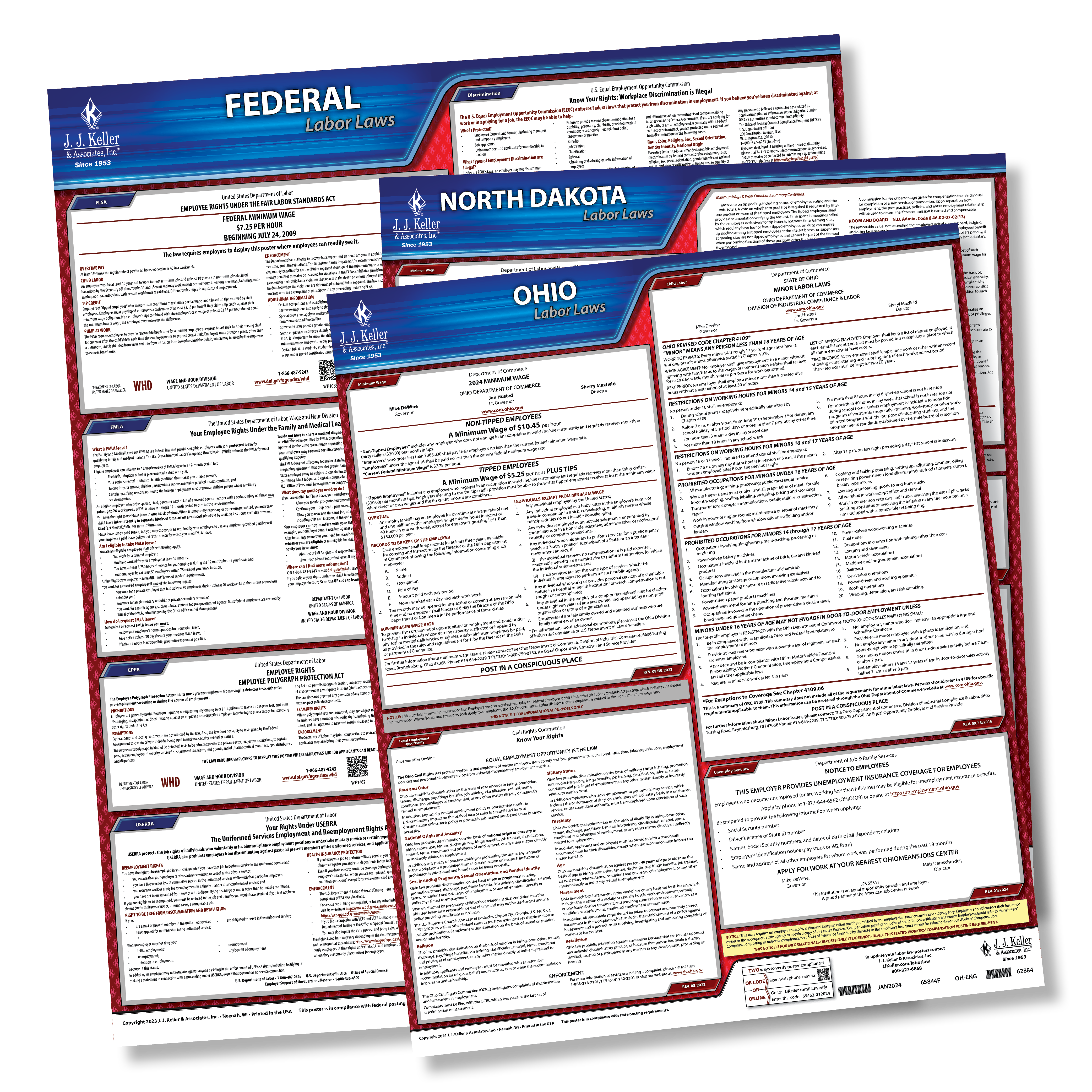
Credit: www.jjkellerlaborlawposters.com
Wage And Hour Regulations
Wage and hour rules help protect salary employees in Ohio. These laws tell employers how to pay workers fairly. They cover how many hours employees work and what pay they must receive. Understanding these rules helps workers know their rights. It also guides employers on how to follow the law.
Ohio follows federal rules but has some state-specific details. Salary employees must meet certain standards for pay and work hours. Employers must track hours and pay overtime when needed. These rules ensure salary workers receive fair compensation for extra work.
Overtime Pay Rules
In Ohio, most salary employees get overtime pay for working more than 40 hours a week. Overtime pay equals one and a half times the regular hourly rate. Some workers are exempt from overtime based on job duties. Employers must know which employees qualify for overtime. Paying overtime when required prevents legal problems.
Tracking hours is important, even for salary workers. If an employee works extra hours, employers must calculate overtime pay. This protects workers from being underpaid. Salary alone does not always cover overtime hours. Proper payment keeps work fair and legal.
Minimum Salary Thresholds
Ohio uses a salary threshold to decide overtime eligibility. Employees must earn a minimum salary to be exempt from overtime. The federal minimum salary for exemption is $684 per week. Ohio follows this rule but may have updates to check. Employees paid below this amount usually get overtime pay.
Salary employees earning less than the threshold get overtime for extra hours. Those earning more may be exempt if their job duties fit the law. Employers must meet both salary and job duty tests. This ensures correct classification and pay for salary workers.
Leave And Time Off
Understanding leave and time off is important for salary employees in Ohio. These rules help workers know their rights and what to expect from their employers. Ohio offers specific protections around paid sick leave and family medical leave. These laws help employees take needed time off without losing their jobs or pay.
Paid Sick Leave Laws
Ohio does not have a statewide law requiring paid sick leave for all workers. Some cities in Ohio may have their own rules. Employers may offer paid sick leave as a benefit. This leave allows employees to recover from illness or care for sick family members. Salary employees should check their company policies for details on paid sick leave.
Family And Medical Leave Rights
The federal Family and Medical Leave Act (FMLA) applies in Ohio. It gives eligible employees up to 12 weeks of unpaid leave per year. This leave can be for personal or family illness, childbirth, or adoption. Employees must work for a covered employer and meet certain criteria. During FMLA leave, job protection is guaranteed. Salary workers should notify employers early when needing family or medical leave.

Credit: globalsquirrels.com
Workplace Protections
Workplace protections in Ohio help keep salary employees safe and treated fairly. These laws make sure workers face no unfair treatment at work. They also protect employees who speak up about problems. Understanding these protections helps workers know their rights.
Ohio’s labor laws aim to create a fair and respectful work environment. They cover many areas, including discrimination and retaliation. These rules give employees the confidence to work without fear.
Anti-discrimination Measures
Ohio law stops discrimination based on race, gender, age, or disability. Employers cannot treat salary workers unfairly because of these traits. This applies to hiring, pay, promotions, and firing. The law also protects workers from harassment in the workplace. Every employee deserves respect and equal opportunity. Ohio’s rules help keep workspaces free from bias.
Retaliation And Whistleblower Protections
Workers who report illegal activities or safety issues get protection from retaliation. Ohio law forbids employers from punishing employees for speaking out. This includes firing, demotion, or any unfair actions. Whistleblowers play a key role in keeping workplaces honest. The law ensures they can report problems without fear. Employees feel safer knowing these protections exist.

Credit: www.thefriedmannfirm.com
Frequently Asked Questions
What Are The Salary Thresholds For Exempt Employees In Ohio?
Ohio follows the federal salary thresholds set by the Fair Labor Standards Act. Employees earning above $684 per week usually qualify as exempt from overtime pay.
How Does Ohio Define A Salaried Employee Under Labor Laws?
A salaried employee in Ohio is paid a fixed amount regularly, not by the hour. This pay structure often affects overtime eligibility.
Are Overtime Rules Different For Salaried Employees In Ohio?
Salaried employees may still earn overtime if they do not meet exemption criteria. Ohio follows federal rules on overtime pay for non-exempt employees.
Can Ohio Employers Deduct Pay From Salaried Employees?
Employers can only deduct pay in limited situations, like absences or disciplinary actions. Improper deductions may violate Ohio labor laws.
What Protections Do Ohio Labor Laws Offer Salaried Workers?
Ohio laws protect salaried employees from unpaid overtime and unlawful deductions. Workers have the right to fair wages and workplace rights.
Conclusion
Understanding Ohio’s labor laws helps salary employees know their rights. These laws protect workers from unfair pay and long hours. Staying informed avoids confusion and problems at work. Employers must follow these rules to keep a fair workplace. Workers should speak up if they feel treated unfairly.
Knowing your rights makes work safer and fairer. Keep learning about changes in laws to stay updated. A fair job means respect and clear rules for all.

Ismail Hossain is the founder of Law Advised. He is an Divorce, Separation, marriage lawyer. Follow him.