Landlord Tenant Laws in Arkansas: Essential Rights & Responsibilities
If you’re renting out property or planning to become a landlord in Arkansas, knowing your rights and responsibilities is crucial. Understanding landlord tenant laws can protect your investment and help you avoid costly mistakes.
Whether you’re dealing with lease agreements, security deposits, or eviction processes, this guide will give you clear, straightforward answers. Keep reading to learn what you need to know to manage your rental smoothly and stay on the right side of the law.
Tenant Rights In Arkansas
Tenant rights in Arkansas protect renters from unfair treatment. These laws ensure tenants live in safe homes. Tenants also have privacy rights and protection from discrimination. Understanding these rights helps renters feel secure and respected.
Right To Safe Housing
Arkansas landlords must provide safe, livable housing. This means the home must have working plumbing, heat, and electricity. The property should be free from hazards like mold or pests. Landlords must fix problems quickly after notice.
Privacy And Entry Rules
Tenants have the right to privacy in their homes. Landlords cannot enter without notice except in emergencies. Usually, landlords must give at least 24 hours’ notice. Entry should be at a reasonable time and for a valid reason.
Protection Against Discrimination
Arkansas law bans discrimination in renting homes. Landlords cannot refuse tenants based on race, religion, or gender. They also cannot discriminate due to family status or disability. Tenants have the right to equal treatment under the law.
Landlord Obligations
Landlords in Arkansas have clear responsibilities to keep rental homes safe and livable. These duties help protect tenants and ensure the property stays in good condition. Understanding these obligations helps landlords avoid legal problems and keep tenants happy.
Maintaining Property Conditions
Landlords must keep rental properties clean and safe. They must follow local health and safety codes. This includes providing working plumbing, heating, and electrical systems. The property should be free from pests and hazards. Regular inspections help catch problems early.
Handling Repairs And Maintenance
Landlords are responsible for fixing issues that affect habitability. Repairs should be done quickly after tenants report problems. This includes leaks, broken appliances, and structural damage. Landlords should use licensed professionals for major repairs. Tenants must be informed about repair schedules.
Legal Notice Requirements
Landlords must give tenants proper written notice for certain actions. Notices include rent increases, lease termination, or entry to the property. Arkansas law sets specific time frames for these notices. For example, a 30-day notice is common for ending a month-to-month lease. Clear communication helps avoid disputes.
Lease Agreements And Terms
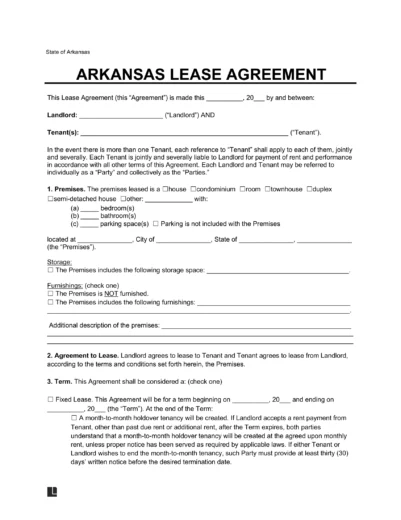
Lease agreements set the rules for renting property in Arkansas. They explain the rights and duties of landlords and tenants. Clear lease terms help avoid confusion and disputes later.
Understanding lease agreements is key for both parties. These documents define how long the rental lasts, the rent amount, and other important details.
Essential Lease Provisions
Every lease should include certain basic provisions. The landlord’s and tenant’s full names must be listed. The rental property’s address should be clear and exact.
The lease must state the rent amount and due date. It should also explain how and where to pay rent. The security deposit amount and conditions for its return belong here too.
Lease agreements must include the rental period. Rules about pets, maintenance, and property use should be part of the lease. The lease should also describe what happens if either party breaks the agreement.
Fixed-term Vs. Month-to-month Leases
Fixed-term leases last for a set time, usually six or twelve months. They offer stability since rent and terms stay the same during this period. Ending a fixed-term lease early may lead to penalties.
Month-to-month leases continue until either party gives notice to end it. Rent and terms can change more easily with proper notice. This type of lease offers flexibility but less security for both sides.
Choosing the right lease depends on your needs. Fixed-term leases suit tenants wanting longer stays. Month-to-month leases work well for short or uncertain rental periods.

Credit: ipropertymanagement.com
Rent Payments And Deposits
Rent payments and deposits are key parts of renting a home in Arkansas. These rules protect both landlords and tenants. They set clear limits on how much money landlords can ask for before and during the lease.
Understanding these rules helps avoid confusion and disputes. Tenants know their rights. Landlords understand their duties. Below are important details about security deposits, late fees, and rent increases in Arkansas.
Security Deposit Limits
Arkansas law limits the amount landlords can charge for a security deposit. The maximum is usually equal to one month’s rent. This money covers unpaid rent or damages after the tenant moves out.
Landlords must return the deposit within 60 days after the tenant leaves. They must provide a written list of any damages deducted from the deposit. If damages exceed the deposit, the landlord can ask the tenant for the extra cost.
Late Fees And Rent Increases
Late fees in Arkansas cannot be charged until rent is five days late. The fee must be reasonable and stated in the lease agreement. Excessive fees are not allowed by law.
Rent increases must follow the lease terms. If the lease is month-to-month, landlords must give tenants 30 days’ notice before raising rent. For fixed leases, rent cannot increase until the lease ends unless both parties agree.
Eviction Process In Arkansas
The eviction process in Arkansas is a legal way for landlords to remove tenants. It starts when a tenant breaks the lease rules or does not pay rent. Landlords must follow specific steps before they can evict a tenant. These rules protect both landlords and tenants. Understanding the eviction process helps avoid problems.
Grounds For Eviction
Nonpayment of rent is the most common reason for eviction. Tenants may also be evicted for breaking lease rules. Examples include damaging property or disturbing neighbors. Illegal activities on the rental property are also grounds for eviction. Landlords must have a valid reason to start eviction.
Legal Steps For Eviction
First, the landlord must give a written notice to the tenant. The notice period depends on the eviction reason. If the tenant does not fix the problem or leave, the landlord files a court case. A judge will hear both sides and decide. Only a court order allows the landlord to remove the tenant.
Tenant Defenses
Tenants can fight eviction in court. They can show they paid rent or did not break rules. Sometimes landlords do not follow the correct eviction steps. Tenants may claim the landlord did not keep the property safe. Good evidence can help tenants stay in their home.

Credit: www.azibo.com
Handling Disputes
Disputes between landlords and tenants can arise in many ways. Handling these disputes calmly helps protect both parties’ rights. Arkansas has clear rules to resolve conflicts fairly and quickly.
Knowing the proper steps to take avoids costly and long legal battles. Both landlords and tenants should understand their options for resolving disagreements.
Mediation And Small Claims Court
Mediation is a way to solve disputes with a neutral third party. A mediator helps both sides talk and reach an agreement. This process is faster and less expensive than court.
Small claims court handles cases with claims usually under $5,000. It is designed for people to represent themselves without lawyers. This court offers a simple way to settle money disputes or property damage claims.
Arkansas encourages mediation before going to court to save time. Many local programs offer free or low-cost mediation services. Using these services helps avoid stress and keeps relationships intact.
When To Seek Legal Help
Legal help is necessary if disputes are complex or serious. Examples include eviction notices, lease breaches, or safety violations. A lawyer can explain rights and guide proper actions.
Seek legal advice when communication fails, or deadlines are missed. Professional help prevents costly mistakes and protects your interests. Knowing when to get a lawyer can save time and money in the long run.
Special Considerations
Arkansas landlord-tenant laws include special rules that affect both landlords and tenants. These rules cover unique situations and protect each party’s rights. Understanding these special considerations helps avoid problems and ensures fair treatment.
Rent Control And Ordinances
Arkansas does not have state rent control laws. Landlords can set rent prices freely. Local cities also do not impose rent control rules. Rent may increase at lease renewal but must follow lease terms. Tenants should check their lease for rent change rules. No law limits how much rent can rise.
Rights During Emergencies
During emergencies, Arkansas laws protect tenants and landlords. Landlords must keep rental units safe and livable. Tenants must notify landlords of urgent repairs quickly. Emergency repairs include water leaks, gas leaks, and heating failures. Landlords must fix these problems without delay. Tenants may have rights to withhold rent if repairs fail. Both parties should communicate clearly during emergencies.
Credit: legaltemplates.net
Frequently Asked Questions
What Are The Key Landlord Responsibilities In Arkansas?
Landlords must keep rental homes safe and in good repair. They must follow health and building codes. Promptly fixing problems is required by law.
How Much Notice Must Landlords Give Before Eviction?
Landlords must give a written notice of at least 3 days for nonpayment. For other lease violations, a 10-day notice is common. The eviction process follows these notices.
What Rights Do Tenants Have For Security Deposits?
Tenants can get their security deposit back within 30 days after moving out. Deductions are allowed for damages beyond normal wear and tear. Landlords must provide an itemized list if money is withheld.
Can Landlords Increase Rent Anytime In Arkansas?
Landlords can raise rent but must give a 30-day written notice before the change. Rent increases cannot violate lease terms. No rent control laws limit how much rent can rise.
Are Verbal Rental Agreements Valid In Arkansas?
Yes, verbal agreements are valid but hard to prove. Written leases are safer and clearer for both parties. They help avoid misunderstandings about rent and rules.
What Are Tenant Rights If The Property Is Unsafe?
Tenants can request repairs and withhold rent until fixed. They may also contact local health or building inspectors. Moving out without notice is allowed if conditions are dangerous.
Conclusion
Understanding Arkansas landlord tenant laws helps avoid many common problems. Both landlords and tenants have clear rights and duties. Following these laws keeps rental agreements fair and smooth. Knowing the rules protects your money and your home. Stay informed and communicate openly to solve issues fast.
This knowledge builds trust and respect between renters and owners. Keep learning to handle rental situations with confidence. Simple steps lead to better living and renting experiences.

Ismail Hossain is the founder of Law Advised. He is an Divorce, Separation, marriage lawyer. Follow him.