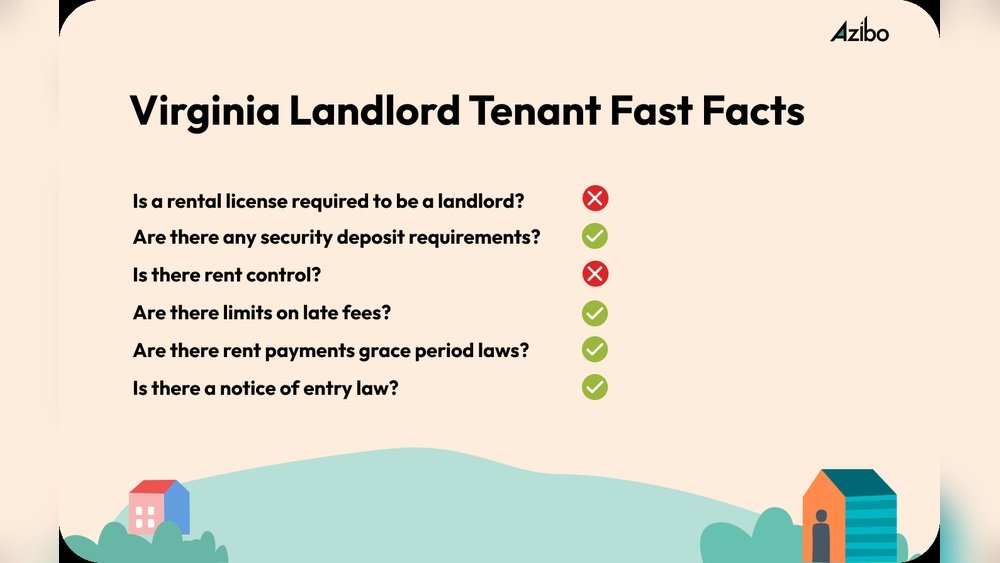
New Landlord Tenant Laws in Virginia: What You Must Know Now
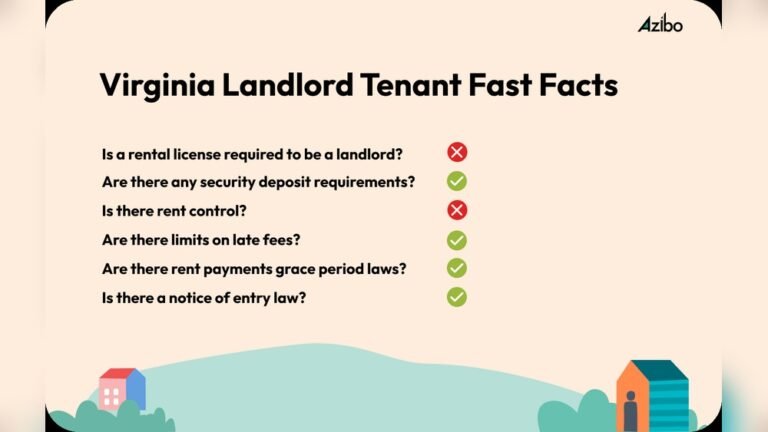
If you’re a landlord or tenant in Virginia, it’s crucial to know about the new landlord-tenant laws that could affect your rights and responsibilities. These changes bring important updates on everything from eviction rules to payment receipts and protections for crime victims.
Whether you rent out property or are searching for a place to live, understanding these laws will help you avoid costly mistakes and protect your interests. Keep reading to discover exactly what’s new and how these laws might impact your next lease or rental agreement.

Credit: www.doorloop.com
Key Legal Changes
The new landlord-tenant laws in Virginia bring important changes that affect both landlords and tenants. These legal updates aim to improve fairness and clarity in rental agreements. Understanding these key legal changes helps tenants protect their rights and landlords follow the law.
Expanded Crime Victim Protections
The law now allows more tenants to end their leases early. Victims of stalking and human trafficking get protection like victims of domestic abuse and sexual violence. This change helps victims find safety without financial penalties.
New Lease Termination Rights
Tenants can terminate leases under new conditions beyond crime victim status. The law includes protections for military service members and others facing hardship. Early lease termination now requires clear notice and documentation to avoid disputes.
Updated Rental Fee Regulations
Landlords must provide written receipts for any cash or money order payments. This rule increases transparency and protects tenants from unfair charges. New limits on fees make rental costs clearer and prevent surprise expenses.
Tenant Rights And Responsibilities
Tenant rights and responsibilities in Virginia have seen important updates. These changes aim to balance protections for renters and duties for landlords.
Understanding these rights helps tenants avoid problems and ensures fair treatment during their lease.
Receipt Requirements For Cash Payments
Landlords must now give tenants written receipts for cash or money order payments. This rule covers rent and security deposits.
Receipts serve as proof of payment, protecting tenants from disputes. Tenants should always ask for a receipt after paying in cash.
Updated Statement Of Rights Form
Virginia requires landlords to use the new Statement of Tenant Rights and Responsibilities form. This form explains tenant protections clearly.
It must be provided with every new lease. Tenants should read this form carefully before signing any agreement.
Accessing Tenant Resources
Tenants can find free legal help and information through the Virginia Poverty Law Center. This non-profit offers guidance on tenant rights and eviction prevention.
Other resources include state websites that explain the Virginia Residential Landlord and Tenant Act in simple terms.
Landlord Obligations
Landlords in Virginia must follow clear rules under the new tenant laws. These laws set out specific duties to protect renters and ensure fair housing. Landlords need to understand these obligations to avoid legal issues and maintain good tenant relations.
The laws cover everything from what landlords must do before tenants move in, to how they manage lease endings and eviction processes. Staying informed helps landlords comply and treat tenants fairly.
Pre-move-in Requirements
Landlords must provide tenants with the updated Statement of Tenant Rights and Responsibilities. This document explains tenant protections and landlord duties in simple terms.
Written receipts are required for any rent or security deposit paid in cash or money order. This prevents disputes over payments later.
Landlords also need to disclose any known lead paint hazards and ensure the rental property meets health and safety codes before move-in.
Lease Non-renewal Rules
New rules require landlords to give tenants proper notice before not renewing a lease. The notice period must follow state guidelines to avoid surprises.
Landlords cannot refuse lease renewal for discriminatory reasons or to retaliate against tenants for exercising their rights. This protects tenants from unfair treatment.
Clear communication about lease renewal or non-renewal helps tenants plan their housing needs without stress.
Eviction Prevention Measures
Virginia’s laws now include steps to prevent unnecessary evictions. Landlords must provide written notices detailing reasons for eviction.
There are expanded protections for victims of domestic abuse, stalking, and trafficking. These tenants can end leases early without penalty.
Landlords should work with tenants to resolve payment issues before starting eviction proceedings. Courts encourage mediation to avoid eviction.
Credit: www.lawline.com
Resources For Disputes And Assistance
Disputes between landlords and tenants can cause stress and confusion. Virginia’s new landlord-tenant laws offer clearer rules, but conflicts may still arise. Knowing where to find help is important. Various organizations provide support and legal guidance to protect tenants and landlords alike.
Virginia Poverty Law Center Support
The Virginia Poverty Law Center helps low-income tenants understand their rights. It offers free legal advice and updates on the latest landlord-tenant laws. Tenants can access easy-to-read guides and official documents. These resources explain lease rules, eviction processes, and tenant protections.
Eviction Defense Resources
Evictions can be overwhelming and fast-moving. Virginia has eviction defense programs to assist tenants. These programs provide legal representation and advice for those facing eviction court. Tenants learn how to prepare and respond effectively. This support helps prevent wrongful evictions and housing loss.
Legal Aid And Tenant Advocacy
Legal aid organizations in Virginia offer free or low-cost help for housing disputes. Tenant advocacy groups work to ensure fair treatment in rental agreements. They assist with lease issues, repairs, and deposit disputes. These groups empower tenants to stand up for their rights confidently.

Credit: innago.com
Frequently Asked Questions
What Are The New Laws In Virginia Starting July 1st, 2026?
Starting July 1, 2026, Virginia enforces new landlord-tenant laws including lease non-renewal protections, crime victim early lease termination, and mandatory receipts for cash rent payments.
What Can Landlords Not Do In Virginia?
Landlords in Virginia cannot illegally enter rental units, refuse repairs, discriminate, charge hidden fees, or evict without proper notice. They must provide receipts for cash payments and follow tenant protection laws.
What Does A Landlord Have To Do Before A New Tenant Moves In?
A landlord must inspect the property, provide a written lease, disclose rights and responsibilities, and collect the security deposit before move-in.
What Does The Virginia Residential Landlord Tenant Act Now Apply To?
The Virginia Residential Landlord Tenant Act now applies to rental agreements, tenant rights, eviction procedures, lease renewals, and protections for crime victims. It mandates landlord obligations like providing receipts for cash payments and updated tenant rights notices.
Conclusion
Virginia’s new landlord-tenant laws bring important changes for both parties. Landlords must follow updated rules on leases and payments. Tenants gain stronger protections, especially in eviction cases and crime victim rights. Staying informed helps avoid conflicts and ensures fairness. Check official resources regularly to understand your rights and duties.
These laws aim to create safer, clearer rental experiences across Virginia.

Ismail Hossain is the founder of Law Advised. He is an Divorce, Separation, marriage lawyer. Follow him.