Property Abandonment Laws in Ohio: Essential Guide for Homeowners
Have you ever wondered what happens if a property in Ohio is left empty for a long time? Whether you own a home, rent out a building, or are thinking about buying abandoned property, understanding Ohio’s property abandonment laws is crucial.
These laws can affect your rights, responsibilities, and even your wallet. You’ll discover the key rules you need to know to protect your investment and avoid legal trouble. Keep reading to learn how property abandonment laws work and what steps you should take to stay on the right side of the law.
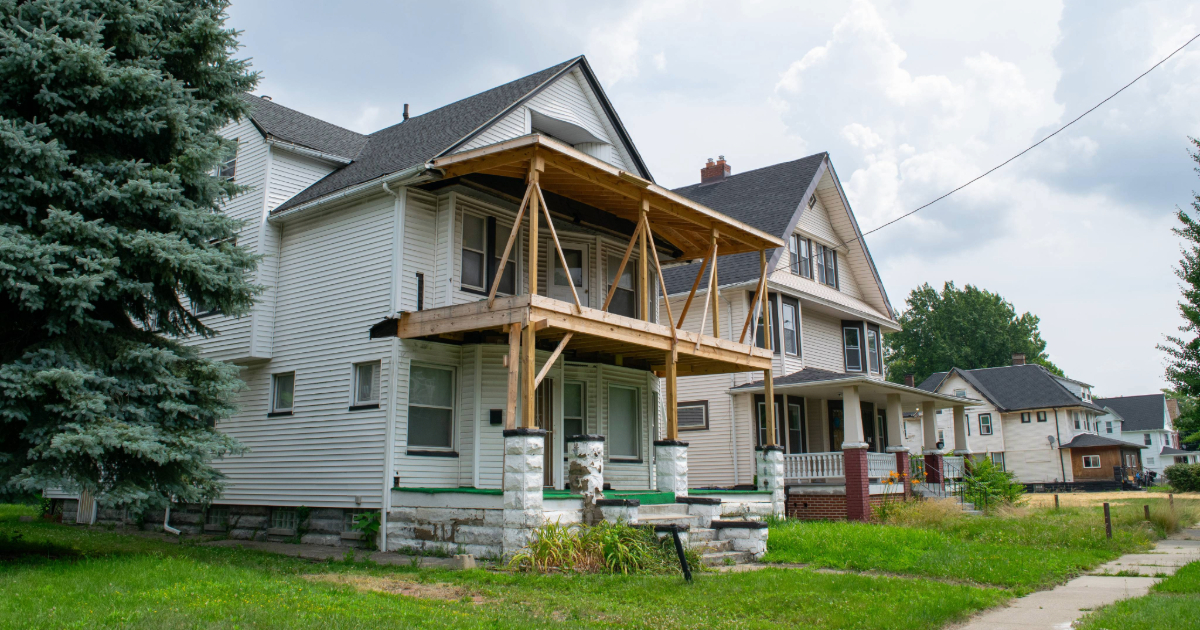
Credit: communityprogress.org
Ohio Property Abandonment Basics
Understanding property abandonment in Ohio is important for owners and tenants. Property abandonment happens when someone leaves a property without intention to return. This can affect landlords, neighbors, and local authorities.
Ohio law sets clear rules about what counts as abandonment. These rules help protect property rights and prevent misuse. Knowing the basics helps avoid legal problems and loss of property.
What Constitutes Abandonment
In Ohio, abandonment means leaving a property without plans to come back. It often involves stopping rent payments or removing personal belongings. The property may look empty or neglected. Signs include no utilities or no contact from the occupant.
Simply being away for a short time does not count as abandonment. The key is the intent to leave permanently. The property must be left in a way that shows no future use.
Legal Criteria For Abandonment
Ohio law requires specific criteria to prove abandonment. Landlords usually need evidence like unpaid rent for a set time. Notices sent to the tenant or occupant also matter. Courts look for clear proof of no intention to return.
The law requires landlords to follow certain steps before taking action. These include notifying the tenant and waiting periods. This process protects tenants and property owners alike. Knowing these legal rules prevents wrongful claims of abandonment.
Rights Of Homeowners
Homeowners in Ohio have clear rights when it comes to property abandonment. These rights help protect owners from loss or damage to their property. Understanding these rights is important. They allow homeowners to act quickly and correctly if abandonment occurs.
Protecting Your Property
Ohio law helps homeowners protect abandoned properties. Owners can secure the property to prevent vandalism or theft. They may also maintain the property by mowing lawns or making repairs. This keeps the property from falling into disrepair. Taking action early can save money and stress later.
Filing Abandonment Claims
Owners can file claims to regain control of abandoned properties. The law requires specific steps to prove abandonment. This includes notifying local authorities and following court procedures. Filing a claim helps legally establish ownership rights. It also prevents others from making false claims on the property.
Responsibilities Of Tenants
Tenants have clear duties under Ohio property laws. These duties protect both tenants and landlords. Understanding these responsibilities helps avoid legal trouble and financial loss. Staying informed about tenant responsibilities is vital for a smooth rental experience.
Lease Obligations
Tenants must follow the lease terms strictly. This includes paying rent on time every month. Leaving the property early without notice breaks the lease contract. Tenants must keep the property clean and undamaged. Reporting needed repairs to the landlord is also required. Ignoring these duties can lead to penalties or eviction.
Consequences Of Abandonment
Abandoning a rental property means leaving without telling the landlord. Ohio law treats abandonment seriously. The landlord can take legal steps to regain the property. Tenants may still owe rent after leaving. The landlord may charge fees for damages or cleaning. Abandonment can hurt a tenant’s credit score. Future landlords may see this as a red flag.
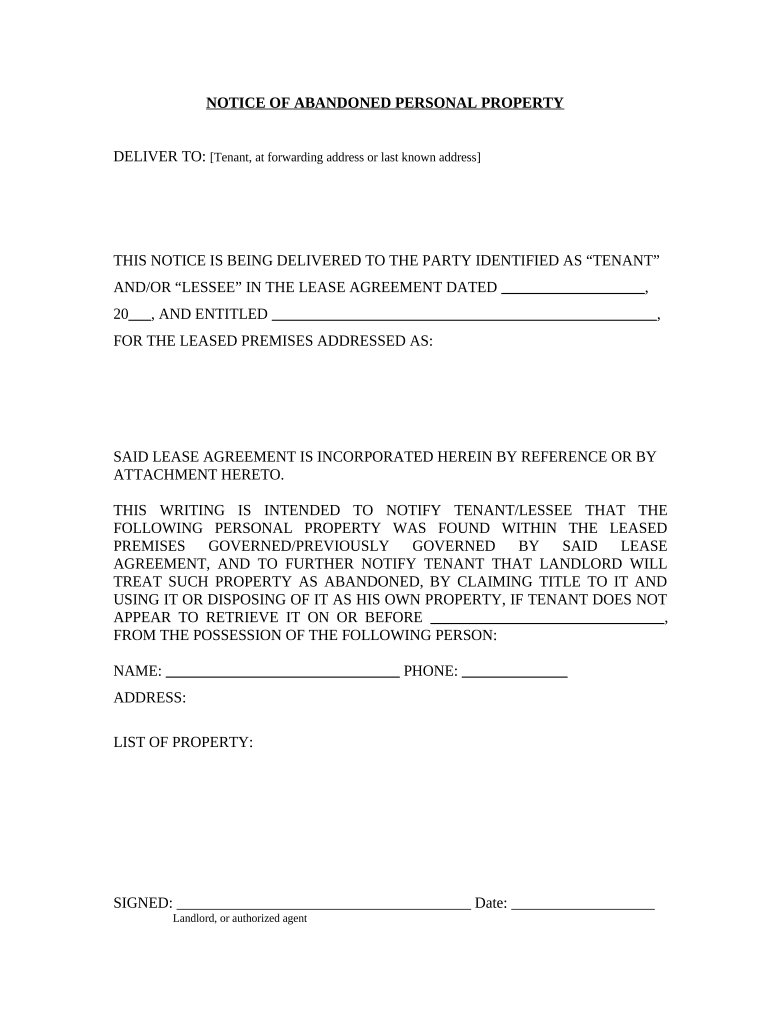
Credit: www.signnow.com
Handling Abandoned Properties
Handling abandoned properties in Ohio involves clear legal steps. These laws protect both property owners and the community. Understanding the process helps avoid legal trouble and financial loss.
Ohio laws guide the reclaiming process and the duties of owners. These rules ensure abandoned homes do not become hazards or lower neighborhood value.
Reclaiming Abandoned Homes
Reclaiming an abandoned home starts with proving ownership. The owner must notify local authorities about the property’s status. This step helps prevent the property from being claimed by others.
Next, the owner must inspect the property and make necessary repairs. Keeping the home safe and secure is important. Ohio law often requires posting notices to inform neighbors and interested parties.
If the property stays abandoned, the government may take action. This can include fines or even foreclosure in some cases. Owners should act quickly to avoid losing their rights.
Preventive Measures For Owners
Preventing abandonment starts with regular maintenance. Owners should check on their properties often. This prevents damage and keeps the home in good condition.
Securing the property with locks and alarms helps reduce vandalism and trespassing. Keeping the property clean and mowing the lawn shows it is cared for.
Communicating with neighbors or local officials can alert owners to problems early. Taking these steps reduces the chance of legal issues and protects property value.
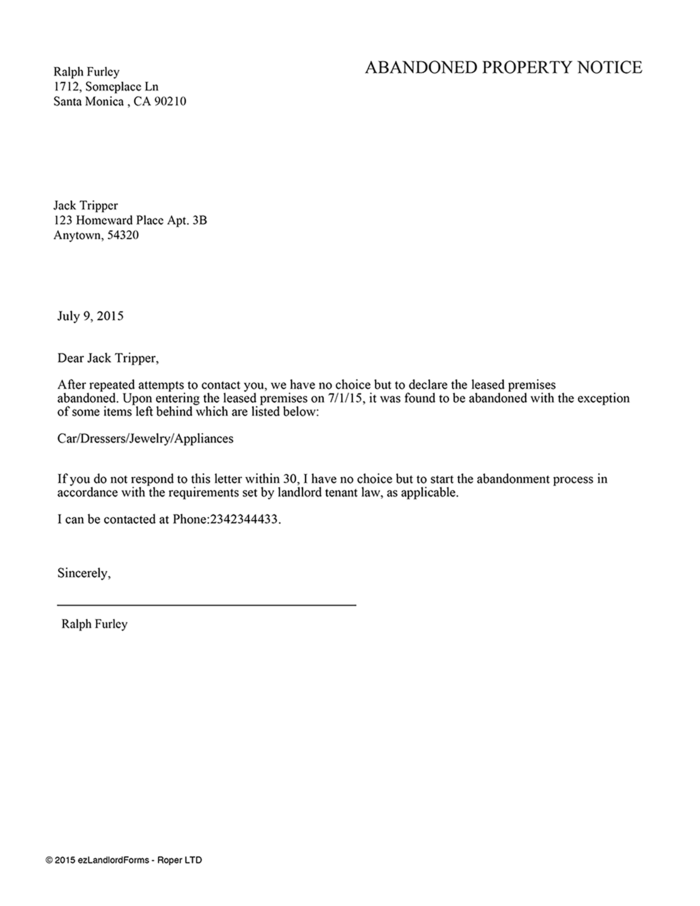
Credit: www.ezlandlordforms.com
Frequently Asked Questions
What Defines Property Abandonment Under Ohio Law?
Property abandonment in Ohio means the owner leaves without intent to return. The property stays empty and unused for a long time. This can trigger legal actions by authorities or creditors.
How Long Before Property Is Legally Abandoned In Ohio?
Ohio law typically requires property to be unused for 90 days or more. This period helps prove the owner has abandoned the property. Local rules may vary, so checking city ordinances is wise.
What Legal Actions Can Follow Property Abandonment In Ohio?
Authorities may place liens or seize abandoned properties in Ohio. Owners might lose rights if they fail to maintain or claim property. This protects communities from hazards and blight.
Can Property Owners Reclaim Abandoned Property In Ohio?
Yes, owners can reclaim property by proving ownership and intent to return. They must settle any owed taxes or fees. Quick action helps avoid losing the property permanently.
How Does Ohio Handle Abandoned Residential Versus Commercial Properties?
Residential and commercial properties face similar abandonment rules in Ohio. Both require proof of no use and intent to abandon. Different fees or procedures may apply depending on property type.
Conclusion
Understanding Ohio’s property abandonment laws helps protect your rights. These laws explain what happens when a property is left empty. Owners must follow specific steps to avoid legal trouble. Neighbors and buyers should also know these rules. They affect how properties are maintained and sold.
Knowing the laws can save time and money. Stay informed to handle abandoned properties wisely. It’s important to act quickly and legally. This knowledge benefits homeowners and communities alike.

Ismail Hossain is the founder of Law Advised. He is an Divorce, Separation, marriage lawyer. Follow him.