Property Right Of-Way Laws in Virginia: What Every Landowner Must Know
If you own property in Virginia or are thinking about buying land, understanding property right-of-way laws is essential for protecting your rights. You might wonder: Can you block someone from using an easement on your land?
Who really owns the property within a right-of-way? How wide can a right-of-way be? These questions matter because right-of-way laws affect how you use, maintain, and share your property. This guide will walk you through the key points of Virginia’s property right-of-way laws so you know what to expect, what’s allowed, and how to handle common issues.
Keep reading to learn how these laws impact your property and what steps you can take to protect your interests.

Credit: www.commonwealthcontracts.com
Types Of Rights-of-way In Virginia
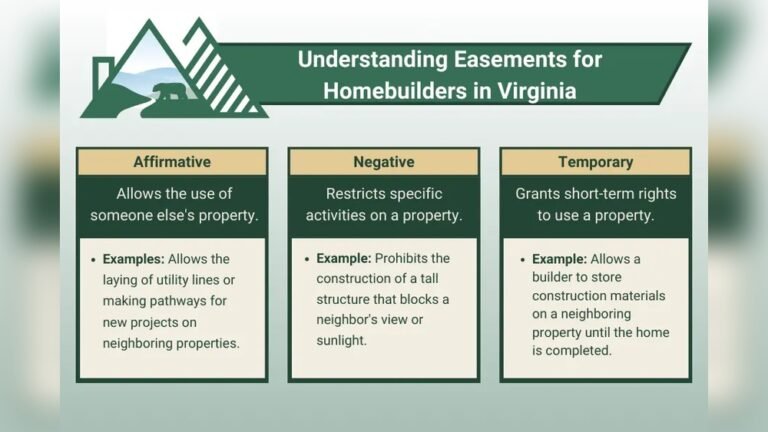
Virginia recognizes several types of rights-of-way, each with specific rules and purposes. These rights allow certain uses or access across one property for the benefit of another. Understanding the types helps property owners and users know their legal standing and limitations. The two main types commonly discussed in Virginia are Express Easements and Easements by Necessity.
Express Easements
Express easements are created by a clear, written agreement. This agreement is often part of a property deed. It grants one party the right to use another’s land for a specific purpose. The terms, such as location and use, are clearly stated. This type of easement is common for driveways, utility lines, or pathways.
The owner of the property that benefits from the easement is called the dominant estate. The owner of the property burdened by the easement is called the servient estate. Express easements provide certainty because they are documented and agreed upon by both parties.
Easements By Necessity
Easements by necessity arise when a property becomes landlocked. This means the owner has no legal access to a public road. Virginia law grants access to ensure the property can be reached. This right exists only if it is strictly necessary for access.
Unlike express easements, these are not always written down. They are created by law to avoid leaving a property unusable. This type of easement ensures fair use and protects property owners from being trapped without access.
Credit: www.templateroller.com
Rights And Restrictions For Landowners
Understanding your rights and restrictions as a landowner in Virginia is crucial when dealing with property right-of-way laws. These laws define what you can and cannot do on your land where a right-of-way exists. They protect both your interests and those of the parties using the right-of-way.
Rights-of-way often limit land use to ensure safe and legal access for others. Knowing these limits helps avoid disputes and legal issues. It also clarifies your responsibilities toward maintaining the right-of-way area.
Use And Maintenance Limits
Landowners must respect the agreed purpose of the right-of-way. Use beyond this purpose is not allowed. For example, you cannot block or restrict access if the right-of-way is for passage.
The land benefiting from the right-of-way cannot use it for activities outside the original agreement. The property owner burdened by the right-of-way must avoid actions that interfere with its use. Maintaining the right-of-way area free from obstructions is often required.
Tree And Sight Obstruction Rules
Virginia law requires property owners to remove trees or shrubs that block clear sight lines along public right-of-ways. This rule helps prevent accidents by keeping views clear for drivers and pedestrians.
Local authorities can order the removal of high grass or vegetation that poses a safety risk. Keeping the right-of-way clear protects everyone’s safety and complies with state regulations. Failure to comply may result in fines or forced removal by the government.
Public Vs Private Rights-of-way
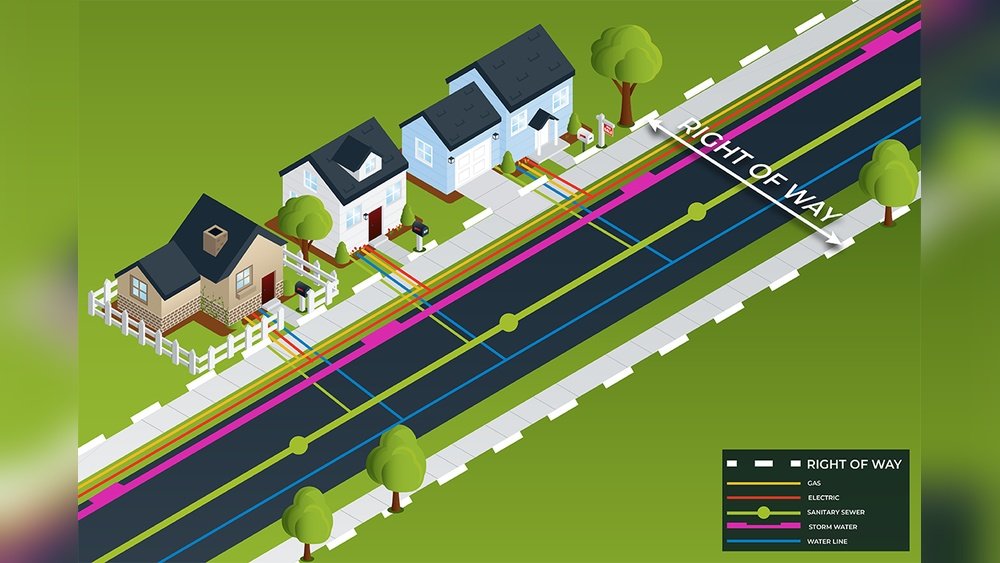
Rights-of-way define who can use certain land strips for travel or access. In Virginia, rights-of-way fall into two main categories: public and private. Public rights-of-way allow everyone to pass through roads and highways. Private rights-of-way limit access to specific people or groups. Knowing the difference helps property owners and users understand their rights and responsibilities.
Vdot’s Role And Eminent Domain
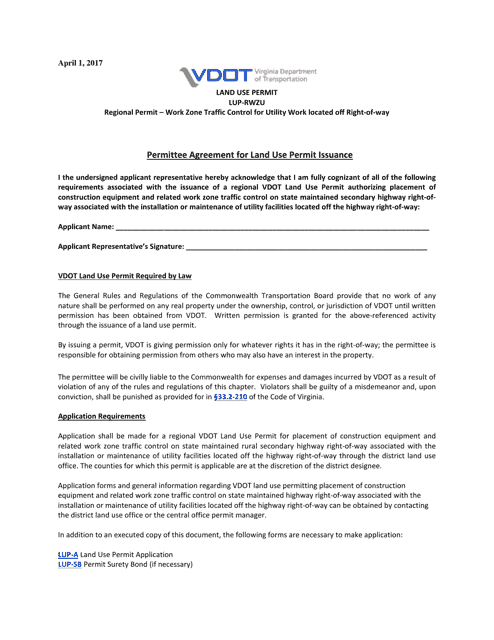
The Virginia Department of Transportation (VDOT) manages most public rights-of-way. VDOT ensures roads and highways remain safe and accessible. They maintain these paths and handle expansions or repairs. Sometimes, VDOT needs land owned by private individuals to widen roads.
In such cases, VDOT may use eminent domain. This legal power lets the government take private land for public use. Property owners must receive fair payment for their land. Eminent domain balances public needs with private property rights.
Local Regulations And Ordinances
Local governments in Virginia set rules on rights-of-way within their borders. These rules may cover road widths, usage, and maintenance. Counties and cities enforce these regulations to keep public and private rights-of-way clear and safe.
Property owners must follow local ordinances about vegetation and obstructions in rights-of-way. Removing trees or shrubs that block views helps prevent accidents. Checking local laws before making changes to a right-of-way is important.
Credit: www.nnva.gov
Easement Disputes And Resolutions
Easement disputes often arise between property owners in Virginia. These conflicts usually involve access rights and property use. Resolving these issues requires understanding state laws and property agreements. Clear communication and legal guidance help avoid costly court battles.
Property owners sometimes block or remove easements without permission. This action can lead to legal disputes and potential penalties. Easements are legal rights that allow specific uses of land, even by non-owners. Interfering with these rights violates Virginia property law and can result in lawsuits.
Blocking Or Removing Easements
Blocking an easement means preventing its use. Property owners may place fences, gates, or other barriers. Such actions often cause conflicts with those who have easement rights. Virginia law forbids removing or blocking easements without consent.
Removing an easement involves eliminating the legal right itself. This usually requires a formal agreement or court order. Simply blocking an easement does not remove the legal right. Courts may order the removal of obstacles to restore access.
Property owners should seek legal advice before blocking or removing easements. Respecting easement rights avoids disputes and legal problems. Clear written agreements help define responsibilities and use limitations.
Prescriptive Easements And Gate Issues
Prescriptive easements arise when someone uses a property openly for a long time. In Virginia, continuous use for 20 years can create this type of easement. The user gains legal rights to access or use the property without formal permission.
Gate issues are common in prescriptive easements. Landowners may install gates to control access. The gate must allow reasonable entry to the easement holder. Blocking or locking the gate can violate the easement rights.
Courts balance the rights of property owners and easement holders. Owners must maintain gates to allow easement use. Easement holders should respect property boundaries and gate rules. Proper communication helps resolve gate disputes peacefully.
Frequently Asked Questions
Can A Property Owner Block An Easement In Virginia?
A property owner in Virginia cannot block an easement without legal cause. Blocking may lead to legal disputes or court orders. Easements grant ongoing access rights, which the owner must respect.
Who Owns The Property In A Right-of-way?
The property owner holds the land under a right-of-way. The right-of-way grants others limited access, not ownership.
How Wide Is The Right-of-way In Virginia?
The right-of-way width in Virginia varies by location and purpose, typically ranging from 30 to 60 feet for public roads. Local regulations or specific easements may set different widths. Always check with local authorities or property records for exact measurements.
What Is The 3 Hour Rule In Virginia?
The 3-hour rule in Virginia requires drivers involved in accidents to report them to authorities within three hours. This ensures timely legal and insurance processes.
Conclusion
Understanding Virginia’s property right-of-way laws helps protect your land and access. Rights-of-way balance use between neighbors and public safety. Knowing easement types clarifies who can cross or maintain land. Respecting these laws avoids disputes and costly legal issues. Always check local rules or seek legal advice for complex cases.
Staying informed ensures smooth property use and good neighbor relations.

Ismail Hossain is the founder of Law Advised. He is an Divorce, Separation, marriage lawyer. Follow him.