Property Right of Way Laws in Virginia: What Every Owner Must Know
Are you a property owner or buyer in Virginia wondering about your rights when it comes to access across someone else’s land? Understanding Property Right of Way laws in Virginia is crucial to protecting your interests and avoiding costly disputes.
Whether you need to know if you can block an easement on your land, how wide a right-of-way can be, or what restrictions apply near property lines, this article has you covered. By the time you finish reading, you’ll have a clear grasp of the different types of rights-of-way, your legal rights and responsibilities, and how public and private access rules work in Virginia.
Don’t let confusion over property access catch you off guard—read on to get the facts you need to confidently manage your land and protect your property rights.

Credit: www.commonwealthcontracts.com
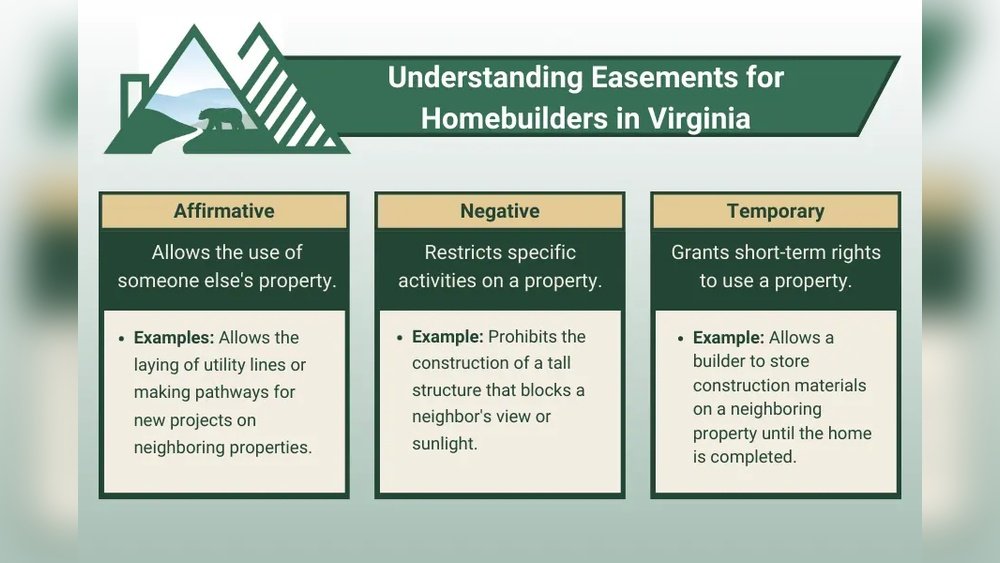
Types Of Rights-of-way
Rights-of-way define legal paths for access across property. Virginia law recognizes several types, each serving different purposes. These rights ensure that landowners or others can use portions of land for passage or utilities. Understanding these types helps protect your property and access rights.
Express Easements
Express easements are written agreements. They appear in property deeds or contracts. This easement clearly states who can use the land and for what reason. It grants the right to cross or use a specific part of the property. Both parties agree to the terms before it is recorded. This type offers clear proof of access rights.
Easements By Necessity
Easements by necessity occur when land is landlocked. If no public road connects a property, the owner gains access through another parcel. Virginia law allows this access to ensure the owner can reach their land. This right exists only when absolutely necessary for entering or leaving the property. It prevents owners from being trapped without a way out.
Credit: www.nnva.gov
Rights And Restrictions
Understanding the rights and restrictions tied to property right of way laws in Virginia is crucial for both property owners and users. These rules clarify how the land can be accessed and what limitations exist to protect everyone’s interests. Knowing these details helps avoid disputes and ensures safe and legal use of the land involved.
Use And Maintenance
The person benefiting from the right of way must use it only as agreed. Overusing or changing its purpose is not allowed. The landowner who carries the easement cannot block or damage the path. Both parties share responsibility to keep the area in good condition. Proper maintenance prevents accidents and preserves access for all users.
Tree And Sight Obstructions
Virginia law requires property owners to keep sightlines clear along rights of way. Trees, bushes, or tall grass that block views can be ordered removed. This rule helps ensure drivers and pedestrians can see clearly. Local authorities have the power to enforce these removals for safety reasons. Keeping vegetation trimmed protects everyone using the right of way.
Public Vs Private Rights-of-way
Rights-of-way in Virginia divide into two main types: public and private. Public rights-of-way allow the general public to pass through, often managed by government agencies. Private rights-of-way grant access to specific individuals or groups, usually for limited purposes. Understanding these differences helps property owners and the public know their rights and responsibilities.
Public rights-of-way often include roads, sidewalks, and utility corridors. Private rights-of-way might be paths or driveways crossing private land. Each type has distinct rules under Virginia law, affecting use, maintenance, and control.
Role Of Vdot
The Virginia Department of Transportation (VDOT) manages many public rights-of-way. It oversees roads, highways, and related infrastructure across the state. VDOT ensures these routes remain safe and accessible for everyone.
VDOT also handles permits and regulations for construction or changes near public rights-of-way. Property owners must often notify VDOT before altering land adjacent to public access areas. This helps protect the public’s right to safe passage.
Eminent Domain
Eminent domain allows the government to take private land for public use. In Virginia, VDOT or local authorities may use this power to create or widen public rights-of-way. The law requires fair payment to the property owner for the land taken.
This process ensures public projects like road expansions can proceed while respecting private property rights. Property owners have rights during eminent domain actions, including the right to contest or negotiate compensation.
Easement Disputes And Enforcement
Easement disputes often arise when one party interferes with another’s legal right to use property. These conflicts can cause tension between neighbors and lead to costly legal battles. Understanding how Virginia law handles easement enforcement helps protect property owners’ rights. Clear rules exist to resolve disagreements fairly and promptly.
Virginia courts focus on preserving the original purpose of the easement. They examine the terms of any agreements and the history of use. Enforcement actions may require removing obstacles or allowing continued access. Knowing your rights and responsibilities can prevent disputes from escalating.
Blocking An Easement
Blocking an easement means physically preventing access to the right-of-way. This may include erecting fences, placing objects, or landscaping to obstruct passage. Virginia law prohibits blocking an easement without the consent of the party who holds the right. Doing so can lead to legal action to remove the blockage.
Property owners must respect easement boundaries. Even if the easement is on their land, they cannot interfere with its use. Those affected by a blocked easement can seek a court order to restore access. Courts may also award damages if the blockage caused losses.
Prescriptive Easements
Prescriptive easements arise when someone uses another’s land openly and continuously without permission. In Virginia, this use must last for at least 20 years. The use must be obvious and uninterrupted for the entire period. Such easements create legal rights similar to written agreements.
Property owners cannot stop prescriptive easements unless they interrupt the use early. Posting signs or physically blocking access can prevent a prescriptive easement from forming. Understanding these rules helps protect landowners from losing control over their property.
Credit: www.nnva.gov
Frequently Asked Questions
Can A Property Owner Block An Easement In Virginia?
A Virginia property owner cannot block a valid easement without legal cause. Blocking may lead to legal action to restore access.
Who Owns The Property In A Right-of-way?
The property owner holds the land in a right-of-way, but others may have legal access rights through easements.
How Wide Is The Right-of-way In Virginia?
The right-of-way width in Virginia varies by road type but typically ranges from 33 to 60 feet for public roads. Local regulations may require wider easements for utilities or subdivisions. Check specific county or municipal ordinances for exact measurements.
How Close To Property Line Can I Build A Fence In Virginia?
In Virginia, you can build a fence up to your property line unless local ordinances or easements state otherwise. Always check local rules first.
Conclusion
Understanding Virginia’s property right of way laws helps protect your land and access. Know your rights and responsibilities clearly. Respecting easements avoids costly disputes and legal issues. Stay informed about local rules and property boundaries. Consult experts if you face complex property access problems.
Protect your property by following Virginia’s laws carefully. Clear knowledge makes land use safer and fairer for all.

Ismail Hossain is the founder of Law Advised. He is an Divorce, Separation, marriage lawyer. Follow him.