Rent Increase Laws in Colorado: What Every Tenant Must Know
Are you worried about your rent going up unexpectedly? Understanding rent increase laws in Colorado can protect your wallet and give you peace of mind.
Whether you’re a renter or a landlord, knowing your rights and responsibilities is key to avoiding surprises and disputes. You’ll discover exactly what the law says about how much rent can be raised, when notices must be given, and what limits exist to keep rent hikes fair.
Keep reading to take control of your housing situation and avoid costly mistakes.
Credit: legaltemplates.net
Colorado Rent Control Basics
Understanding rent control laws in Colorado is important for tenants and landlords. These laws set limits on how much rent can increase. They aim to keep housing affordable while protecting property owners.
Colorado has specific rules about rent increases. These rules vary by city and county. Some places have strict limits, while others have none.
What Is Rent Control?
Rent control limits how much a landlord can raise rent each year. It helps tenants avoid sudden and large rent hikes. Not all cities in Colorado have rent control laws.
Where Is Rent Control Allowed?
Colorado state law mostly bans rent control. But local governments can pass their own rules. Denver and Boulder have some regulations on rent increases. Many smaller towns do not have rent control.
Limits On Rent Increases
Some cities limit rent increases to a certain percentage each year. These limits protect tenants from big jumps in rent. Landlords must follow these rules or face penalties.
Notice Requirements For Rent Increases
Landlords must give tenants advance notice before raising rent. The notice time depends on how much the rent will increase. Usually, tenants get 30 to 60 days’ notice.
Exceptions To Rent Control Rules
New buildings often are not covered by rent control. Short-term rentals and special housing programs may also be exempt. Landlords can raise rent freely in these cases.
Statewide Rent Increase Limits
Statewide rent increase limits in Colorado set clear rules for landlords. These laws help protect tenants from sudden or big rent hikes. The limits apply to most rental properties across the state.
Landlords must follow these rules when raising rent. The limits aim to keep rent affordable and stable. Tenants get a fair chance to plan their finances without surprises.
Annual Rent Increase Cap
Colorado law caps rent increases to a certain percentage each year. This cap prevents landlords from raising rent too much at once. The exact percentage may change based on inflation or other factors.
For most places, the limit is around 7% plus inflation. This means landlords cannot raise rent more than that total amount in a year. It gives tenants some protection from steep rent hikes.
Notice Requirements For Rent Increase
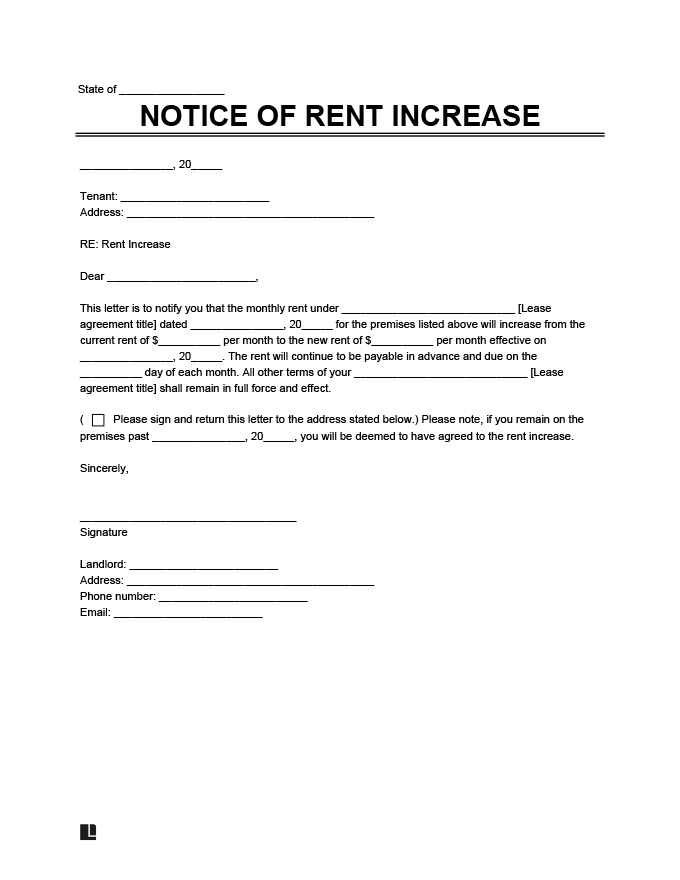
Landlords must give tenants proper notice before raising rent. The notice period depends on how much rent will increase. Usually, landlords must notify tenants at least 21 days before the change.
If the rent increase is large, the notice period may be longer. This rule helps tenants prepare and decide if they want to stay. Without proper notice, the rent increase may not be legal.
Exceptions To Rent Increase Limits
Some properties may not follow these statewide limits. For example, new buildings or small landlords might have different rules. Also, rent-controlled units have separate laws.
Landlords and tenants should check if any exceptions apply. Knowing the rules helps avoid disputes and confusion over rent changes.
Notice Requirements For Rent Hikes
Rent increase laws in Colorado include specific rules about notifying tenants. These rules protect renters by giving them enough time to prepare. Landlords must follow these notice requirements carefully. Failing to do so can make the rent increase invalid.
Notice requirements vary based on the size of the rent increase and the lease terms. Understanding these rules helps both landlords and tenants avoid disputes. It also ensures smooth communication during rent changes.
Notice Period For Rent Increases
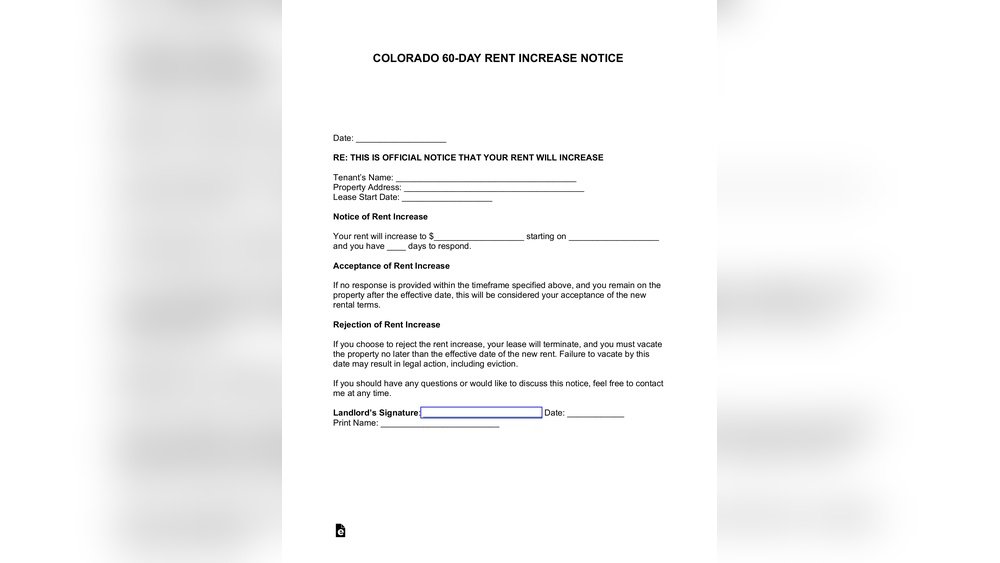
Colorado law requires landlords to give written notice before raising rent. The standard notice period is 10 days for month-to-month leases. For longer leases, landlords must check the lease terms for notice rules.
Rent increases over 10% in a 12-month period require 30 days’ notice. This longer notice helps tenants adjust to bigger cost changes. Landlords must clearly state the new rent amount in the notice.
How To Deliver Rent Increase Notices
Landlords can deliver rent increase notices by mail or in person. Some landlords use email if the tenant agrees. Notices must reach the tenant on time to be valid.
Keep proof of delivery to avoid disputes. This can be a mail receipt or a signed note from the tenant. Proper delivery shows landlords followed the law.
Exceptions To Notice Requirements
Some situations may change notice rules. For example, if the lease ends soon, landlords might not need to give full notice. Emergency repairs or special agreements can also affect timing.
Tenants should read their lease carefully. They can ask landlords for clarification on rent increase notices. Knowing exceptions helps tenants understand their rights better.

Credit: www.doorloop.com
Local Ordinances Affecting Rent
Local ordinances in Colorado add extra rules about rent increases. These rules vary by city and can limit how much landlords can raise rent. They offer tenants some protection beyond state laws.
Understanding these local rules helps renters know their rights. It also guides landlords on legal rent practices. Local ordinances often reflect community needs and housing markets.
Denver has specific rules about rent increases. Landlords must give proper notice before raising rent. The city limits how often rent can increase each year. These rules protect tenants from sudden, high rent hikes.
Boulder sets limits on rent increases annually. Landlords must follow strict notice requirements. The city also offers resources for tenant disputes. These laws help keep housing affordable and fair.
Fort Collins requires landlords to notify tenants before raising rent. The city caps how much rent can go up yearly. These protections help tenants plan their budgets better.
Local rules give tenants a stronger position in rent talks. They prevent landlords from raising rent too fast. Knowing these laws can lead to better agreements for both sides.
Tenant Rights During Rent Changes
Tenants in Colorado have specific rights when landlords change rent. Understanding these rights helps tenants prepare for any rent increase. It also ensures landlords follow the law.
Rent increase laws in Colorado protect tenants from sudden or unfair changes. These laws require landlords to give proper notice before raising rent. They also set limits on how often rent can increase.
Proper Notice For Rent Increase
Landlords must give written notice before raising rent. The notice period depends on the rental agreement and lease type. For month-to-month leases, landlords must provide at least 10 days’ notice before the next rent due date. For longer leases, notice must follow the lease terms.
Limits On Frequency Of Rent Increases
Rent cannot increase too often. Most landlords can only raise rent once every 12 months. This rule prevents landlords from raising rent multiple times a year. It gives tenants stability and time to adjust.
Rent Increase Amount Restrictions
Colorado does not have a statewide rent control law. This means no limit on how much rent can increase. Some cities may have local rules. Tenants should check local laws for extra protections.
Tenant’s Right To Challenge Rent Increases
Tenants can question rent increases they think are unfair. They can talk to landlords or seek legal advice. If the increase violates the lease or laws, tenants may refuse or negotiate.

Credit: www.doorloop.com
Steps To Challenge Illegal Increases
Challenging illegal rent increases in Colorado requires a clear plan. Tenants must know their rights and take specific steps to protect themselves. Acting quickly is key to stopping unlawful hikes.
Start by documenting everything. Keep records of rent notices, lease agreements, and communication with landlords. This evidence supports your case.
Review Colorado Rent Increase Laws
Understand the state rules on rent hikes. Colorado limits how often and how much rent can increase. Check if your landlord followed these laws.
Check Your Lease Agreement
Look at your lease for terms about rent changes. Some leases require advance notice or limit increases. Compare the landlord’s notice with your lease.
Gather Evidence
Collect all documents related to your rent. Save emails, letters, and texts from your landlord. This proof helps show if the increase was legal or not.
Contact Your Landlord
Speak with your landlord about the rent increase. Ask for clarification and explain your concerns. Sometimes, landlords may correct mistakes after a conversation.
File A Complaint With Local Authorities
Report illegal rent increases to Colorado housing agencies. They can investigate and may help resolve the issue. This step shows you are serious about your rights.
Seek Legal Advice
Consult a tenant rights attorney or legal aid group. Experts can guide you on how to challenge the rent increase. They also help prepare for possible court cases.
Consider Mediation
Mediation offers a chance to settle disputes outside court. A neutral third party helps both sides agree. This option is faster and less costly than litigation.
Frequently Asked Questions
What Are The Rent Increase Limits In Colorado?
Colorado has no statewide rent increase limits. Local cities like Denver may set their own rules. Check local laws for specific limits.
How Much Notice Must Landlords Give Before A Rent Hike?
Landlords must give written notice 10 to 30 days before rent increases. The exact time depends on lease terms and local rules.
Can Landlords Raise Rent During A Lease Agreement?
Rent usually cannot increase during a fixed lease term. In month-to-month leases, landlords can raise rent with proper notice.
Are Rent Increases Allowed During A State Of Emergency?
During declared emergencies, some cities may pause rent increases. Check local emergency rules to see if increases are temporarily banned.
What Can Tenants Do If Rent Increases Seem Unfair?
Tenants can negotiate with landlords or seek advice from local tenant groups. Legal help may be available if increases violate laws.
Conclusion
Rent increase laws in Colorado help protect tenants and landlords alike. These rules set clear limits on how much rent can rise each year. Knowing these laws can prevent surprises and keep housing affordable. Renters should always check their lease and local laws before signing.
Landlords must follow the rules to avoid legal issues. Staying informed makes renting fair and smooth for everyone involved. Understanding rent laws creates a better rental experience in Colorado.

Ismail Hossain is the founder of Law Advised. He is an Divorce, Separation, marriage lawyer. Follow him.