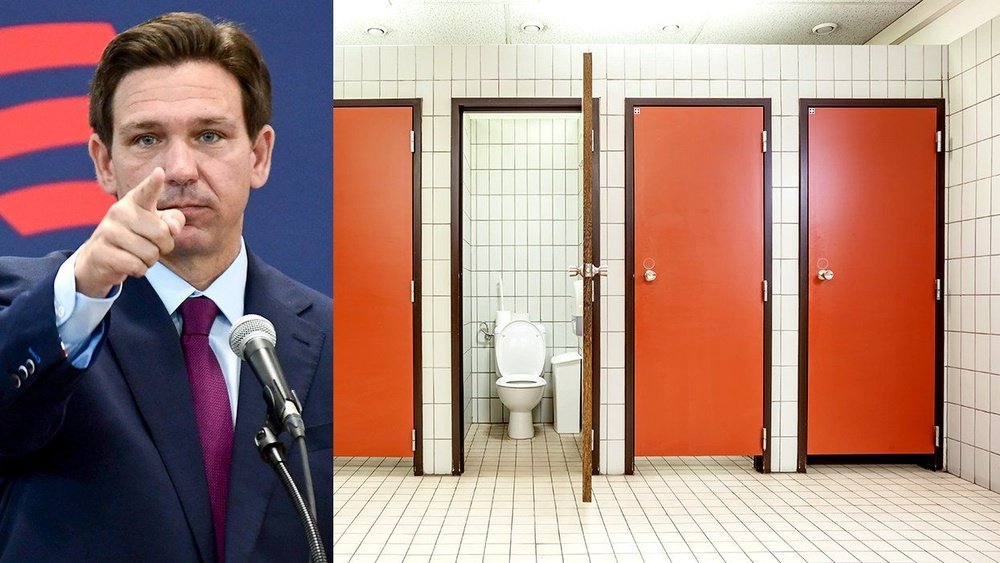
Transgender Bathroom Laws in Florida: What You Need to Know
If you’re living in Florida or just passing through, you might be wondering: what are the rules around bathroom use for transgender people? The laws here have sparked a lot of debate and confusion, and they directly affect you, whether you’re transgender, a parent, an educator, or a business owner.
Understanding Florida’s transgender bathroom laws is important because they impact access to public restrooms and changing facilities, and can influence daily life and personal rights. You’ll get clear answers about what the law says, how it’s enforced, and what it means for you and your community.
Keep reading to learn what you need to know to navigate these rules confidently and stay informed about your rights.

Credit: www.advocate.com
Florida’s Bathroom Law Basics
Florida has passed laws regulating restroom use based on biological sex. These laws aim to control who can enter bathrooms and changing facilities. The focus is on public spaces like schools, colleges, and government buildings.
The laws create strict rules for transgender individuals. They must use the restroom that matches their sex assigned at birth. This rule applies in most public settings across the state.
The law makes it an offense to enter a restroom designated for the opposite sex. If a person refuses to leave when asked by staff, they can face penalties. Enforcement applies mainly in schools and public institutions.
Institutions must have clear rules about restroom use. Repeat violations by staff or students can lead to serious consequences, including job loss in colleges.
Facility Requirements Based On Sex
Restrooms and changing rooms must be used exclusively by the sex listed on official records. Facilities must ensure that these rules are followed to comply with the law. This means separate spaces for males and females.
The law prohibits anyone from willfully entering a restroom that does not match their biological sex. This includes locker rooms, shower rooms, and similar sex-segregated areas.
Legal Resources And Rights
The full legislation is available on the Florida Senate website. The ACLU of Florida also provides detailed guides on the law’s impact. These resources help people understand their rights and the legal framework.
Public awareness is key. Knowing the law helps individuals and institutions follow the rules correctly. It also informs transgender people about their legal position in Florida.

Credit: www.wsls.com
Scope And Enforcement
The scope and enforcement of transgender bathroom laws in Florida have sparked strong debate. These laws strictly define who can use certain restrooms and facilities. They mainly focus on public places, including schools and government buildings. The rules aim to limit bathroom access based on the sex listed on a person’s birth certificate.
Enforcement measures include penalties for those who violate the law. Facility managers and employees are required to monitor compliance. Repeat violations can lead to fines or job termination. The state has set clear boundaries to ensure the law is followed closely.
Scope Of The Law
The law applies to all public restrooms, locker rooms, and changing areas. It covers government buildings, schools, and colleges. Private businesses are not directly affected but may face pressure to comply. The law restricts bathroom use to the sex assigned at birth. Non-binary and transgender individuals are not exempt from these rules.
Enforcement Procedures
Facility staff must ask individuals to leave if they use the wrong bathroom. Refusing to leave after being asked is a citable offense. Schools must include these rules in their student conduct codes. Employees who break the law more than once may lose their jobs. Law enforcement can get involved if the situation escalates.
Legal Resources And Support
The Florida Senate provides the full text of the legislation online. Organizations like the ACLU offer guides to understand the law better. These resources help affected people know their rights and responsibilities. Legal experts monitor enforcement to protect civil liberties. The public can access clear explanations to stay informed.
Impact On Schools And Public Spaces
The transgender bathroom laws in Florida affect schools and public spaces deeply. These laws restrict bathroom and changing room use to the gender assigned at birth. This impacts transgender students and residents daily.
Schools must enforce these rules in bathrooms, locker rooms, and other sex-segregated areas. Public places must also comply, creating challenges for transgender individuals. The laws raise concerns about safety, privacy, and discrimination.
Effects On Transgender Students
Transgender students face limited access to facilities that match their gender identity. This can cause stress and anxiety during school hours. Some students avoid using restrooms, risking health and well-being. School policies may lead to disciplinary actions for those who do not comply.
School Policy Changes
Schools must update codes of conduct to include bathroom rules. Staff must enforce these laws consistently across campuses. Training for teachers and administrators becomes necessary to handle conflicts. Some schools may struggle to balance legal requirements and student rights.
Challenges In Public Spaces
Public restrooms, gyms, and pools follow similar restrictions. Transgender people may feel unsafe or unwelcome using these facilities. Businesses and public venues face pressure to comply with state law. This often results in confusion and tension among patrons.
Legal And Social Consequences
Breaking the bathroom law can lead to fines or other penalties. Schools risk losing funding or facing lawsuits if they do not enforce rules. Social divisions may increase as communities debate these laws. The environment for transgender individuals becomes more hostile and uncertain.
Legal Challenges And Advocacy
Legal challenges and advocacy play a key role in the debate over transgender bathroom laws in Florida. These laws have sparked strong reactions from many groups. Courts, activists, and lawmakers all engage in ongoing battles. This fight affects the rights and safety of transgender people across the state.
Many legal cases have challenged the constitutionality of Florida’s bathroom laws. Advocates argue these laws violate civil rights and federal protections. Opponents claim the laws protect privacy and safety in public spaces. The courts continue to hear arguments from both sides. The outcomes could set important legal precedents nationwide.
Legal Battles In Florida Courts
Multiple lawsuits target the enforcement of bathroom restrictions. Plaintiffs include transgender individuals and civil rights organizations. They claim discrimination and harm caused by the laws. Judges have issued mixed rulings, with some blocking parts of the laws. Court decisions often depend on interpretations of federal law and state constitutions.
Role Of Advocacy Groups
Advocacy organizations work to protect transgender rights in Florida. Groups like the ACLU provide legal support to affected individuals. They also educate the public on transgender issues and legal rights. These groups organize campaigns and protests to raise awareness. Their efforts aim to influence policy and public opinion.
Impact On Transgender Communities
Transgender people face daily challenges due to these laws. Fear of harassment and legal penalties affects their well-being. Advocacy helps empower the community with knowledge and resources. Support networks grow stronger through legal and social activism. The ongoing fight shapes the future of transgender rights in Florida.
Comparing Florida To Other States
Transgender bathroom laws vary widely across the United States. Florida’s approach stands out in many ways compared to other states. Understanding these differences helps reveal the broader national landscape and the unique challenges faced in Florida.
Florida’s Bathroom Law Overview
Florida passed the “Safety in Private Spaces Act” recently. It requires people to use restrooms matching their sex assigned at birth. The law includes penalties for violations. Schools and public places must enforce strict rules. Repeat offenders in state colleges may face job loss. This law aims to regulate bathroom and changing room use.
States With Similar Laws
Some states like Alabama and Arkansas have similar laws. These states also restrict bathroom access based on birth sex. They focus on locker rooms and shower facilities too. Enforcement and penalties differ but share the same goal. These laws often spark debates about safety and rights.
States With More Inclusive Policies
Many states protect transgender rights in bathrooms. California and New York allow access based on gender identity. These states promote policies to prevent discrimination. Schools and businesses follow clear anti-discrimination rules. The focus is on inclusion and respect for all.
Impact On Transgender Communities
Strict laws create challenges for transgender people. They face stress and safety concerns in public spaces. Inclusive states report better mental health outcomes for transgender individuals. Laws shape daily experiences and community acceptance. The contrast shows the importance of legal protections.

Credit: www.nytimes.com
Frequently Asked Questions
Can A Transgender Woman Use A Woman’s Bathroom?
Transgender women’s bathroom use depends on local laws and policies. Some states, like Florida, restrict use based on birth sex. Others allow use aligning with gender identity. Always check specific regulations where you are.
Can A Transgender Man Use Women’s Toilets?
Transgender men generally should use men’s restrooms, but laws vary by state and location. Some places restrict bathroom use by birth sex. Always check local regulations to avoid legal issues.
What States Have Transgender Bathroom Bans?
States with transgender bathroom bans include Florida, Texas, Arkansas, Alabama, and Iowa. These laws restrict bathroom use based on birth sex.
Can Non-binary People Use Both Restrooms?
Non-binary people’s restroom use depends on local laws and facility policies. Some allow gender-neutral restrooms for all.
What Are Florida’s Current Transgender Bathroom Laws?
Florida law requires restrooms and changing facilities to be used only according to sex at birth. Entering opposite-sex facilities and refusing to leave is a citable offense. These rules apply in public schools and some public places.
Conclusion
Transgender bathroom laws in Florida remain a topic of strong debate. The state enforces rules based on sex assigned at birth. These laws affect schools, businesses, and public places. Many people feel these rules impact transgender rights and safety. Others argue they protect privacy and security.
Understanding the law helps communities navigate these challenges. Staying informed supports respectful and lawful decisions. The discussion about bathroom access will likely continue. Everyone benefits from respectful dialogue and clear information.

Ismail Hossain is the founder of Law Advised. He is an Divorce, Separation, marriage lawyer. Follow him.