Window Tint Laws in Pennsylvania: What You Need to Know Today
Are you thinking about tinting your car windows in Pennsylvania? Before you take that step, it’s important to know the rules that protect you and keep you legal on the road.
Window tint laws can be tricky, and getting it wrong might lead to fines or even safety issues. You’ll discover exactly what Pennsylvania allows, what’s off-limits, and how to choose the right tint for your vehicle. Keep reading to make sure your ride looks great—and stays within the law.
Pennsylvania Tinting Standards
Pennsylvania has clear rules about car window tinting. These rules keep drivers safe and ensure good visibility. Knowing these rules helps avoid fines or car inspections problems.
Each window type has specific tint limits. The law cares about light passing through the glass. It also limits tint colors and how shiny the tint can be.
Allowed Tint Darkness Levels
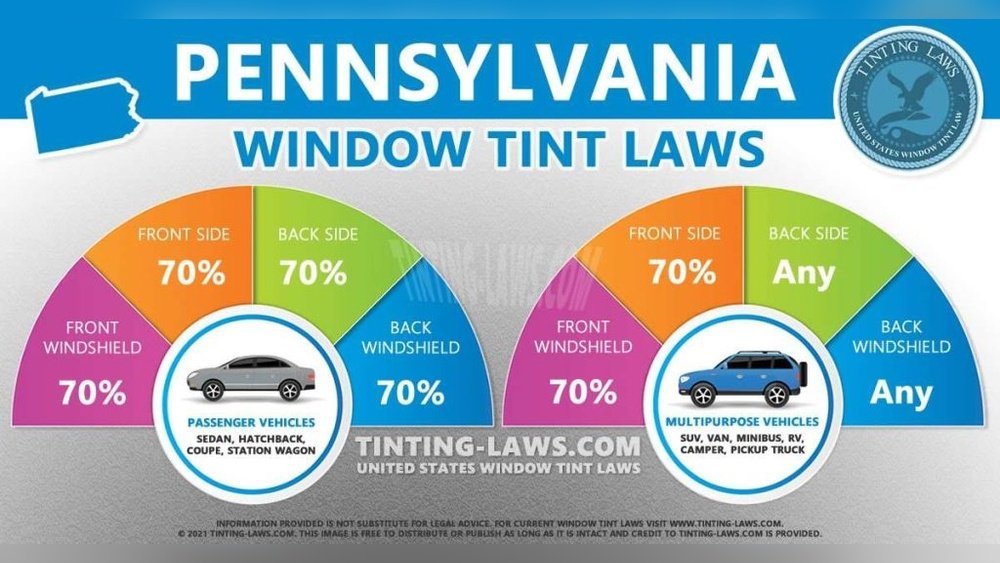
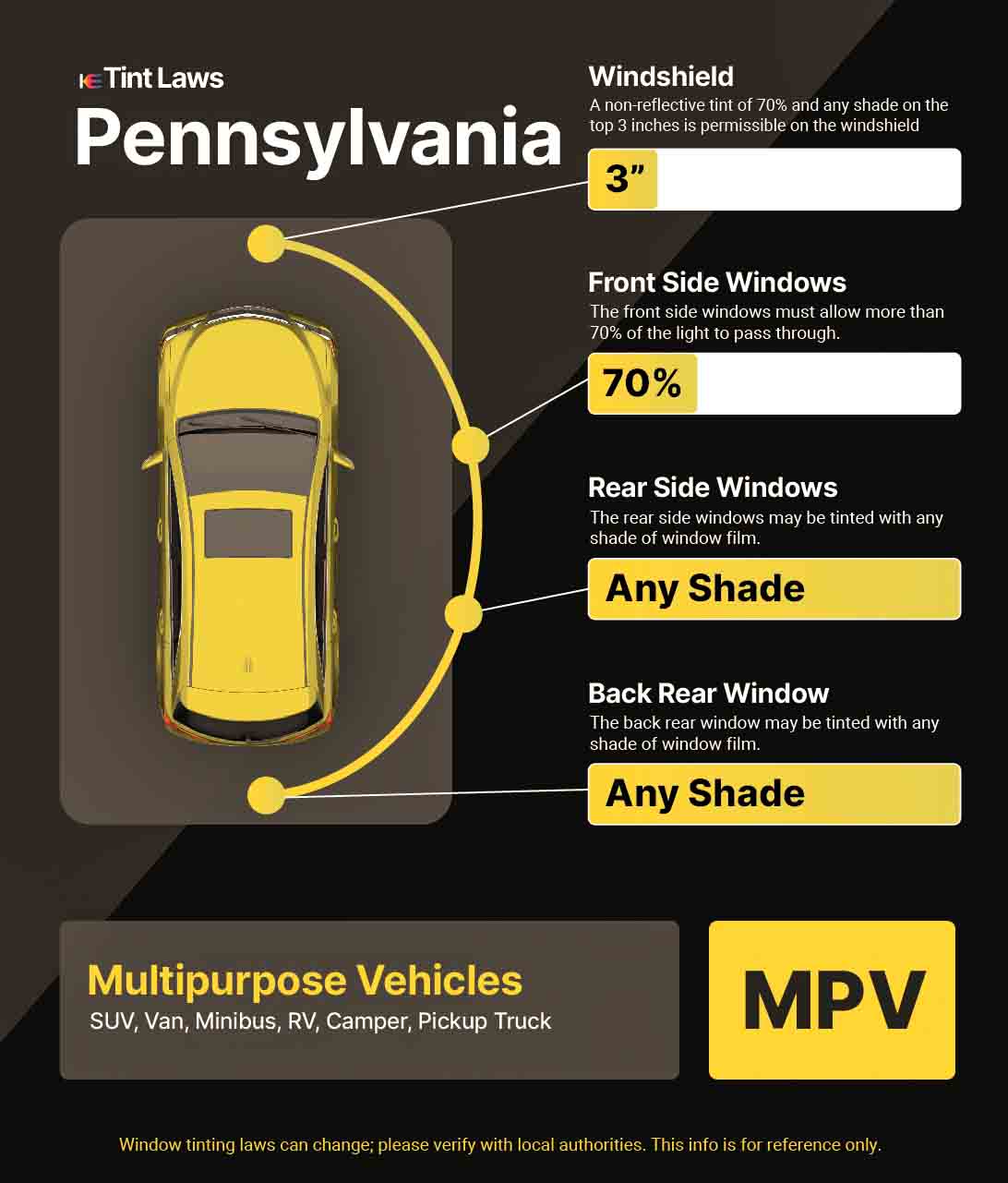
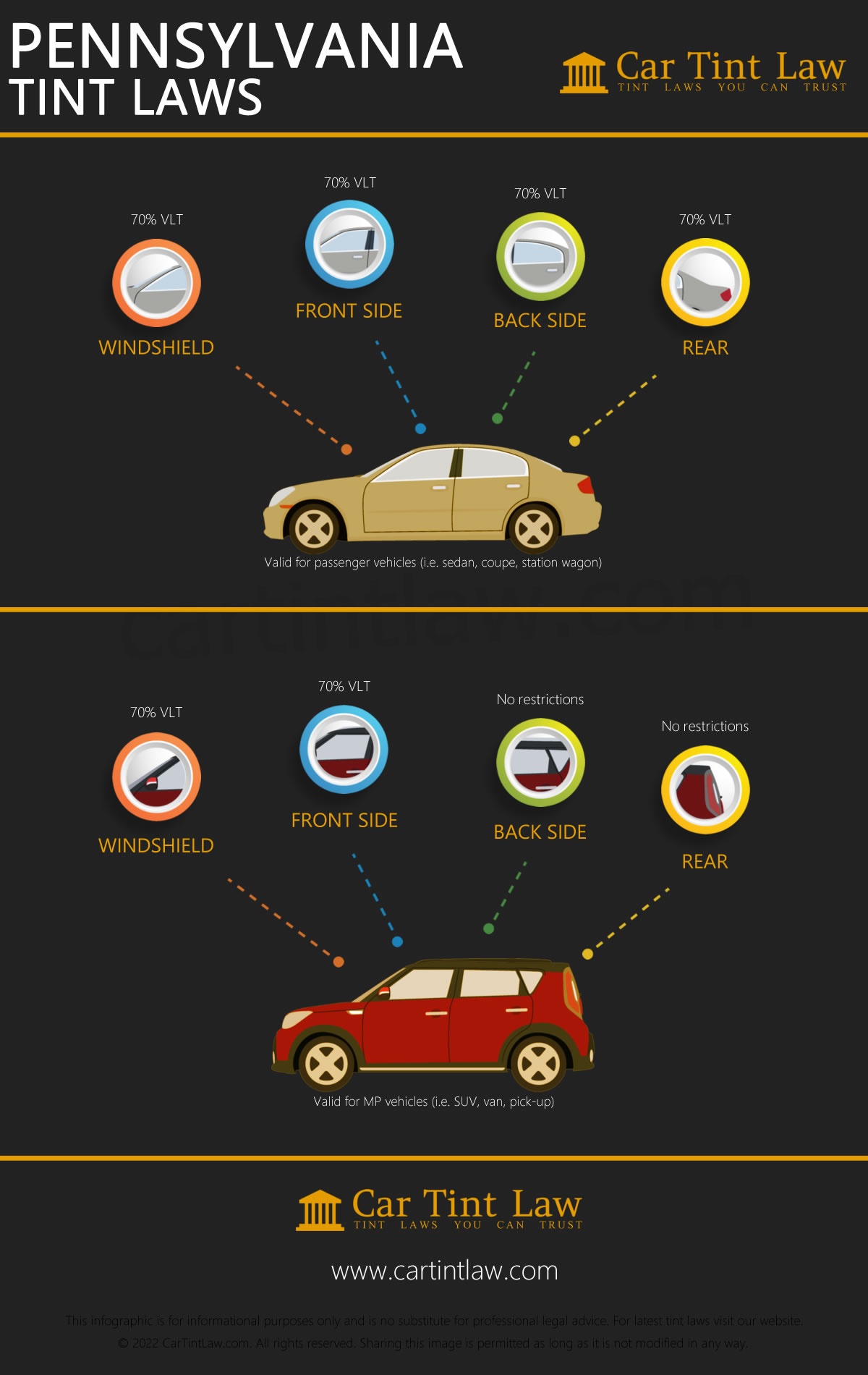
The front windshield only allows a strip of tint on the top. The strip cannot extend below the top 4 inches of glass. The front side windows must allow more than 70% of light through. The back side windows and rear window can be darker. They can have any darkness level without breaking the law.
Visible Light Transmission Requirements
Visible Light Transmission (VLT) means how much light passes through the tint. Pennsylvania requires at least 70% VLT on front side windows. This means only 30% of light can be blocked. The rear windows and back windshield do not have VLT limits. This rule helps police and other drivers see inside your car.
Tint Colors And Reflectivity Limits
Only black or gray tint colors are allowed in Pennsylvania. Colored tint films like red or blue are not legal. Reflective or mirror-like tint is also banned. The tint cannot reflect more than 20% of light. This keeps the glare low and helps other drivers stay safe.
Credit: kepler-dealer.com
Tint Rules For Different Vehicle Windows
Window tint laws in Pennsylvania vary depending on the vehicle window. Each type of window has different rules about how dark the tint can be. These rules help ensure driver safety and allow law enforcement to see inside the vehicle when needed.
Front Side Windows
Front side windows must allow more light through. Pennsylvania requires at least 70% of light to pass through these windows. This means the tint cannot be very dark here. The law aims to keep drivers visible to others on the road.
Rear Side Windows
Rear side windows have fewer restrictions. They can be tinted darker than front side windows. Pennsylvania allows any darkness level for rear side windows. This gives vehicle owners more privacy at the back of the car.
Rear Window
The rear window tint rules are similar to rear side windows. Darker tints are allowed on the back window. Pennsylvania places no limit on how dark the rear window tint can be. Drivers often choose this for added privacy and sun protection.
Windshield Restrictions
The windshield has the strictest tint rules. Only a small strip of tint is allowed at the top. This strip must be no more than 4 inches deep. Tinting the rest of the windshield is not allowed. This keeps the driver’s view clear and safe.
Exemptions And Medical Exceptions
Pennsylvania has specific rules about window tinting, but some exceptions exist. These exceptions allow certain people and vehicles to use darker tints legally. Understanding these exemptions helps avoid fines and legal trouble.
Medical reasons often justify darker window tint. The state provides a process to get special permission. Some vehicles also qualify for unique tint rules based on their use or design.
Medical Necessity For Tinting
People with light sensitivity or skin conditions may need darker window tint. Doctors can provide a certificate explaining the medical need. This helps protect patients from harsh sunlight and UV rays.
How To Apply For An Exemption
To get a tint exemption, submit a medical certificate to the Pennsylvania Department of Transportation. The form includes personal details and the doctor’s note. Approval allows using darker tint beyond standard limits legally.
Special Vehicle Categories
Certain vehicles like limousines, police cars, or buses follow different tint rules. These vehicles often require extra privacy or protection. The law recognizes their unique needs with special tint allowances.

Credit: www.blackdiamondtint.com
Penalties And Enforcement
Understanding penalties and enforcement helps drivers avoid trouble. Pennsylvania has clear rules about window tint. Breaking these rules leads to fines and other penalties. Law enforcement officers regularly check tint levels. They ensure all vehicles meet state standards. Knowing the consequences can save time and money.
Fines For Illegal Tint
Drivers caught with illegal window tint face fines. The amount depends on the severity of the violation. First-time offenders may pay a smaller fine. Repeat violations lead to higher fines. Police may also order the tint removal. Ignoring fines can result in more penalties.
Vehicle Inspection And Compliance
Vehicles in Pennsylvania must pass regular inspections. Inspectors check window tint during these exams. Non-compliant tint can cause a failed inspection. Drivers must fix the tint to pass the next check. Keeping tint within legal limits avoids inspection issues.
Tips For Avoiding Violations
Choose tint films approved by Pennsylvania law. Measure tint darkness before installation. Keep documentation of tint product specifications. Consult professionals familiar with state regulations. Remove any tint that exceeds legal limits. Regularly check tint condition to stay compliant.
Credit: www.cartintlaw.com
Frequently Asked Questions
What Are Pennsylvania’s Legal Limits For Window Tint Darkness?
Pennsylvania law allows 70% visible light transmission on front side windows. Rear side and back windows can be tinted any darkness. Windshield tinting is only allowed on the top 6 inches.
Can I Tint My Car Windows For Medical Reasons In Pennsylvania?
Yes, Pennsylvania permits darker tint for medical needs with a doctor’s certificate. The certificate must be carried in the vehicle at all times. Police may ask to see this document during stops.
Are There Penalties For Illegal Window Tint In Pennsylvania?
Yes, fines and citations apply for tint darker than allowed. Police can order removal of illegal tint at the owner’s cost. Repeat offenses may lead to higher fines or vehicle inspection failure.
Does Pennsylvania Allow Reflective Or Mirrored Window Tint?
Reflective or mirrored tint is not permitted on front side windows. Rear windows can have reflective tint if it meets state light transmission rules. Reflective tint on non-approved windows may result in fines.
How Can I Check If My Window Tint Meets Pennsylvania Laws?
Use a tint meter device to measure light transmission percentage. Many auto shops and law enforcement have these meters for testing. Always check tint before installation to avoid legal issues.
Conclusion
Pennsylvania’s window tint laws protect both drivers and passengers. Following these rules keeps you safe and avoids fines. Remember to check the tint limits before installing film. Clear visibility helps prevent accidents on the road. Stay informed about any updates to the laws.
Drive smart and keep your vehicle legal. Safety and compliance go hand in hand. Simple steps make a big difference every day.

Ismail Hossain is the founder of Law Advised. He is an Divorce, Separation, marriage lawyer. Follow him.