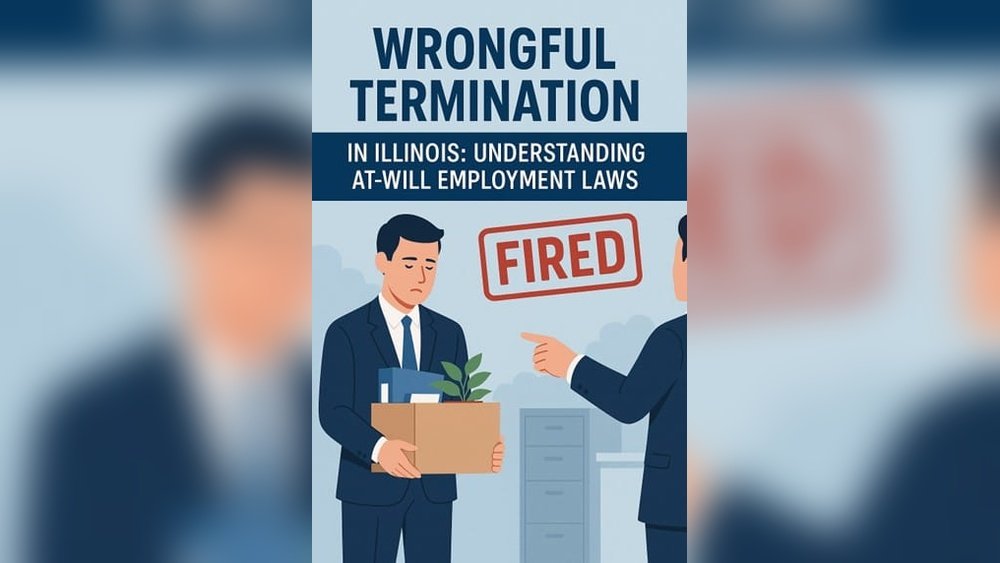
Wrongful Termination Laws in Illinois: What You Need to Know
Have you ever felt like you were fired unfairly? If so, you’re not alone—and it’s important to know your rights.
Wrongful termination laws in Illinois exist to protect you from being let go without a valid reason or due process. Understanding these laws can make all the difference between losing your job and standing up for yourself. Keep reading to discover what counts as wrongful termination, how Illinois law works, and what steps you can take if you believe your firing was illegal.
This knowledge could be the key to protecting your future.
Basics Of Wrongful Termination
Understanding wrongful termination is important for every worker in Illinois. This topic covers the basic rules about when an employer fires someone unfairly. Knowing these basics helps workers protect their rights and spot when a firing might be illegal.
Wrongful termination means the job ended in a way that breaks the law. Not every firing is wrongful. Sometimes, employers can fire workers for good reasons. But some reasons are against the law, like firing because of race or asking for time off for illness.
What Is Wrongful Termination?
Wrongful termination happens when an employee is fired for illegal reasons. The law sets limits on why an employer can end a job. These limits protect workers from unfair treatment. The firing must break a law or a contract to be wrongful.
Common Illegal Reasons For Firing
Employers cannot fire workers because of their race, gender, age, or religion. Firing for these reasons breaks civil rights laws. Employers also cannot fire workers for reporting safety problems or asking for family leave. These protections keep workers safe from unfair firings.
At-will Employment And Exceptions
Illinois mostly follows “at-will” employment rules. This means employers can fire workers for almost any reason. But there are exceptions. If firing breaks a law or a contract, it is wrongful termination. Workers must understand these exceptions to protect their jobs.

Credit: www.oflaherty-law.com
Illinois Employment Laws
Illinois employment laws protect workers and guide employers. These laws cover hiring, firing, wages, and workplace safety. They aim to create fair and safe work environments across the state.
Understanding these laws helps employees know their rights. It also helps employers follow the rules and avoid legal trouble. Illinois has specific rules about wrongful termination to protect workers from unfair dismissal.
At-will Employment In Illinois
Most jobs in Illinois are “at-will.” This means employers can end employment anytime. They do not need to give a reason. Employees can also leave their job anytime without a reason.
But at-will does not mean employers can fire someone illegally. There are limits to protect workers from wrongful termination.
Protections Against Wrongful Termination
Illinois law forbids firing employees for illegal reasons. These include discrimination based on race, gender, or age. It also protects workers who report unsafe conditions or illegal acts.
Employees cannot be fired for refusing to break the law. Retaliation against workers for filing complaints is also illegal.
Role Of The Illinois Department Of Labor
The Illinois Department of Labor enforces employment laws. It handles worker complaints and investigates violations. The department provides resources to help workers understand their rights.
Employers must follow labor rules or face penalties. The department works to ensure fair treatment for all employees.
Common Reasons For Wrongful Termination
Wrongful termination occurs when an employee is fired for illegal reasons. Illinois law protects workers from unfair dismissal. Understanding common reasons helps employees recognize wrongful termination.
Employers may not always follow the law. Some reasons for firing are against state and federal rules. Knowing these reasons can guide employees to seek help.
Illegal Discrimination
Firing someone based on race, gender, age, or disability is illegal. Illinois law forbids discrimination in the workplace. Employers must treat all employees fairly.
Retaliation For Complaints
Employees cannot be fired for reporting safety issues or harassment. Retaliation is a common cause of wrongful termination claims. Workers have a right to speak up without fear.
Violation Of Employment Contract
Some workers have contracts that explain how they can be fired. Breaking these contracts can lead to wrongful termination. Employers must follow contract rules strictly.
Refusal To Commit Illegal Acts
An employee cannot be fired for refusing to break the law at work. This protection helps maintain ethical workplace behavior. It protects honest employees from unfair treatment.
Taking Protected Leave
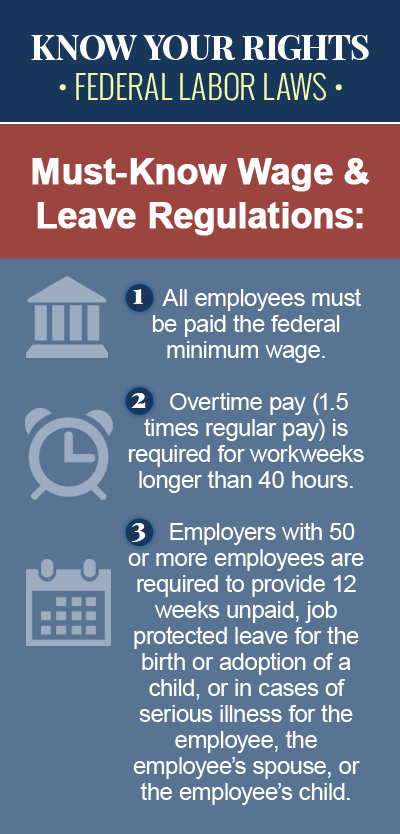
Firing workers for using family or medical leave is against the law. The Family and Medical Leave Act (FMLA) offers job protection. Illinois workers can take leave without losing their job.
Filing A Wrongful Termination Claim
Wrongful termination laws in Illinois protect workers from being fired for illegal reasons. Filing a claim involves proving the firing broke these laws. Legal help can guide you through this process.
Understanding The Basics Of Filing A Wrongful Termination Claim
Filing a wrongful termination claim in Illinois starts with knowing your rights. Employers cannot fire workers for illegal reasons, such as discrimination or retaliation. To make a claim, you must prove the firing broke the law or violated a contract.
Gather all documents related to your job and firing. This includes your employment contract, emails, and any written warnings. These materials help support your case.
Steps To Take Before Filing Your Claim
First, speak with your employer or HR department about the firing. This may solve the problem without legal action. Keep records of all conversations and responses.
Next, file a complaint with the Illinois Department of Human Rights (IDHR). The IDHR reviews claims related to discrimination or harassment. They may investigate or try to settle the issue.
Filing A Lawsuit For Wrongful Termination
If the IDHR finds no resolution, you can file a lawsuit. You must file within two years from the date of termination in most cases. Hiring a lawyer helps ensure you meet all legal deadlines.
The lawsuit process involves submitting a complaint to the court. The employer then responds, and both sides exchange evidence. A judge or jury decides if wrongful termination happened and what damages apply.
Employee Rights And Protections
Employees in Illinois have important rights that protect them from unfair job loss. These rights help ensure fair treatment at work. Knowing these protections can help workers stand up for themselves.
Wrongful termination laws exist to stop employers from firing workers without a good reason. These laws cover many situations. They give employees a way to fight back if they believe they were wrongfully fired.
Understanding Wrongful Termination
Wrongful termination means firing someone against the law. This includes firing based on race, gender, or age. It also covers firing for refusing illegal acts or reporting safety issues. Illinois law protects workers from these unfair firings.
Protection Against Discrimination
Illinois law bans firing employees due to race, religion, or disability. It also protects workers from being fired for their gender or national origin. These rules ensure everyone has equal job security.
Rights For Reporting Violations
Workers cannot be fired for reporting illegal actions. This includes unsafe work conditions or wage violations. Illinois law shields whistleblowers from retaliation by their employers.
Contracts And Employment Agreements
Some workers have contracts that protect them from being fired without cause. Illinois courts may enforce these agreements. Contracts can offer extra security beyond state laws.
Seeking Legal Help
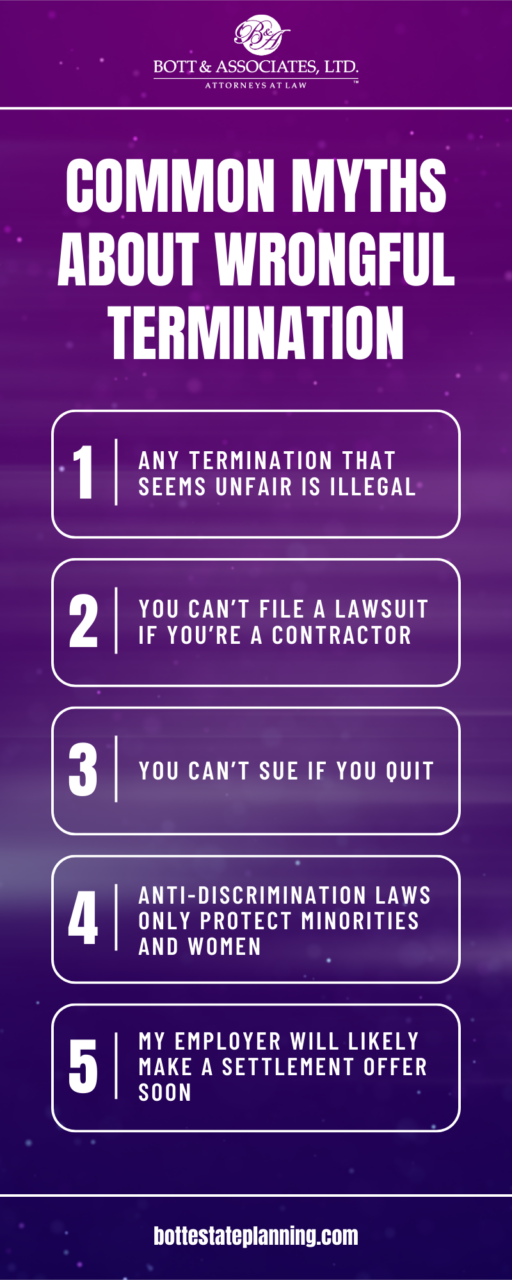
Employees who face wrongful termination can seek legal advice. Lawyers can explain rights and help file claims. Taking action quickly is important to protect those rights.
Credit: bottestateplanning.com
Legal Remedies And Compensation
Legal remedies and compensation help employees who face wrongful termination in Illinois. These remedies provide a way to seek justice and recover losses. Understanding the options is important for anyone affected by unfair dismissal.
The law offers several types of compensation. These include monetary awards and other legal actions that protect workers’ rights. Knowing what is available can guide your next steps.
Monetary Damages
Monetary damages cover lost wages and benefits. This includes pay from the day of termination until a new job is found. Sometimes, damages also cover emotional distress caused by the wrongful firing.
Reinstatement
Reinstatement means getting your old job back. Courts may order employers to rehire employees wrongly fired. This remedy helps restore income and job security.
Punitive Damages
Punitive damages punish employers for wrongful actions. These damages are awarded when the employer acted with malice or reckless disregard. They serve as a warning to prevent future violations.
Attorney’s Fees And Costs
Court costs and lawyer fees may be reimbursed. This reduces the financial burden on the wrongfully terminated employee. It encourages workers to seek legal help when needed.
Credit: employmentlaw.help
Frequently Asked Questions
What Is Wrongful Termination Under Illinois Law?
Wrongful termination happens when an employer fires someone against the law. This includes firing for illegal reasons like discrimination or retaliation. Illinois law protects workers from such unfair treatment.
How Can I Prove Wrongful Termination In Illinois?
You need evidence showing the firing broke the law. This might be emails, witness statements, or records of unfair treatment. Clear proof is key to winning a wrongful termination case.
What Damages Can I Get For Wrongful Termination?
You may receive money for lost wages, emotional pain, or legal fees. Sometimes, courts order the employer to reinstate the job. The amount depends on the case details.
How Long Do I Have To File A Wrongful Termination Claim?
In Illinois, the deadline is usually 180 days to file a complaint with the EEOC. For some cases, it can be up to 300 days. Acting quickly helps protect your rights.
Can I Be Fired For Complaining About Workplace Issues?
No, Illinois law protects employees who report problems like safety or discrimination. Employers cannot legally fire someone for raising these concerns. This is called protection against retaliation.
Do Wrongful Termination Laws Apply To All Illinois Workers?
Most employees are protected, but some exceptions exist. For example, workers in certain government jobs may have different rules. It’s best to check your specific situation carefully.
Conclusion
Wrongful termination laws in Illinois protect workers from unfair job loss. Knowing your rights helps you act quickly and confidently. Employers must follow clear rules to avoid illegal firing. If you feel you were fired unfairly, seek advice from a trusted source.
Staying informed can make a big difference in your case. Understanding these laws gives you a stronger voice at work. Protect yourself by learning what the law allows. Don’t let wrongful termination go unanswered. Take steps to protect your future today.

Ismail Hossain is the founder of Law Advised. He is an Divorce, Separation, marriage lawyer. Follow him.