If You Have a Mortgage Do You Own the House : Understanding True Ownership
Introduction: It’s a common question that many homeowners have: If you have a mortgage, do you really own the house? In this article, we will explore this topic and provide you with a clear understanding of the relationship between mortgages and homeownership.
Understanding Mortgages:
Before we dive into the main question, let’s first understand what a mortgage is. A mortgage is a loan provided by a lender (usually a bank or a financial institution) to help you finance the purchase of a home. When you take out a mortgage, you agree to repay the loan amount, along with interest, over a specified period of time.
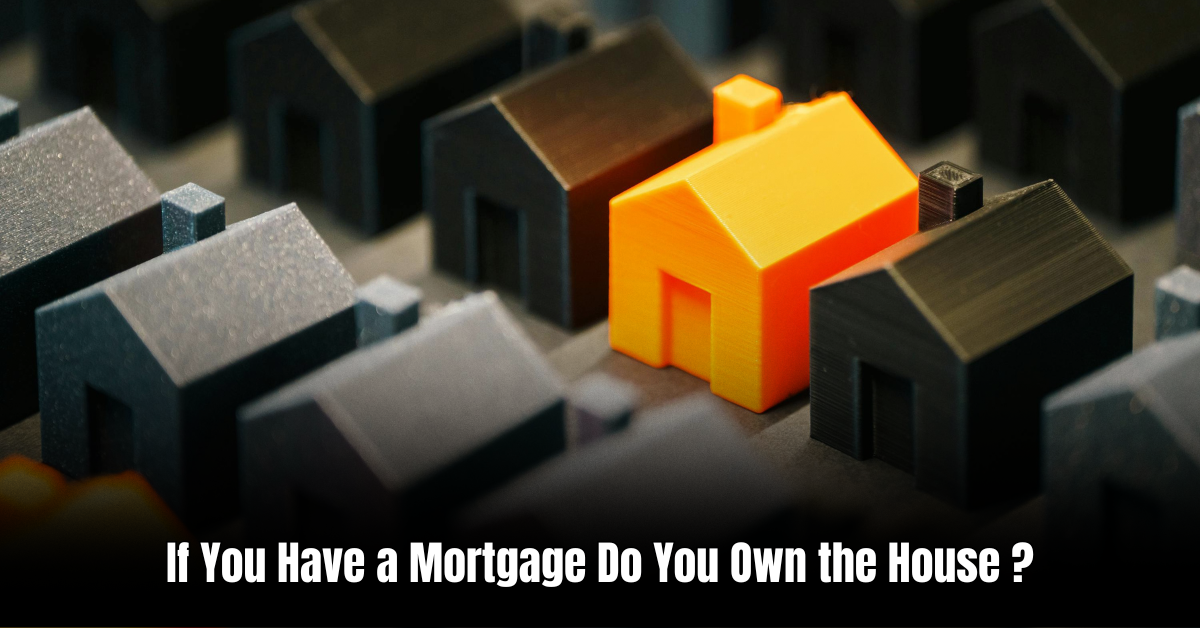
Do you really own the house? The answer is yes! When you have a mortgage, you still own the house. The mortgage is just a financial agreement that allows you to borrow money to finance the purchase of the property. Your ownership rights are not affected by the mortgage.
However, it’s essential to understand that the lender has a legal claim on the property until the mortgage is fully paid off. The lender holds a lien on the property, which serves as security for the loan. This means that if you fail to make your mortgage payments, the lender has the right to foreclose on the property and take possession of it.
Equity and Building Ownership:
As you make mortgage payments over time, you build equity in your home. Equity is the difference between the current market value of your property and the outstanding balance on your mortgage. The more mortgage payments you make, the more equity you build.
Building equity is an excellent way to increase your ownership stake in the house. Once you have paid off your mortgage entirely, you have 100% equity in your home. At that point, you have absolute ownership and full rights to the property. Until then, you have partial ownership, with the lender holding a portion of the equity as security for the loan.
Benefits of Having a Mortgage:
1. Homeownership: Despite the lender’s lien on the property, having a mortgage allows you the opportunity to be a homeowner. It provides you with the means to purchase a home and build equity over time.
2. Tax Benefits: There are several tax benefits associated with having a mortgage. In many countries, the interest paid on a mortgage is tax-deductible, which can help reduce your overall tax liability.
3. Streamlined Financing: When you have a mortgage, you have access to a streamlined and affordable financing option. Without a mortgage, many individuals would not have the necessary funds to purchase a home outright.
Conclusion:
In conclusion, having a mortgage does not mean that you do not own the house. You still have ownership rights, but the lender holds a lien on the property until the mortgage is fully paid off. As you make mortgage payments, you build equity and increase your ownership stake in the house. Having a mortgage provides you with the opportunity to become a homeowner and enjoy the benefits of homeownership. So, if you have a mortgage, rest assured that you are indeed the owner of your home.
Frequently Asked Questions Of If You Have A Mortgage, Do You Own The House: Understanding True Ownership
Faq: Who Owns The House If You Have A Mortgage?
When you have a mortgage, the ownership of the house is still yours. However, the lender has a lien on the property as security for the loan.
Faq: Can You Sell A House With A Mortgage?
Yes, you can sell a house with a mortgage. However, the remaining balance on the mortgage will need to be paid off from the proceeds of the sale.
Faq: What Happens To The Mortgage If The Owner Dies?
If the owner of the house with a mortgage passes away, the mortgage will need to be paid off from their estate. The executor of the estate will handle this process.
Faq: Can You Refinance A Mortgage?
Yes, you can refinance your mortgage. Refinancing allows you to replace your current mortgage with a new one, often with better terms and interest rates.

Ismail Hossain is the founder of Law Advised. He is an Divorce, Separation, marriage lawyer. Follow him.