Residential Street Parking Laws Indiana: Essential Rules You Must Know
Are you unsure about where you can park your car safely on residential streets in Indiana? Knowing the rules can save you from costly tickets and towing.
Understanding residential street parking laws isn’t just about avoiding fines—it’s about protecting your vehicle and respecting your neighbors. You’ll get clear, simple answers to your most pressing questions about parking in Indiana’s neighborhoods. Keep reading to make sure you’re always parking legally and with peace of mind.

Credit: timesuniononline.com
Basic Residential Parking Rules
Understanding the basic residential parking rules in Indiana helps avoid tickets and fines. These rules keep streets safe and clear for all residents. Knowing them makes parking easier and prevents conflicts.
Here are the key points to remember about parking in residential areas.
Parking On The Street
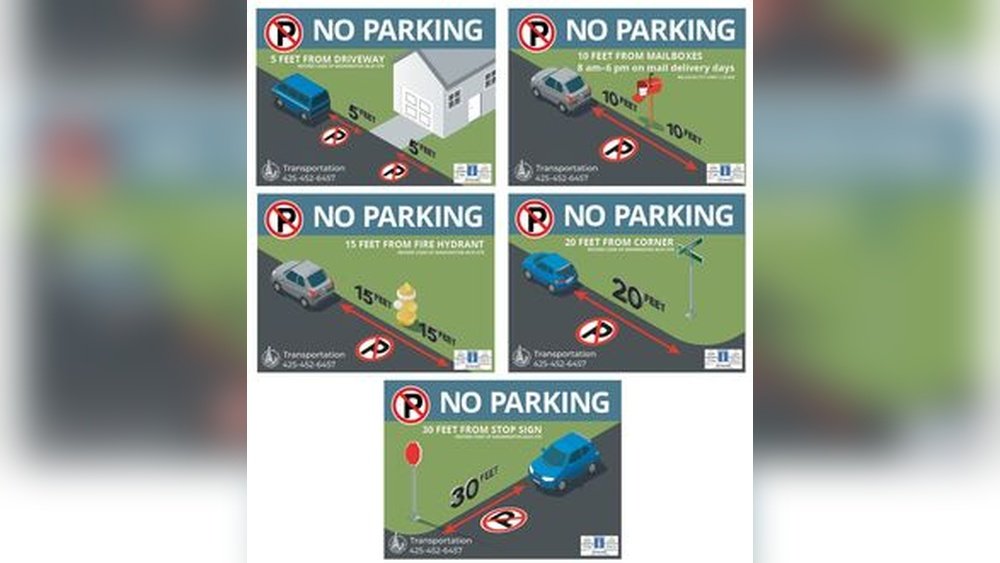
Park only on the right side of the street, facing traffic. Avoid parking too far from the curb. Stay within marked parking zones. Do not block driveways or fire hydrants.
Many neighborhoods have time limits for street parking. Check signs for allowed hours and days. Some areas ban parking during snow removal or street cleaning. Always follow posted rules closely.
Permit Parking Areas
Certain neighborhoods require a permit to park on the street. Permits are issued by local authorities. Display your permit clearly on your vehicle. Parking without a permit in these zones can lead to fines.
Parking For Large Vehicles
Large trucks and trailers often face restrictions in residential areas. They may not park on streets overnight. Check local rules before parking larger vehicles. This helps keep streets accessible for all vehicles.
Parking During Emergencies
In emergencies, parking rules may change temporarily. Follow directions from local officials or signs. Move your vehicle promptly if asked. This allows emergency vehicles to pass safely.

Credit: www.wfyi.org
Time Restrictions And Limits
Time restrictions and limits on residential street parking in Indiana help keep neighborhoods safe and accessible. These rules control how long a vehicle can park in one spot. They also prevent cars from blocking traffic or emergency routes.
Understanding these limits is important for all drivers. It helps avoid tickets and fines. It also ensures smooth traffic flow and access for residents and visitors.
Maximum Parking Duration
Most Indiana towns set a maximum time for parking on residential streets. This limit often ranges from 2 to 24 hours. Vehicles parked longer than allowed may receive a citation or be towed.
These limits stop cars from staying too long and cluttering streets. They also encourage turnover, so more people can find parking.
Time Of Day Restrictions
Some areas restrict parking during certain hours, such as overnight or during street cleaning. Signs usually indicate these hours clearly. Parking during restricted times can result in fines or towing.
These rules help keep streets clear for maintenance and emergency vehicles. They also reduce noise and traffic during quiet hours.
Temporary Parking Limits
Towns may impose temporary parking restrictions for events or construction. Notices are often posted in advance. These limits help manage traffic during busy times or road work.
Drivers should watch for signs about temporary rules. Following them avoids penalties and helps community safety.
Permit Parking Zones
Permit parking zones help control who can park on certain residential streets in Indiana. Residents usually need a special permit to park in these areas. This system keeps parking spaces available for local people and reduces traffic issues.
What Are Permit Parking Zones?
Permit parking zones are special areas on residential streets. Only vehicles with a valid permit can park there. These zones help control parking congestion near homes.
Local governments create these zones to protect residents. The goal is to prevent outsiders from using street parking all day. This keeps spaces available for people who live nearby.
How To Get A Permit In Indiana
Residents must apply for a permit through their city or town office. The process usually requires proof of residency. A fee may also be charged for the permit.
Permits often have a specific duration. Renewal is necessary to keep the permit valid. Displaying the permit correctly on the vehicle is important to avoid fines.
Rules And Restrictions In Permit Zones
Parking without a permit in these zones can lead to tickets or towing. Some zones limit the number of permits per household. Visitors may need temporary permits to park legally.
Signs mark all permit parking zones clearly. Drivers should always check street signs before parking. Rules can vary by neighborhood, so stay informed.
Towing And Penalties
Towing and penalties are important parts of Indiana’s residential street parking laws. These rules help keep neighborhoods safe and traffic flowing. Cars that break parking rules may face fines or towing. It is important to understand these consequences to avoid trouble.
Towing Rules In Indiana
Towing happens when a vehicle blocks traffic or violates parking laws seriously. Police or parking authorities may order a tow. Common reasons include parking in no-parking zones or blocking driveways. The vehicle owner must pay towing and storage fees to get their car back.
Fines And Penalties
Violations come with fines that vary by city or county. Parking in restricted areas usually leads to a ticket. Unpaid tickets can increase in price over time. Repeated offenses may result in higher fines or legal action. It is best to pay tickets quickly to avoid extra charges.
How To Avoid Towing And Penalties
Always check street signs before parking. Know the local parking rules in your neighborhood. Do not park in restricted zones or block driveways. Use legal parking spots only. Staying informed helps prevent costly fines and towing.
Tips For Safe And Legal Parking
Parking on residential streets in Indiana requires following local rules to avoid fines. Always check for signs and avoid blocking driveways or fire hydrants. Staying aware helps keep neighborhoods safe and traffic flowing smoothly.
Understand Local Parking Restrictions
Always check for parking signs before leaving your car. Signs tell you when parking is allowed or forbidden. Pay attention to days and times listed. Some streets have time limits or no parking on certain days. Following these rules helps you avoid tickets and towing.
Park Within Designated Spaces
Choose marked parking spots whenever possible. Parking outside lines can block traffic or driveways. It can also cause accidents or fines. Stay inside the space and leave enough room for other cars to pass safely.
Avoid Blocking Driveways And Fire Hydrants
Never park in front of driveways or fire hydrants. These areas must stay clear for emergency access. Blocking them is illegal and dangerous. Keep at least 15 feet away from fire hydrants to stay safe and legal.
Observe Street Cleaning And Snow Removal Rules
Many neighborhoods have street cleaning schedules. Cars must be moved during these times. Parking during street cleaning can lead to fines or towing. Also, move your car during snow removal to help clear streets efficiently.
Use Your Parking Brake On Hills
Always set your parking brake when parking on a hill. It prevents your car from rolling downhill. Turn your wheels toward the curb for extra safety. This simple step protects your vehicle and others around it.

Credit: www.woodspring.com
Frequently Asked Questions
What Are The Basic Street Parking Rules In Indiana?
Indiana requires vehicles to park parallel and close to the curb. Parking must not block driveways, fire hydrants, or intersections. Follow posted signs for any special restrictions.
Is Overnight Street Parking Allowed In Residential Areas?
Overnight parking rules vary by city in Indiana. Some towns allow it, while others require permits or prohibit it. Always check local signs or municipal codes.
Can I Park On Sidewalks Or Lawns In Indiana?
Parking on sidewalks or lawns is illegal in Indiana. It blocks pedestrian paths and damages property. Always keep your vehicle on the paved street or driveway.
Are There Time Limits For Street Parking In Neighborhoods?
Many Indiana neighborhoods have time limits to prevent long-term parking. Limits can range from 1 to 24 hours depending on the area. Look for posted signs to avoid fines.
What Happens If I Violate Street Parking Laws In Indiana?
Violating parking laws can result in fines or towing. Repeat offenders may face higher penalties. Following rules helps keep streets safe and accessible.
Conclusion
Knowing Indiana’s residential street parking laws helps avoid fines and towing. Always check local signs before parking your car. Some neighborhoods have special rules to protect residents. Stay aware of time limits and permit requirements. Respecting these rules keeps streets safe and clear.
Parking correctly shows you care about your community. Keep this guide handy for easy reference. Following the laws makes life simpler for everyone.

Ismail Hossain is the founder of Law Advised. He is an Divorce, Separation, marriage lawyer. Follow him.