
Filial Responsibility Laws Indiana: What You Must Know Now
Have you ever wondered what happens if an elderly parent can’t pay their medical bills? In Indiana, there are laws that might make you responsible for those costs.
These are called Filial Responsibility Laws. Understanding how these laws work could save you from unexpected expenses and stress. Keep reading to learn what these laws mean for you and your family, and how you can protect yourself.
Filial Responsibility Laws Explained
Filial responsibility laws make adult children responsible for their parents’ care. These laws exist in some states, including Indiana. They require children to pay for their parents’ medical or nursing home bills if the parents cannot pay. This law aims to reduce the cost burden on public welfare programs.
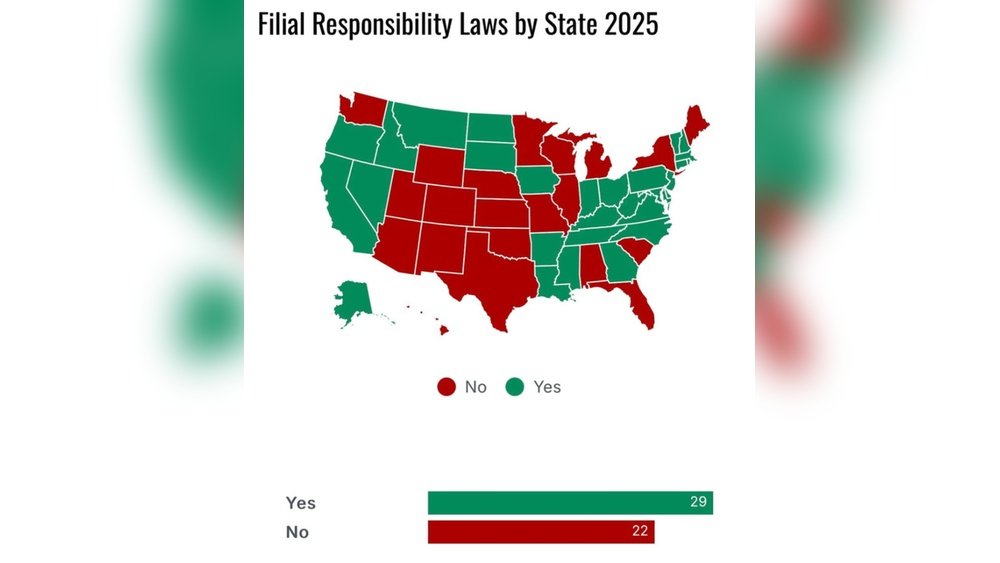
In Indiana, these laws are rarely enforced but still important to understand. Knowing your legal duties helps you prepare for possible financial responsibilities. It also guides families in planning elder care and support.
What Are Filial Responsibility Laws?
Filial responsibility laws are state rules that make children pay for their parents’ care. These laws can cover costs like hospital bills, nursing homes, or other health care expenses. The goal is to keep family members financially responsible for each other.
How Indiana’s Law Works
Indiana’s law allows hospitals or care facilities to demand payment from adult children. This happens if the parent cannot pay and public funds are used. The law applies mostly to parents who need long-term care or nursing home support.
Who Is Affected By These Laws?
Adult children of parents who cannot pay medical bills may be affected. The law applies to biological, adopted, and sometimes stepchildren. It does not usually include grandchildren or other relatives.
When Can These Laws Be Enforced?
Enforcement happens when the parent’s care costs are unpaid. Care facilities or government agencies may ask children for payment. Courts decide if the children must pay based on specific situations.

Credit: www.reddit.com
Indiana’s Specific Legal Requirements
Indiana law requires adult children to support their parents if those parents cannot pay for their own care. This law helps cover medical and nursing home costs. Family members may be legally responsible for these expenses.
Who Is Responsible Under Indiana Law?
Indiana law requires adult children to support their indigent parents. This responsibility applies if the parent cannot pay for basic needs. The law focuses on parents who need help with food, shelter, and medical care.
Only children who are capable of providing support must help. The law does not expect support beyond a child’s means.
How Is Support Determined?
Courts consider the parent’s financial need first. Then, they look at the child’s income and ability to pay. Support may cover costs like nursing home care and medical bills.
The amount is not fixed. It depends on the family’s financial situation and needs.
Legal Process And Enforcement
Parents can file a claim in court to seek support. The court will review the case and issue an order if justified. Failure to comply may result in legal penalties for the child.
Indiana’s courts take these cases seriously. They ensure parents do not become a public burden.
Who Is Legally Obligated
Filial responsibility laws in Indiana focus on who must pay for a parent’s care. These laws require certain family members to support their elderly or disabled parents financially. Understanding who is legally obligated helps families prepare for potential costs.
Not everyone is responsible. The law names specific relatives. These rules ensure parents get necessary care without burdening the state.
Who Qualifies As A Legally Obligated Family Member?
Primarily, adult children are responsible for their parents under Indiana’s filial responsibility laws. The law considers biological, adopted, and sometimes stepchildren. The duty usually applies to children who can afford to pay.
Are Spouses Ever Required To Pay?
Spouses generally do not have financial responsibility for their in-laws. The obligation typically stays between parents and their own children. Indiana law focuses on direct family lines for support.
Does The Obligation Include All Children Equally?
Yes, all adult children share the duty. The law does not favor one child over another. Each child may be responsible for a portion of the costs based on ability to pay.
What About Grandchildren Or Other Relatives?
Grandchildren and distant relatives usually have no legal duty. Indiana law limits responsibility to parents and their children. Other family members are not bound by filial laws.
Enforcement And Penalties
Indiana’s Filial Responsibility Laws require adult children to support their elderly parents if they cannot pay for their care. The state enforces these laws to ensure parents do not become a public burden. Enforcement involves legal actions and penalties if children fail to meet their obligations. Understanding these enforcement methods and penalties is important for families facing this issue.
Legal Enforcement Of Filial Responsibility
Indiana courts can order adult children to pay for their parents’ care. This can include nursing home bills and medical expenses. The court reviews the parent’s financial needs and the child’s ability to pay. If the court finds the child responsible, it issues a payment order. Ignoring this order can lead to further legal trouble.
Financial Penalties For Noncompliance
Failing to comply with court orders can result in fines or wage garnishment. The court can seize assets or bank accounts to cover unpaid support. These penalties aim to ensure parents receive proper care and support. The cost of ignoring filial responsibility laws can be high.
Impact On Family Relationships
Enforcement of these laws can strain family ties. Financial stress and legal battles create tension between parents and children. Some families try to avoid court by making private agreements. Open communication helps prevent conflicts and misunderstandings.
Planning Ahead For Elder Care Costs
Planning ahead for elder care costs is crucial in Indiana. These costs can rise quickly and impact families deeply. Understanding the state’s Filial Responsibility Laws helps prepare for financial responsibilities. Early planning reduces stress and avoids surprises later.
Thinking about elder care means more than just money. It involves legal duties, health needs, and family roles. Being ready ensures the best care for aging parents without financial burden on one person.
Understanding Filial Responsibility Laws In Indiana
Indiana law requires adult children to support parents who cannot pay for care. This law can include costs like nursing homes or medical bills. Knowing these laws helps families plan who pays and how much.
Estimating Future Elder Care Expenses
Elder care costs vary depending on health and living needs. Expenses can include home care, assisted living, or medical treatments. Estimating these costs early helps set realistic budgets and savings goals.
Creating A Financial Plan For Elder Care
Start by listing all possible elder care expenses. Include insurance, savings, and government aid options. A clear financial plan protects both parents and children from sudden costs.
Exploring Government Assistance Programs
Medicaid and Medicare offer support for elder care costs. Eligibility depends on income and health conditions. Checking these programs early can reduce out-of-pocket expenses.
Communicating Openly With Family Members
Talk about elder care costs and responsibilities with all family members. Clear communication avoids conflicts and shares the burden fairly. Family meetings create a team approach to care planning.
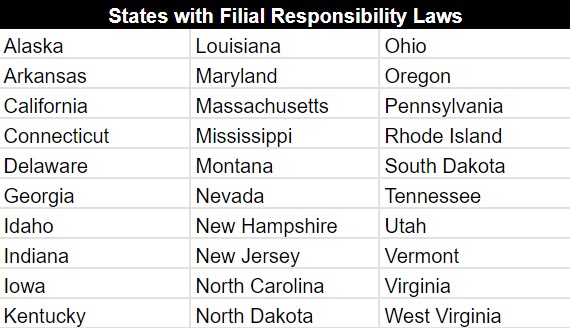
Credit: www.harborlifesettlements.com

Credit: www.reddit.com
Frequently Asked Questions
What Are Filial Responsibility Laws In Indiana?
Filial responsibility laws require adult children to support their needy parents. In Indiana, these laws can make children pay for parents’ medical bills. The law aims to reduce government costs.
Who Can Be Held Responsible Under Indiana’s Filial Laws?
Only adult children of indigent parents can be responsible. The law does not usually apply to grandchildren or other relatives. Responsibility depends on the child’s ability to pay.
How Does Indiana Enforce Filial Responsibility Laws?
Courts can order children to pay parents’ nursing home or medical expenses. Enforcement often starts after the parent applies for public aid. Failure to pay can lead to legal consequences.
Are There Any Defenses Against Filial Responsibility Claims In Indiana?
Children may argue they cannot afford to pay. Some show they already support the parent financially. Courts consider the child’s income and living situation.
Does Indiana Have A Statute Of Limitations For Filial Claims?
Yes, claims must be filed within a specific time frame. Usually, this period is a few years after expenses occur. Timely action is important to preserve rights.
Conclusion
Filial responsibility laws in Indiana affect family duties to support elderly parents. These laws can require adult children to help with medical or living costs. Knowing your rights and obligations helps avoid legal trouble. Many families find it hard to handle these responsibilities alone.
Talking to a lawyer or social worker can offer guidance. Being informed makes it easier to plan for the future. Stay aware of changes in the law as they can impact your role. Families benefit from understanding these laws early on.

Ismail Hossain is the founder of Law Advised. He is an Divorce, Separation, marriage lawyer. Follow him.