What are the Car Accident Laws in Indiana: Essential Guide 2026
Have you ever wondered what happens after a car accident in Indiana? Knowing the laws that apply to you can make a huge difference in protecting your rights and avoiding costly mistakes.
Whether you’re a driver, passenger, or pedestrian, understanding Indiana’s car accident laws is essential for your safety and peace of mind. You’ll discover the key rules you need to know, how to handle the situation if you’re involved in a crash, and what steps to take to stay on the right side of the law.
Keep reading to make sure you’re fully prepared for the unexpected.
Credit: www.custylaw.com
Indiana Traffic Rules
Indiana traffic rules guide how people drive and share the road. These rules keep drivers, passengers, and pedestrians safe. Knowing these laws helps avoid accidents and legal trouble.
Indiana has specific laws about speed, right of way, and driving under the influence. These rules change depending on the road and situation.
Speed Limits And Right Of Way
Speed limits vary in Indiana. Most city streets have a 30 mph limit. Highways usually allow speeds up to 70 mph. Drivers must always adjust speed for weather and traffic.
Right of way means who can go first. At stop signs, the first car to arrive goes first. At four-way stops, cars go in the order they arrive. Pedestrians always have the right of way at crosswalks.
Dui And Distracted Driving Laws
Indiana has strict DUI laws. The legal blood alcohol limit is 0.08%. Police can stop drivers who show signs of intoxication. Penalties include fines, license suspension, and jail time.
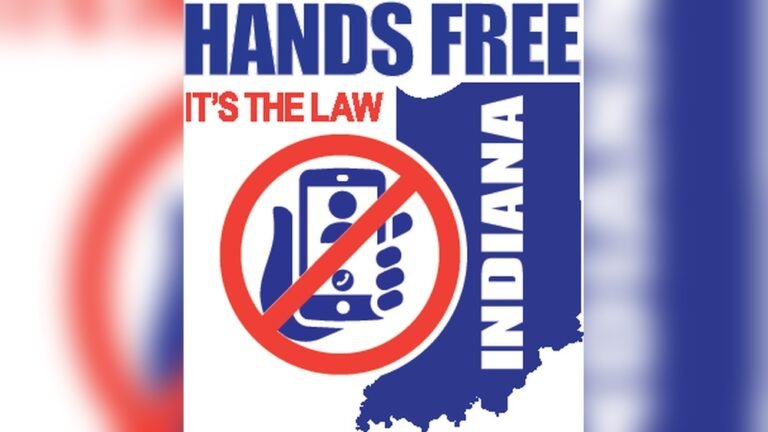
Distracted driving is illegal. Drivers cannot text or use a phone without hands-free devices. Paying full attention to the road lowers accident risks.
Credit: cohenandmalad.com
Fault And Liability In Crashes
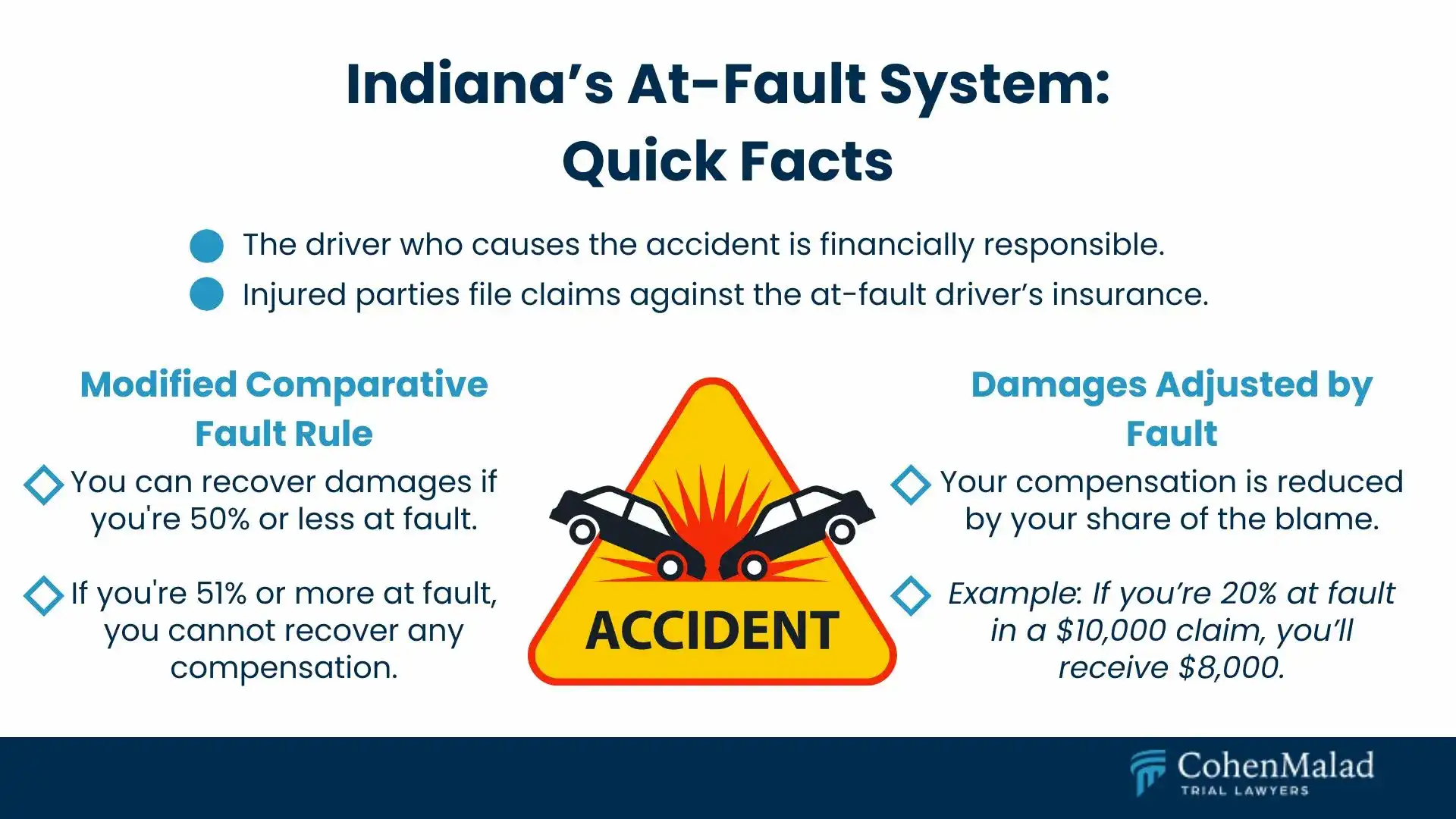
Understanding fault and liability is key after a car accident in Indiana. Fault means who caused the crash. Liability means who must pay for damages. Indiana uses specific rules to decide these points. This affects insurance claims and legal cases.
Comparative Negligence System
Indiana follows a comparative negligence rule. This means fault can be shared between drivers. Each person’s percentage of fault lowers their compensation. For example, if you are 30% at fault, you lose 30% of your claim. This system aims to be fair to all parties.
Determining Responsibility
Police reports help determine who caused the crash. Witnesses and evidence also play important roles. Insurance companies investigate to assign fault. Courts may decide if parties disagree on fault. Clear evidence leads to faster resolutions in claims.
Reporting And Documentation
After a car accident in Indiana, reporting and documentation are crucial. These steps protect your rights and help with insurance claims. Clear records can prevent future problems and confusion.
Indiana law sets specific rules about when and how to report an accident. Knowing these rules helps you avoid penalties and ensures proper handling of the situation. Documentation also helps the police and insurance companies understand what happened.
When To Report An Accident
You must report an accident to the police if it causes injury or death. Reporting is also required if property damage is over $1,000. The police report creates an official record of the crash. This report can be used later for claims or legal cases.
If the accident is minor with no injuries and less than $1,000 in damage, you may not need to call the police. Still, it is wise to exchange information with the other driver and document the scene yourself.
Required Information And Forms
After an accident, gather key details to complete reports. Collect names, addresses, and phone numbers of all drivers and witnesses. Write down insurance information for each driver involved.
Take photos of the accident scene and vehicle damage. These images support your claim and provide evidence. You will also need to fill out the Indiana Traffic Crash Report form if the police do not come.
Submit the completed form to the Indiana Bureau of Motor Vehicles within ten days. This step is required by law for accidents meeting reporting criteria. Proper documentation speeds up insurance processing and legal procedures.
Insurance Requirements
Insurance is a key part of driving in Indiana. The law requires every driver to have car insurance. This protects drivers and others on the road. It helps cover costs after accidents, like damage or medical bills.
Knowing the insurance rules helps you stay safe and legal. It also makes handling accidents easier. The state sets specific rules about the minimum insurance coverage you must carry. Understanding these rules can save you from penalties and stress.
Minimum Coverage Limits
Indiana law requires drivers to have at least these coverage amounts:
- $25,000 for bodily injury per person
- $50,000 for total bodily injury per accident
- $25,000 for property damage per accident
This is called liability insurance. It pays for injuries and damage you cause to others. You must carry proof of insurance whenever you drive.
Filing Claims After An Accident
After a crash, you must notify your insurance company quickly. This starts the claim process. You should provide all details honestly and clearly.
Your insurer will investigate the accident and decide on payments. Meeting deadlines is important to avoid claim denial. Keep records of all reports, bills, and communications.
Reporting accidents to the police may also be required depending on the damage or injuries.
Legal Remedies And Time Limits
Understanding legal remedies and time limits after a car accident in Indiana is important. These rules affect your right to claim compensation. Knowing the deadlines can help you avoid losing your case.
Indiana law provides specific steps to follow after a car accident. You can file a lawsuit to seek damages for injuries or property loss. But you must act quickly.
Filing A Lawsuit
Filing a lawsuit starts the legal process to get compensation. You must prove the other driver caused the accident. Evidence like police reports and witness statements helps your case.
You can claim damages for medical bills, lost wages, and pain. Hiring a lawyer improves your chances of success. They guide you through paperwork and court procedures.
Statute Of Limitations
The statute of limitations is a deadline to file a lawsuit. In Indiana, this limit is usually two years from the accident date. Missing this deadline means losing your right to sue.
Some cases have different limits, like claims against government entities. Knowing the exact deadline for your case is crucial. Act quickly to protect your legal rights.
Credit: pb-law.com
Frequently Asked Questions
What Should I Do Immediately After A Car Accident In Indiana?
First, check for injuries and call 911 if needed. Next, move to a safe spot and exchange info with other drivers. Always report the accident to the police.
How Does Indiana Determine Fault In Car Accidents?
Indiana follows a “fault” system, meaning the responsible driver pays for damages. Fault is based on who caused the crash by breaking traffic laws or driving carelessly.
What Are Indiana’s Car Accident Reporting Requirements?
You must report any accident with injury, death, or over $1,000 in property damage to the police. File a written report within 10 days if the police don’t.
How Long Do I Have To File A Car Accident Lawsuit In Indiana?
The deadline, or statute of limitations, is two years from the accident date. After that, you usually cannot sue for injuries or damages.
Does Indiana Require Car Insurance For All Drivers?
Yes. Indiana law requires all drivers to have liability insurance. The minimum coverage is $25,000 for injury per person, $50,000 per accident, and $25,000 for property damage.
Conclusion
Understanding Indiana’s car accident laws helps protect your rights and safety. Knowing what to do after a crash can reduce stress and legal trouble. Always report accidents and exchange information with others involved. Seek medical help even for minor injuries.
Following these rules makes the process clearer and fairer for everyone. Stay informed to handle accidents calmly and confidently. Knowledge is your best tool on Indiana roads.

Ismail Hossain is the founder of Law Advised. He is an Divorce, Separation, marriage lawyer. Follow him.