Property Abandonment Laws in Indiana: Essential Guide for Homeowners
Are you worried about what happens when a property is left empty for too long in Indiana? Understanding property abandonment laws can protect your rights and investments.
Whether you own a home, manage real estate, or are simply curious, knowing these rules helps you avoid costly surprises. This article breaks down the key facts you need to know, so you can take action with confidence. Keep reading to discover how Indiana handles abandoned properties and what it means for you.
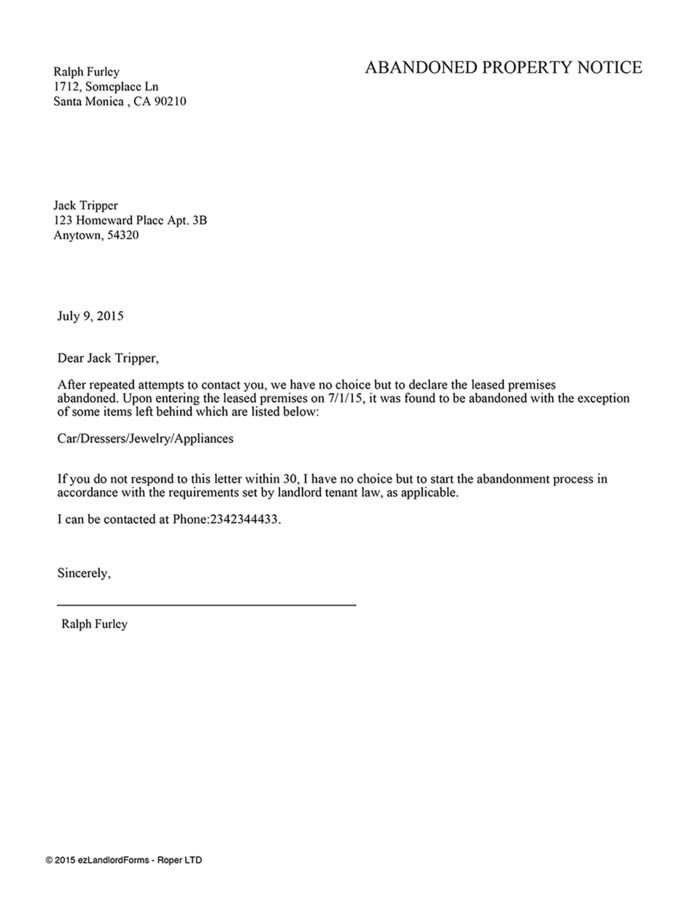
Credit: www.ezlandlordforms.com
Abandonment Criteria In Indiana
Understanding the criteria for property abandonment in Indiana is crucial for property owners and local authorities. This knowledge helps identify when a property is legally considered abandoned. It also guides the steps for reclaiming or managing such property under state law.
Indiana has specific rules that define abandonment. These rules include how long a property must be left empty and what signs show a property is no longer cared for. Knowing these details can prevent legal issues and help maintain community safety.
Legal Definition Of Abandonment
In Indiana, abandonment means the owner has given up possession and control of a property. The owner does not plan to return or maintain the property. This definition applies to residential, commercial, and industrial properties.
To prove abandonment, authorities look for a clear intention to stop caring for the property. This intention is key in legal cases about abandoned property.
Time Frames For Property Abandonment
Indiana law sets specific time periods to declare a property abandoned. Usually, a property is considered abandoned if left vacant for 30 days or more. Some local rules may require longer periods.
These time frames help officials decide when they can start legal actions. Actions might include fines, repairs, or even taking ownership.
Indicators Of Abandoned Property
Certain signs often show a property is abandoned. These include broken windows, overgrown yards, and unpaid utility bills. Lack of maintenance and no visible use are also strong indicators.
Authorities use these signs to inspect and confirm abandonment. Clear evidence helps protect neighborhoods from neglected properties.
Rights And Responsibilities Of Homeowners
Homeowners in Indiana face clear rights and responsibilities regarding property abandonment. Knowing these rules helps protect your investment. It also prevents legal trouble and neighborhood issues.
Owning a vacant or abandoned property comes with duties. Keeping the property safe and maintained is essential. You must also prevent illegal use and report problems promptly.
Maintaining Vacant Properties
Indiana law requires owners to keep vacant properties in good condition. Regular maintenance stops damage and decay. This includes mowing grass, fixing broken windows, and removing trash. A well-kept property reduces risks and keeps the neighborhood safe.
Preventing Unauthorized Use
Vacant homes can attract trespassers or squatters. Owners must secure their properties with locks and fences. Posting no trespassing signs may help. Taking these steps lowers chances of theft, vandalism, or illegal activities.
Reporting Abandoned Property
If you suspect a property is abandoned, report it to local authorities. They can check for safety hazards and code violations. Reporting helps officials enforce laws and protect the community. Prompt action benefits both owners and neighbors.
Legal Procedures For Property Abandonment
Legal procedures for property abandonment in Indiana protect both property owners and tenants. These rules ensure clear steps when a property is left without notice or care. The law guides how authorities and owners act to handle abandoned property. Understanding these steps helps avoid confusion and legal trouble.
Notifying Authorities
Property owners must inform local authorities about abandoned properties. This step starts the legal process to protect the property. Authorities may inspect the property to confirm abandonment. Notification helps prevent illegal use or damage. It also allows authorities to record the property status officially.
Filing Abandonment Claims
Owners or landlords must file an abandonment claim with the court. This claim shows proof that the property is abandoned. The court reviews evidence like unpaid rent and the tenant’s absence. Filing the claim starts the legal right to take control. This process protects owners from wrongful claims by former tenants.
Eviction And Repossession Process
After filing, owners can begin eviction procedures if tenants left belongings behind. The court sets a hearing to decide on eviction. If approved, the owner can repossess the property legally. This process follows strict rules to respect tenant rights. Proper eviction avoids disputes and future legal issues.

Credit: www.leaserunner.com
Consequences Of Property Abandonment
Abandoning a property in Indiana leads to serious consequences. These effects go beyond just losing a home. Property abandonment affects taxes, legal responsibilities, and the overall value of the property. Understanding these outcomes helps owners avoid costly problems.
Impact On Property Taxes
Property taxes still apply to abandoned homes. Owners must pay taxes even without living in the property. Late payments cause extra fees and penalties. Unpaid taxes can lead to a tax lien. The government may sell the property to recover unpaid taxes. This process can result in the loss of ownership.
Liabilities And Penalties
Abandoned properties can create legal troubles. Owners remain responsible for maintaining the property. Neglecting upkeep can cause fines from local authorities. Dangerous conditions may lead to liability if someone gets hurt. Indiana law requires property owners to keep homes safe. Ignoring these rules risks costly lawsuits and penalties.
Effects On Property Value
Abandoned properties often lose value quickly. Lack of maintenance causes damage and decay. Neighbors may avoid the area, lowering demand. This decline affects the entire neighborhood’s property values. Restoring value needs time and money. Abandonment creates a negative impression that can last for years.
Resources For Indiana Homeowners
Indiana homeowners face many challenges with property abandonment laws. Understanding available resources helps protect your property rights. This section provides key information on local agencies, legal help, and tips to prevent abandonment issues.
Local Government Agencies
Local government offices play a vital role in property management. County assessor offices keep records of property ownership. City code enforcement departments check for abandoned properties. They enforce rules and notify owners about violations. Indiana housing authorities offer programs to support homeowners. Visit your city or county website for contact details.
Legal Assistance Options
Legal help is crucial for complicated abandonment cases. Indiana offers free or low-cost legal aid for homeowners. Law clinics at local universities provide advice and support. Private attorneys specialize in property and real estate law. They guide you through court processes and paperwork. Seek legal advice early to avoid costly mistakes.
Preventive Measures And Tips
Preventing property abandonment starts with regular upkeep. Check your property often for signs of damage or neglect. Pay property taxes and utility bills promptly. Rent or sell unused properties to avoid abandonment claims. Keep clear records of maintenance and communications. Inform neighbors or local officials if you plan to be away.
Credit: journalistsresource.org
Frequently Asked Questions
What Defines Property Abandonment Under Indiana Law?
Property abandonment means the owner stops using or caring for the property. It shows no clear plans to return. Indiana law looks at how long the property is left unused.
How Long Before A Property Is Legally Abandoned In Indiana?
Indiana does not set a fixed time to call property abandoned. Courts consider the owner’s intent and how long the property is empty. Usually, months of neglect can count as abandonment.
What Happens To Abandoned Properties In Indiana?
Local authorities can take control of abandoned properties. They may clean, repair, or sell the property to cover unpaid taxes. Owners might lose their rights if they do not respond.
Can Owners Reclaim Abandoned Property In Indiana?
Yes, owners can reclaim property if they prove they want to return. They must act quickly before the property is sold or given to someone else. Legal help is often needed to prove ownership.
What Legal Risks Do Owners Face With Abandoned Property?
Owners risk losing property rights if they abandon it too long. They may owe fines, fees, or taxes on the neglected property. It can also lower the property’s value and cause legal trouble.
Conclusion
Understanding Indiana’s property abandonment laws helps protect your rights. These laws set clear rules for owners and neighbors. Acting quickly can prevent legal problems and property loss. Knowing the steps makes handling abandoned property easier. Stay informed to make smart decisions and avoid surprises.
Property laws can seem complex, but simple knowledge goes a long way. Keep this guide handy for future reference. It’s better to be prepared than confused later.

Ismail Hossain is the founder of Law Advised. He is an Divorce, Separation, marriage lawyer. Follow him.