Bicycle Riding Laws in California: Essential Rules Every Rider Must Know
Are you ready to hit the road on your bike in California? Before you pedal away, it’s important to know the rules that keep you safe and out of trouble.
Understanding bicycle riding laws in California isn’t just about following the law—it’s about protecting yourself and others every time you ride. Whether you’re commuting, exercising, or just enjoying a weekend ride, knowing what’s expected can make your experience smoother and more enjoyable.
Keep reading to discover the key laws you need to know to ride confidently and stay safe on California’s streets.
Credit: www.livermoreca.gov
Helmet And Safety Gear Requirements
Bicycle safety is important for every rider in California. Wearing the right helmet and gear helps protect you from injuries. The state has clear rules about helmets and other safety equipment. Knowing these rules keeps you safe and follows the law.
Helmet Laws For Different Age Groups
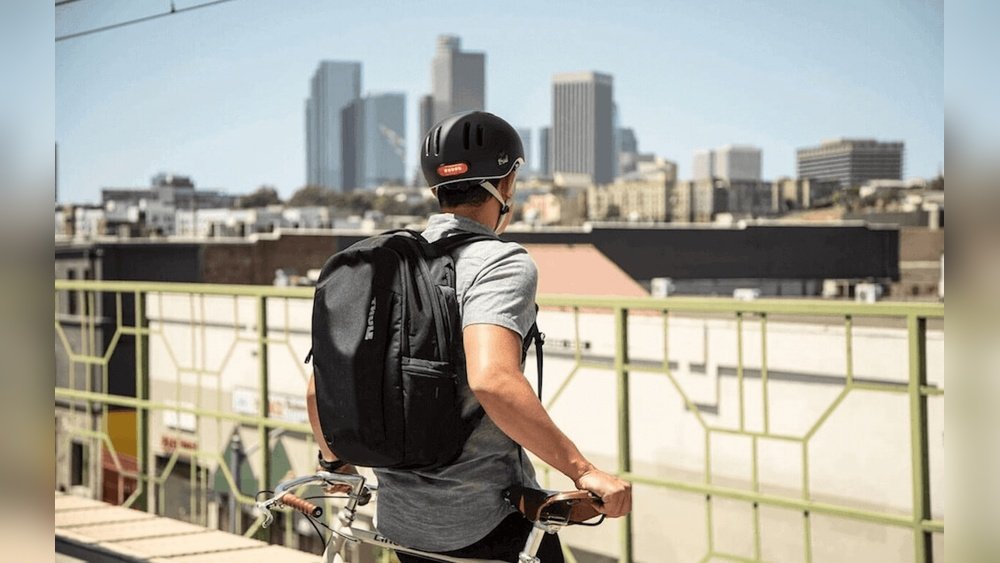
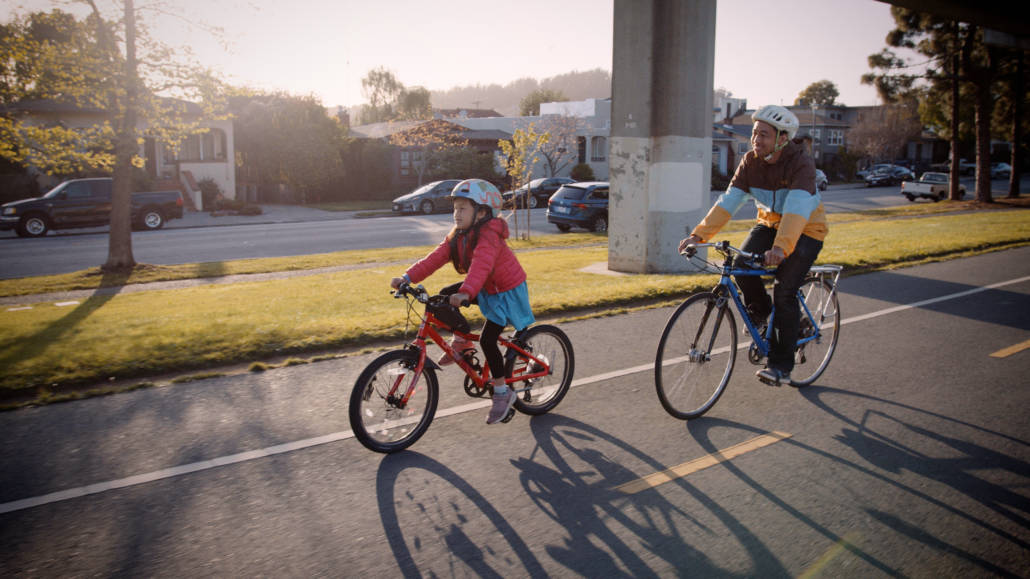
California requires helmets for riders under 18 years old. Children and teens must wear a properly fitted helmet. Adults do not need to wear helmets by law. Still, wearing a helmet is a smart choice for all ages. It reduces the risk of head injury during accidents.
Additional Safety Equipment
Besides helmets, some safety gear improves protection. Gloves protect hands from scrapes and help grip the handlebars. Knee and elbow pads can reduce bruises during falls. Wearing bright or reflective clothing makes riders easier to see. These simple items add an extra layer of safety on the road.
Visibility And Lighting Rules
California law requires front and rear lights on bikes at night. A white front light must shine visible from 300 feet. A red rear reflector or light is also needed. Reflectors on pedals and wheels increase visibility. These rules help drivers see cyclists in low light or dark conditions.
Traffic Rules For Cyclists
Bicycle riding in California requires following specific traffic rules. These rules keep cyclists safe and help them share the road with cars and pedestrians. Knowing the traffic laws is important for every cyclist.
These laws cover how to use lanes, when to give way, how to signal, and speed limits. Observing these rules reduces accidents and ensures smooth traffic flow.
Right-of-way And Lane Usage
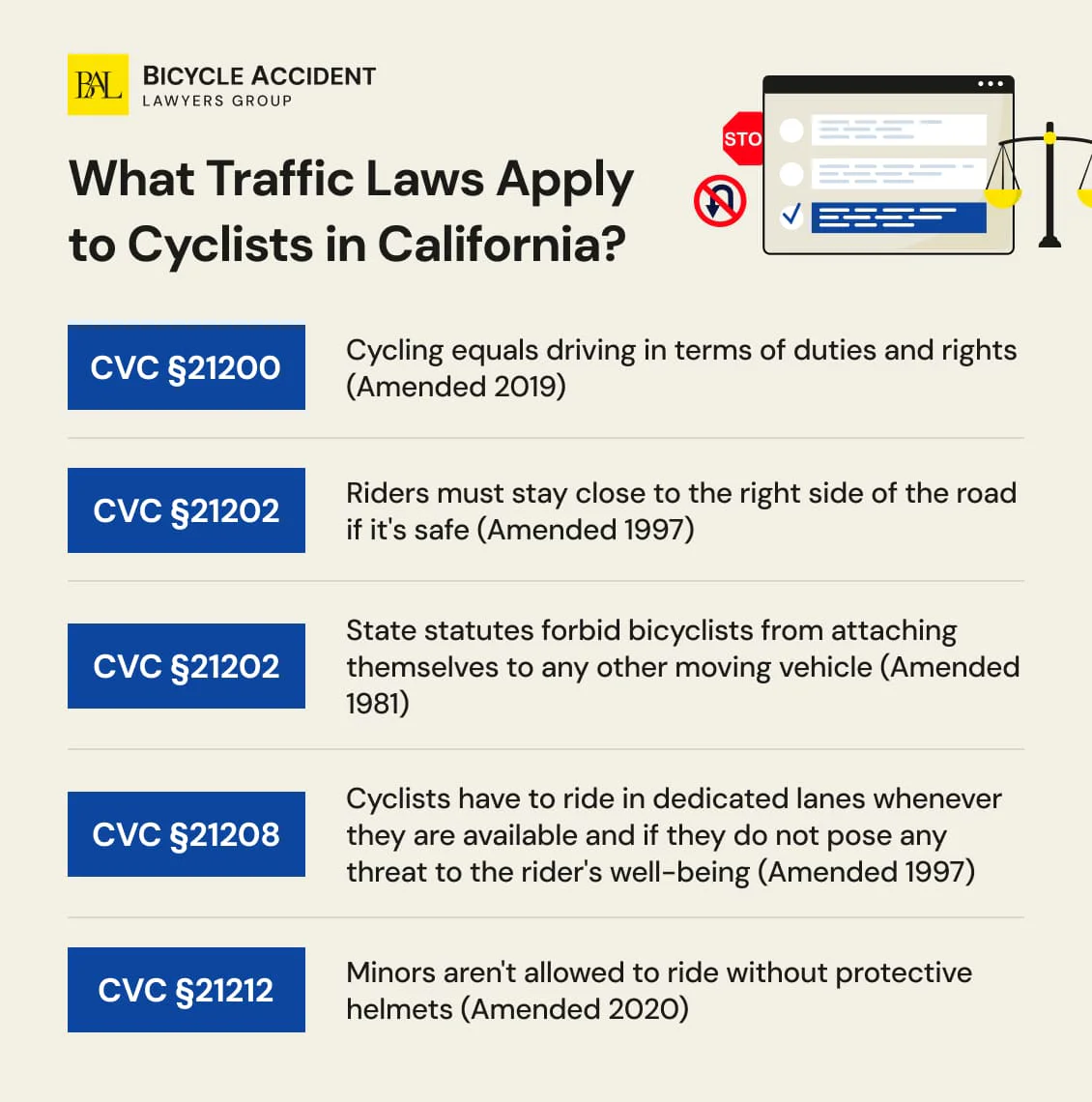
Cyclists must follow the same right-of-way rules as drivers. Yield to pedestrians at crosswalks. Stop at red lights and stop signs. Use bike lanes whenever available. If no bike lane exists, ride as close to the right side of the road as possible. Avoid riding on sidewalks unless local signs allow it. Ride in single file on busy streets to avoid blocking traffic.
Signaling And Communication
Signaling is crucial for safe riding. Use hand signals to show turns and stops. Extend your left arm straight out to turn left. Bend your left arm upward to turn right or extend your right arm. Point down or bend your arm downward to signal a stop. Make eye contact with drivers to ensure they see you. Use a bell or horn to alert pedestrians or other cyclists.
Speed Limits And Restrictions
Cyclists must obey posted speed limits. Slow down in crowded areas and near schools. Avoid weaving between cars or riding too fast on bike paths. Some parks and trails have specific speed limits for bikes. Always ride at a speed that allows you to stop safely. Riding too fast increases accident risk and can lead to fines.
Legal Responsibilities And Penalties
Bicycle riders in California must follow specific laws to ensure safety. These laws protect riders, pedestrians, and drivers alike. Understanding legal responsibilities helps avoid trouble and keeps everyone safe on the road.
Consequences Of Violating Bicycle Laws
Breaking bicycle laws can lead to fines and penalties. Police may issue tickets for running red lights or riding without lights at night. Repeated violations can increase fines and lead to court appearances. Some violations might also result in community service or mandatory safety classes.
Liability In Accidents
Bicyclists share responsibility in accidents. If a rider causes a crash, they may be liable for damages. Liability depends on who was at fault and the accident’s circumstances. Victims can seek compensation for injuries or property damage. Riders should always follow traffic rules to reduce risk and legal trouble.
Required Insurance And Registration
California does not require bicycle insurance or registration. Unlike motor vehicles, bikes are exempt from these rules. Still, riders may choose to get insurance for extra protection. Some homeowner policies cover bicycle accidents or theft. Checking with your insurance provider can clarify coverage options.
Credit: bicycleaccidentlawyers.com
Special Regulations For Different Areas
Bicycle riding laws in California change based on the area you ride in. Different places have unique rules to keep riders safe and protect the environment. Understanding these special regulations helps you avoid fines and ride responsibly.
Rules In Urban Vs. Rural Settings
Urban areas have more traffic and crowded streets. Riders must obey traffic signals and use bike lanes where available. Helmets are often required for all ages in cities. Rural areas have fewer cars but less lighting and narrow roads. Riders should wear bright clothes and use lights at night. Speed limits and passing rules may differ between these areas.
Park And Trail Restrictions
Many parks have specific rules for bikes. Some trails allow only non-motorized bicycles. Other parks may limit riding to certain hours or days. Check signs before entering. Riding off marked paths is usually prohibited to protect plants and wildlife. Respect park rules to keep trails open for everyone.
Local Ordinances And Variations
Each city or county may have its own bike laws. Some places require bells or horns on bikes. Others may ban riding on sidewalks or require lights after sunset. Local laws can affect where and how you ride. Always check local rules before biking in a new area.
Credit: www.calbike.org
Frequently Asked Questions
What Are The Basic Bicycle Laws In California?
California requires cyclists to follow traffic signals and ride on the right side. Helmets are mandatory for riders under 18 years old. Bicyclists must use lights at night for safety.
Is It Legal To Ride A Bike On Sidewalks In California?
Local cities decide if sidewalk riding is allowed. Some places permit it, while others ban it for safety reasons. Always check local rules before riding on sidewalks.
Do California Bike Riders Need A License Or Registration?
No license or bike registration is required for cyclists in California. Anyone can ride a bike without special permits. Just follow the traffic laws like any vehicle.
What Safety Equipment Is Required For Bicyclists In California?
A white front light and a red rear reflector are needed at night. Helmets are required for riders under 18 years old. Bells or horns are also recommended to alert others.
Conclusion
Bicycle riding laws in California help keep everyone safe on the road. Knowing these rules can prevent accidents and fines. Always wear a helmet and follow traffic signals. Use lights and reflectors when riding at night. Stay alert and respect other road users.
Riding a bike is fun and healthy, but safety comes first. Keep these laws in mind every time you ride. Stay safe and enjoy your ride!

Ismail Hossain is the founder of Law Advised. He is an Divorce, Separation, marriage lawyer. Follow him.