Animal Abuse Laws in Kentucky: Essential Facts Every Resident Must Know
Are you concerned about how animals are protected in Kentucky? Understanding animal abuse laws in your state is crucial if you want to make sure your furry friends—and all animals—are safe from harm.
These laws don’t just punish offenders; they also help prevent cruelty before it happens. You’ll discover what the laws cover, what counts as abuse, and how you can take action if you see something wrong. Keep reading to learn how you can be a voice for those who can’t speak for themselves.
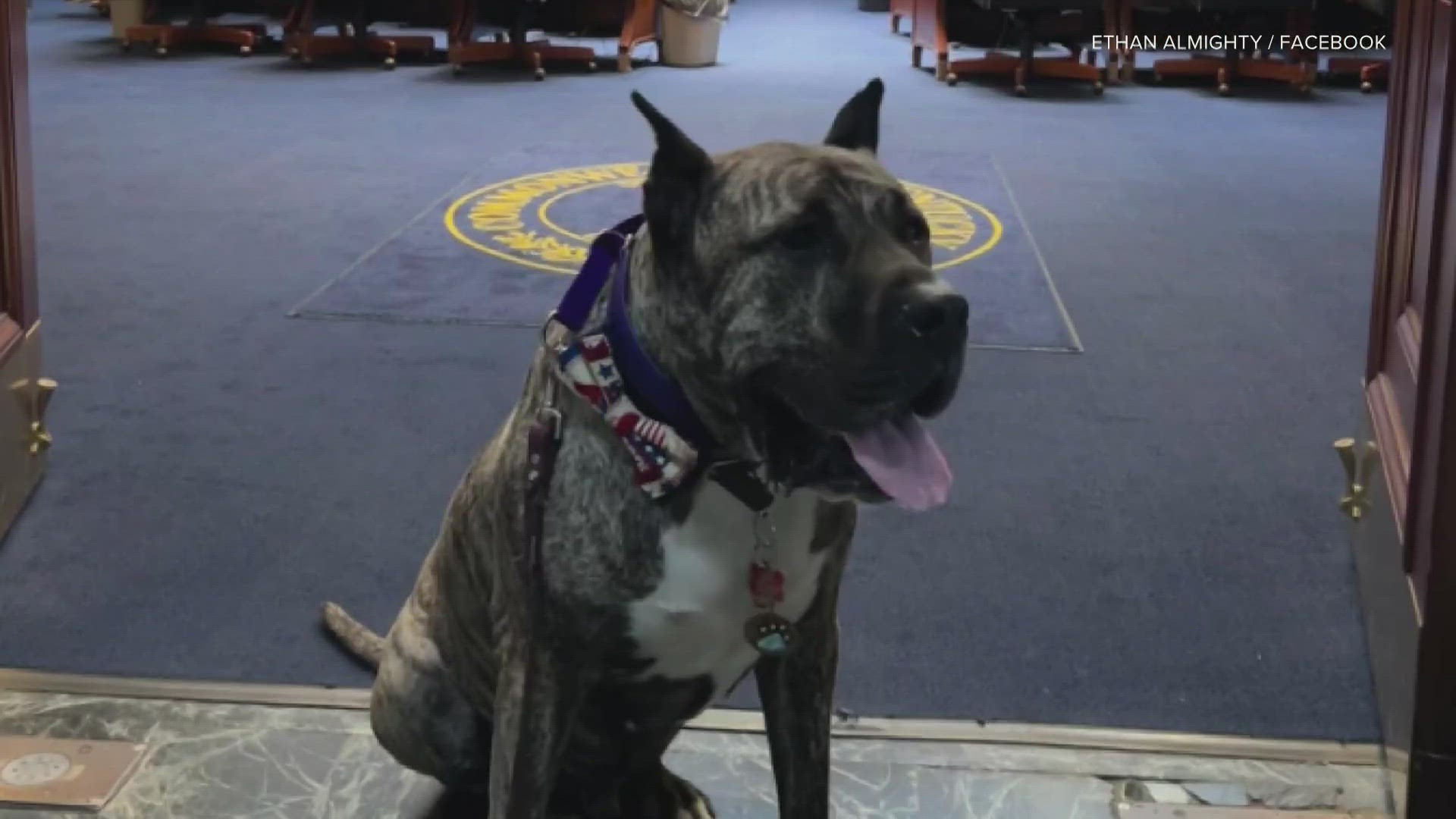
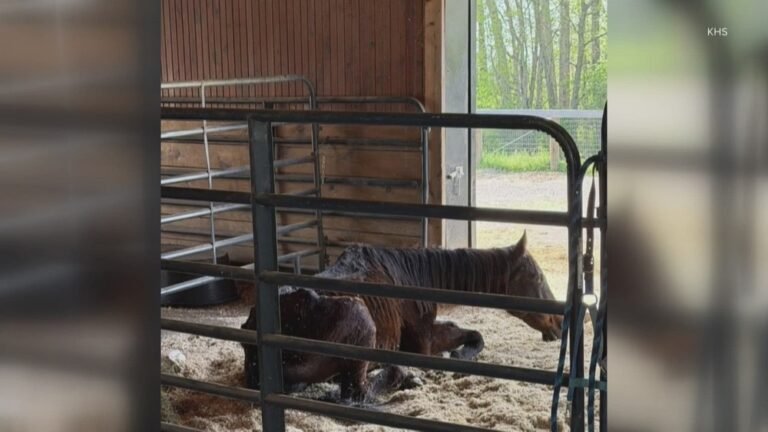
Credit: www.whas11.com
Kentucky Animal Abuse Laws
Kentucky has clear laws to protect animals from abuse and neglect. These laws punish people who harm animals on purpose or fail to care for them. The state wants to keep animals safe and healthy.
Understanding these laws helps everyone know their responsibilities. It also helps protect pets, farm animals, and wildlife.
Kentucky’s Definition Of Animal Abuse
Animal abuse in Kentucky means causing harm or pain to an animal on purpose. It also includes neglect, like not giving food, water, or shelter. The law covers both pets and farm animals.
Penalties For Animal Abuse
People who abuse animals can face serious penalties. These include fines and jail time. The punishment depends on the abuse severity and the animal’s condition.
Reporting Animal Abuse
Anyone can report animal abuse to local authorities. Kentucky encourages people to speak up to protect animals. Quick reports help save animals from harm.
Animal Cruelty Investigations
Law enforcement officers investigate animal cruelty reports. They gather evidence and decide if charges are needed. Investigations ensure abusers are held responsible.
Types Of Animal Abuse Recognized
Kentucky law defines several types of animal abuse to protect animals from harm. These categories help law enforcement identify and punish those who mistreat animals. Understanding these types clarifies what actions are illegal and harmful.
Each type of abuse has specific characteristics. The law covers both physical harm and neglect. This ensures all forms of cruelty receive attention and justice.
Physical Abuse
Physical abuse means causing injury to an animal on purpose. It includes hitting, kicking, burning, or any violent act. This type of abuse often leaves visible wounds or broken bones. Kentucky law treats physical abuse as a serious crime.
Neglect And Starvation
Neglect means failing to provide basic care for an animal. This includes not giving enough food, water, or shelter. Starving an animal is a common form of neglect. The law requires owners to meet animals’ essential needs.
Animal Fighting
Using animals for fighting is illegal in Kentucky. Dogfighting and cockfighting cause severe harm and death. Organizing or attending these fights is a crime. The state works hard to stop animal fighting rings.
Abandonment
Abandoning an animal means leaving it without care or protection. Animals left alone in harsh weather or dangerous places suffer greatly. Kentucky law punishes those who abandon pets or livestock.
Overworking And Improper Confinement
Forcing animals to work too hard or keeping them in small spaces causes harm. Kentucky law limits how much work animals can do and how they must be housed. Proper care includes enough space and rest.
Legal Penalties For Offenders
Animal abuse laws in Kentucky carry serious penalties for offenders. These punishments aim to stop cruelty and protect animals. The law treats animal abuse as a crime with strict consequences.
Penalties depend on the abuse type and the animal’s condition. Courts may impose fines, jail time, or both. Repeat offenders face harsher punishments than first-timers.
Fines And Restitution
Offenders often pay fines as a penalty for animal abuse. These fines can range from hundreds to thousands of dollars. Courts may also require offenders to pay for the animal’s medical care. Restitution helps cover costs caused by the abuse.
Jail And Prison Time
Some animal abuse cases lead to jail or prison sentences. Kentucky law allows jail time for serious or repeat offenses. Sentences can last from days to years. Jail time aims to deter others from harming animals.
Probation And Community Service
Courts may order probation instead of jail for lesser offenses. Probation requires regular check-ins with an officer. Offenders might also do community service. This service often involves animal shelters or public education.
Enhanced Penalties For Severe Cases
Severe abuse cases get stronger penalties. Torture or killing an animal can lead to felony charges. Felony convictions bring longer prison terms and larger fines. The law treats severe abuse as a serious crime.
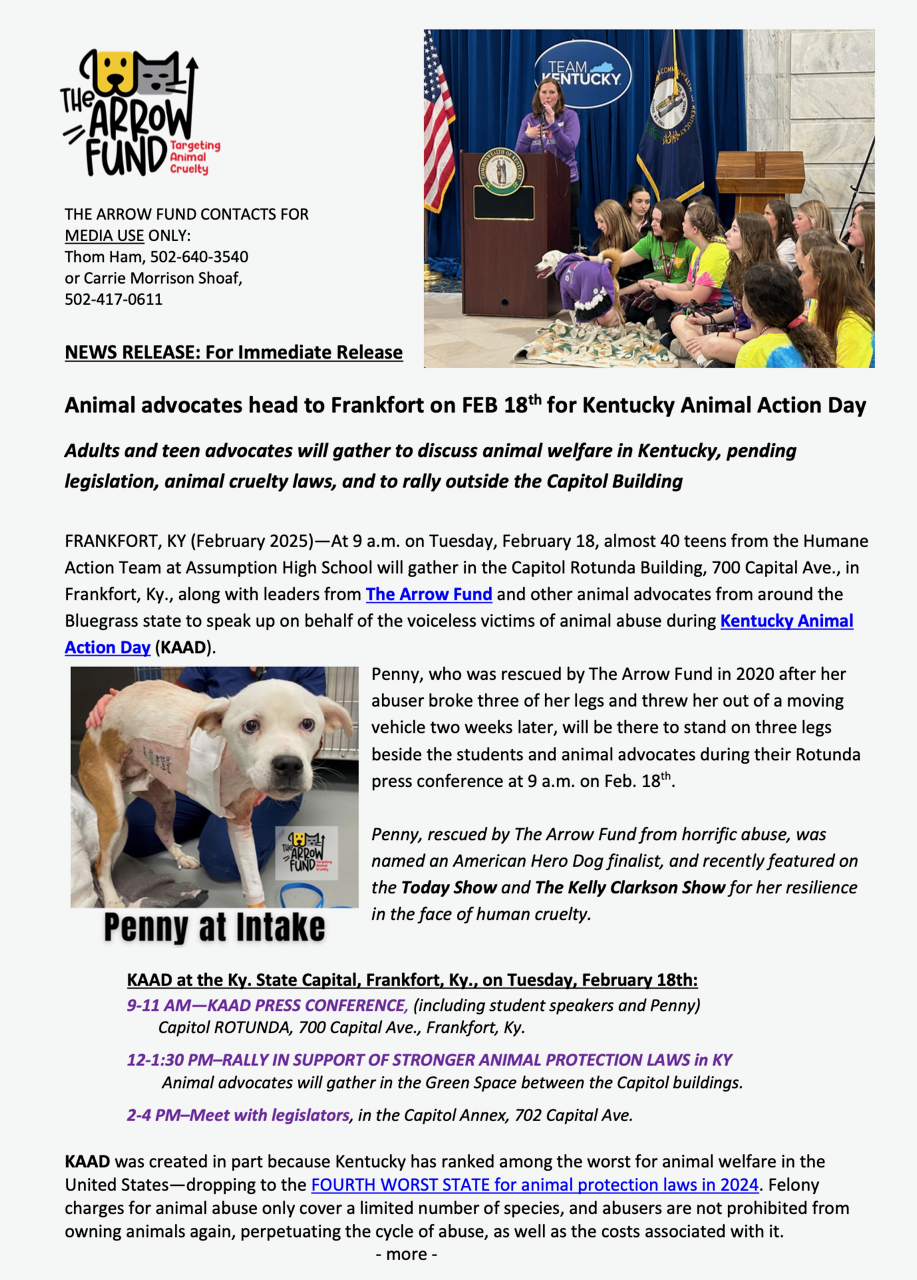
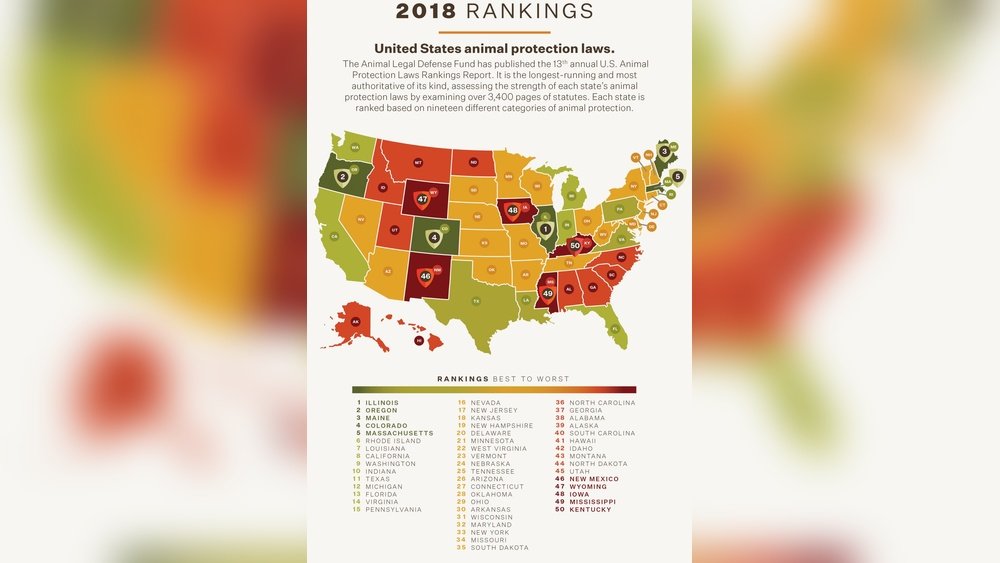
Credit: thearrowfund.org
Reporting Animal Abuse In Kentucky
Reporting animal abuse in Kentucky plays a key role in protecting animals. Citizens must know how to act if they see cruelty or neglect. Quick and proper reporting helps authorities respond fast. This section explains where and how to report abuse effectively.
How To Identify Animal Abuse
Look for signs like wounds, malnutrition, or poor living conditions. Notice animals left in extreme weather or without food. Abuse can also mean cruel treatment or neglect. Recognizing these signs is the first step to help.
Who To Contact For Animal Abuse Reports
Call local animal control or the police to report abuse. Kentucky also has animal protection groups ready to help. Some counties have special hotlines for animal cruelty. Providing clear details makes investigations easier.
What Information To Provide When Reporting
Give the location and description of the animal. Explain what you saw and when it happened. Include any photos or videos if possible. Your contact details help authorities follow up if needed.
Legal Protections For Reporters
Kentucky law protects people who report animal abuse in good faith. You cannot be punished for making a truthful report. This encourages more people to speak up for animals.
Protecting Animals: Resident Responsibilities
Protecting animals is a key duty for Kentucky residents. The state has strict laws to prevent cruelty and harm. Every animal owner must follow these rules to keep pets safe and healthy.
Taking care of animals means providing food, water, and shelter. It also means ensuring they get medical care when needed. Neglect can cause serious suffering and is against the law.
Providing Proper Shelter And Care
Animals must have safe, clean places to live. Shelter protects pets from extreme weather and danger. Owners must keep living areas clean and free from hazards.
Feeding And Hydrating Animals Regularly
Animals need fresh food and water every day. Starving or dehydrating an animal is a serious offense. Proper nutrition keeps pets healthy and happy.
Seeking Veterinary Care When Needed
Pets must receive prompt medical attention for injuries or illnesses. Regular check-ups prevent health issues. Delaying care can cause pain and worsen conditions.
Preventing Abuse And Cruelty
Harming or mistreating animals is illegal in Kentucky. Physical abuse, neglect, and abandonment carry penalties. Residents must treat animals with kindness and respect.
Reporting Suspected Animal Abuse
Residents should report cruelty to local authorities. Early action can save animals from harm. The community plays a vital role in protecting pets.

Credit: www.youtube.com
Frequently Asked Questions
What Animals Are Protected Under Kentucky’s Abuse Laws?
Kentucky laws protect all domesticated animals like dogs, cats, horses, and livestock. Wild animals are generally not covered unless under specific care. This helps ensure the safety of common pets and farm animals.
What Penalties Exist For Animal Abuse In Kentucky?
Animal abuse can lead to fines, jail time, or both, depending on the case. Serious abuse may result in felony charges. These punishments help deter cruelty and protect animals.
How Can Someone Report Animal Abuse In Kentucky?
Abuse can be reported to local police, animal control, or the Kentucky Humane Society. Providing detailed information helps authorities act quickly. Reporting is key to stopping animal cruelty.
Are There Special Laws For Animal Fighting In Kentucky?
Yes, Kentucky strictly prohibits dogfighting and cockfighting. These crimes carry heavy fines and jail sentences. The laws aim to end cruel animal fights and punish offenders.
Conclusion
Kentucky’s animal abuse laws protect animals from harm and neglect. These laws help punish those who hurt animals. Knowing these rules can help you keep pets safe. Communities grow stronger when everyone respects animal rights. Stay aware and support efforts to stop abuse.
Together, we make a difference for animals in Kentucky.

Ismail Hossain is the founder of Law Advised. He is an Divorce, Separation, marriage lawyer. Follow him.