Child Abandonment Laws in Nevada: What You Need to Know Today
Are you worried about what happens if a child is left alone or abandoned in Nevada? Understanding child abandonment laws is crucial for your peace of mind and protecting your family.
These laws are designed to keep children safe, but they can be complicated and confusing. You’ll learn exactly what Nevada law says about child abandonment, what consequences you or others might face, and how to handle difficult situations the right way.
Keep reading to get clear answers and know your rights and responsibilities when it comes to child safety in Nevada.

Credit: ndep.nv.gov
Nevada’s Legal Definition Of Child Abandonment
Nevada defines child abandonment as leaving a child without proper care or supervision. This act can lead to serious legal consequences. The law aims to protect children’s safety and well-being.
Child abandonment in Nevada refers to leaving a child without proper care or supervision. The law aims to protect children from harm or neglect. It focuses on situations where a child is left alone or with no one responsible for their safety.
Nevada law defines abandonment as the intentional desertion of a child under 18 years old. This act must show a clear lack of concern for the child’s well-being. It includes leaving a child in a place where they cannot get help or care.
Key Elements Of Child Abandonment In Nevada
To prove abandonment, the state looks for certain key facts. The child must be left without adequate care or supervision. The parent or guardian must have intentionally left the child. The act must put the child at risk of harm.
Leaving a child alone for a short time is not always abandonment. The law considers the child’s age, the location, and the child’s ability to care for themselves. Leaving a young child in a dangerous place is seen as abandonment.
Legal Consequences Of Abandonment
Abandoning a child in Nevada carries serious legal consequences. It is classified as a crime that may result in fines or jail time. The severity depends on the child’s age and the danger caused. The law also allows child protective services to intervene quickly.
Parents or guardians can lose custody if found guilty of abandonment. The state prioritizes the child’s safety and may place the child with relatives or foster care. The goal is to prevent future harm and provide a safe environment.
Consequences For Abandoning A Child
Abandoning a child in Nevada is a serious crime with strict penalties. The law protects children from neglect and harm. Anyone caught leaving a child without care faces legal consequences. These punishments aim to keep children safe and hold adults responsible.
Criminal Charges For Child Abandonment
Leaving a child alone can lead to criminal charges. Nevada law treats child abandonment as a felony or misdemeanor. The severity depends on the child’s age and risk of harm. Charges can include neglect and endangerment.
Possible Jail Time
Those convicted may face jail or prison sentences. Time behind bars varies with the case details. Serious abandonment cases often result in longer prison terms. Jail time serves to deter people from abandoning children.
Fines And Financial Penalties
Fines are common punishments for child abandonment. Courts may order significant monetary penalties. These fines add financial pressure on offenders. They work alongside jail time to enforce the law.
Loss Of Parental Rights
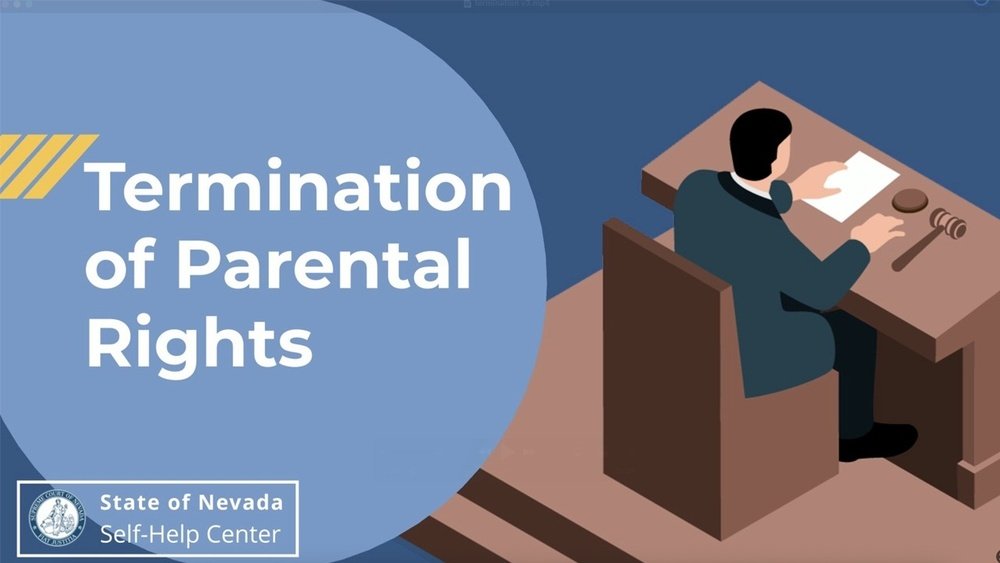
Parents who abandon children risk losing custody. Courts may terminate parental rights permanently. This protects the child’s welfare and future care. Adoption or foster care becomes the next step for the child.
Impact On Future Opportunities
A child abandonment record affects future jobs and housing. Criminal records limit chances for many opportunities. Background checks reveal these serious offenses. Consequences extend beyond legal penalties to daily life.
Safe Haven Laws In Nevada
Nevada’s Safe Haven Laws allow parents to leave a newborn safely at certain places without facing legal trouble. These laws protect infants from abandonment and ensure their safety. They help keep babies safe when parents cannot care for them.
What Are Safe Haven Laws?
Safe Haven Laws allow parents to leave their newborn babies safely. These laws protect both the child and the parent. The goal is to prevent harm or neglect of newborns. Nevada has its own Safe Haven Law to help in these situations.
Where Can Babies Be Left Safely?
In Nevada, babies can be left at certain places. Hospitals, fire stations, and police stations accept newborns under this law. These places must take care of the baby immediately. No questions are asked to protect the parent’s privacy.
Time Limits For Safe Haven In Nevada
Parents have 72 hours after birth to leave the baby safely. After this time, the law may not protect the parent. It is important to act quickly to ensure the baby’s safety and legal protection.
Legal Protection For Parents
Parents who use Safe Haven Laws in Nevada cannot be charged with abandonment. The law protects parents if they follow the rules. This helps parents who feel unable to care for their newborn.
What Happens To The Baby Next?
Once the baby is accepted, child services take over. They find a safe home for the newborn. The baby may be placed with foster families or adopted. The process focuses on the child’s well-being and safety.

Credit: gastelumattorneys.com
Reporting And Intervention Procedures
Reporting and intervention procedures play a key role in protecting children from abandonment. Nevada law sets clear steps for reporting suspected cases. These steps help ensure quick action to keep children safe. Understanding these procedures helps community members and professionals respond correctly.
Reporting Suspected Child Abandonment
Anyone who suspects a child has been abandoned must report it. Reports go to local child protective services or law enforcement. Reports can be made by phone or online. Callers do not need to give their name. Confidentiality is protected by law to encourage reporting.
Role Of Child Protective Services
Child Protective Services (CPS) investigates every report of abandonment. They visit the child’s home to assess the situation. CPS evaluates the child’s safety and well-being. If danger is found, CPS takes immediate steps to protect the child. They may arrange temporary foster care or other support services.
Law Enforcement Involvement
Law enforcement works with CPS in serious abandonment cases. Police may take the child into protective custody. They also investigate possible criminal charges. Officers gather evidence and interview involved parties. Their role helps ensure justice and child safety.

Credit: www.nnlegalaid.org
Frequently Asked Questions
What Is The Legal Definition Of Child Abandonment In Nevada?
Child abandonment in Nevada means leaving a child without care or supervision. The law protects children under 18 years old. Abandonment can lead to criminal charges.
What Penalties Exist For Child Abandonment In Nevada?
Penalties for child abandonment include fines, jail time, or both. Severity depends on the child’s age and harm caused. Courts focus on the child’s safety.
Can A Parent Lose Custody Due To Abandonment In Nevada?
Yes, abandonment can lead to losing parental rights. Courts may remove custody to protect the child’s welfare. Child services get involved in these cases.
Are There Safe Surrender Laws In Nevada For Newborns?
Nevada allows parents to safely surrender newborns without legal punishment. This law helps protect infants from harm or neglect. Surrender sites include hospitals and fire stations.
Conclusion
Child abandonment laws in Nevada protect children and hold parents responsible. These laws aim to keep kids safe from harm and neglect. Parents must understand their duties and the serious consequences of abandonment. Communities and authorities work together to support vulnerable children.
Knowing the rules helps prevent legal trouble and protects families. Stay informed about Nevada’s laws to help children grow in safe homes. Everyone plays a role in keeping children secure and cared for.

Ismail Hossain is the founder of Law Advised. He is an Divorce, Separation, marriage lawyer. Follow him.