Self Defense Laws in Nevada: Essential Rights and Protections Explained
Knowing your rights when it comes to self-defense can make all the difference if you ever face a dangerous situation. If you live in Nevada or plan to visit, understanding the state’s self-defense laws is crucial for your safety and peace of mind.
You deserve to protect yourself without fear of legal trouble, but the rules can be confusing. This article will break down exactly what you need to know about self-defense laws in Nevada—so you can stay informed, stay safe, and act confidently if the moment ever comes.
Keep reading to learn how the law protects you and what limits you should never cross.
Nevada’s Stand Your Ground Rules
Nevada’s Stand Your Ground rules allow people to protect themselves without retreating. These laws give legal protection when defending against threats. Understanding these rules helps avoid legal trouble after self-defense actions.
When Use Of Force Is Justified
Use of force is allowed only to stop an immediate threat. The threat must be serious, like danger to life or serious injury. You cannot use force to settle disputes or punish others. Force must be reasonable and match the danger faced.
No Duty To Retreat
Nevada law says you do not have to run away. You can stand your ground and defend yourself. This applies in any place you have the right to be. You do not need to try to escape before using force.
Legal Limits On Self-defense
Self-defense cannot be used to justify excessive force. Deadly force is only allowed if there is a threat of death or great harm. Using force after the threat ends is illegal. The law also protects bystanders from harm caused during self-defense.

Credit: www.lvcriminaldefense.com
Castle Doctrine In Nevada
The Castle Doctrine in Nevada is a legal rule about defending yourself at home. It allows people to protect their house without the duty to retreat. This means you can stand your ground if someone breaks in. The law covers your home, and sometimes other places, like your car.
Understanding this doctrine helps Nevada residents know their rights. It clarifies when and how you can use force to protect yourself. The law also sets limits to avoid misuse. This section explains the key parts of the Castle Doctrine in Nevada.
Defending Your Home
The Castle Doctrine lets you use force to defend your home. If someone unlawfully enters, you can act to protect yourself. You do not have to try to escape first. The law assumes a threat is real inside your home. You can use reasonable force, including deadly force, if needed.
This protection applies to your house and other buildings on your property. It covers situations like burglary or home invasion. The law aims to keep people safe inside their own homes.
Protection In Your Vehicle
The Castle Doctrine also applies to your vehicle in Nevada. You have the right to defend yourself if someone attacks you in your car. The vehicle is seen as your temporary home. You do not have to leave or run away first. This law protects you from harm during such incidents.
Force used must be reasonable and only to stop the threat. The law helps you feel safer while driving or parked.
Exceptions And Restrictions
There are limits to the Castle Doctrine in Nevada. You cannot use force if you provoke the attacker. The law does not protect criminal actions or illegal entry. Force must be proportional to the threat faced.
Using deadly force is only allowed if you fear serious injury or death. The law does not cover every situation. Understanding these rules prevents legal trouble after a self-defense act.
Weapons And Self Defense Laws
Understanding weapons and self defense laws in Nevada is vital for personal safety. These laws define what you can carry and how you may use weapons to protect yourself. Knowing these rules helps prevent legal trouble.
Nevada allows certain rights for firearm possession. It also recognizes the use of non-lethal weapons for defense. Each type of weapon has specific rules about its use and carrying.
Firearm Possession Rights
Nevada permits residents to own and carry firearms. You do not need a permit to carry a concealed weapon. However, carrying a firearm openly in public places may have restrictions. Age limits apply for buying and carrying guns. Always check local laws before carrying a firearm in public.
Using Non-lethal Weapons
Non-lethal weapons include pepper spray, stun guns, and batons. Nevada allows the use of these weapons for self-defense. Carrying pepper spray is legal without a permit. Using these tools must be reasonable and only for protection. Misusing non-lethal weapons can lead to legal problems.
Legal Consequences Of Weapon Use
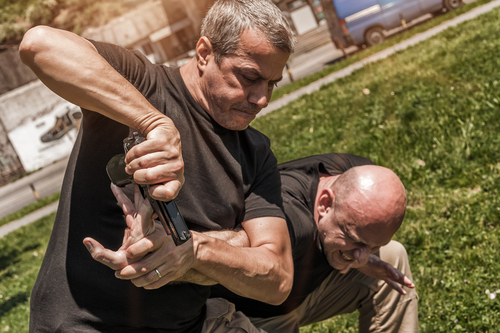
Using any weapon for self-defense must be justified by immediate danger. Excessive force can lead to criminal charges. Nevada law requires that defense actions are proportional to the threat. Unlawful use of weapons can result in fines or jail time. Understanding these consequences helps you stay within the law.
Credit: thevegaslawyers.com
Legal Steps After A Self-defense Incident
After a self-defense incident in Nevada, certain legal steps are crucial. These steps protect your rights and ensure the law views your case fairly. Taking quick and proper action can make a big difference in the outcome.
Reporting To Authorities
Contact the police immediately. Report the incident clearly and calmly. Provide all facts without hiding details. This report creates an official record. It helps protect you from false claims later.
Answer questions honestly but avoid guessing. Do not admit fault or blame others. Let the officers gather evidence at the scene. Your cooperation builds trust and shows good faith.
Seeking Legal Representation
Hire a lawyer experienced in Nevada self-defense law. A good attorney guides you through the legal process. They explain your rights and possible outcomes. They prepare your case and protect your interests.
Do not speak about the incident without your lawyer present. Legal advice can prevent mistakes that hurt your defense. Early legal help increases your chance of a positive result.
Protecting Your Rights In Court
Follow your lawyer’s advice carefully during court proceedings. Keep all documents and evidence organized. Attend all hearings on time and stay respectful. Your behavior impacts how the judge and jury see you.
Present your self-defense story clearly and truthfully. Show that your actions were necessary and reasonable. Stay calm and focused throughout the trial. This approach strengthens your defense and protects your future.
Credit: www.lvnvlawfirm.com
Frequently Asked Questions
What Is Nevada’s Castle Doctrine In Self-defense Laws?
Nevada’s Castle Doctrine lets you defend your home without retreating. You can use force if you believe a threat is serious. This law protects you from legal trouble when defending your property.
Can I Use Deadly Force Outside My Home In Nevada?
Yes, but only if you face a serious threat of harm. Deadly force must be necessary to prevent death or great injury. The law requires that no safe retreat is possible.
Does Nevada Require You To Retreat Before Using Force?
No, Nevada follows a “no duty to retreat” rule. You can stand your ground if you face danger. This means you don’t have to run away before defending yourself.
How Does Nevada Law Treat Self-defense With A Weapon?
Using a weapon in self-defense is legal if the threat is real. The force used must match the level of danger faced. Carrying a weapon comes with responsibility and legal limits.
Conclusion
Understanding Nevada’s self-defense laws helps protect your rights. Know when and how you can legally defend yourself. Always act reasonably and avoid unnecessary force. Remember, the law supports those who protect themselves fairly. Stay informed to stay safe and confident.
Knowledge is your best defense in any situation.

Ismail Hossain is the founder of Law Advised. He is an Divorce, Separation, marriage lawyer. Follow him.