
Custody Laws in Mississippi for Unmarried Parents: What You Must Know
If you’re an unmarried parent in Mississippi, understanding your custody rights can feel confusing and overwhelming. You want what’s best for your child, but the laws might not be clear about how custody works when parents aren’t married.
This article will guide you through the essential facts about custody laws in Mississippi for unmarried parents. By knowing your rights and the legal process, you can take confident steps to protect your relationship with your child. Keep reading to learn what you need to know and how to navigate this important issue.

Credit: www.centralmslaw.com
Custody Rights For Unmarried Parents
Custody rights for unmarried parents in Mississippi can be complex. The law treats unmarried parents differently from married ones. Understanding these rights is important for both parents and their children.
Unmarried parents do not automatically share custody. The mother usually has sole custody at birth. The father must take extra steps to gain legal rights.
Establishing Paternity
The first step for an unmarried father is to establish paternity. This proves he is the child’s legal father. Paternity can be established voluntarily or through a court order. Without paternity, the father has no custody rights.
Filing For Custody
After paternity is established, the father can file for custody. The court considers the child’s best interest. Both parents can request physical or legal custody. The court decides based on stability and care ability.
Visitation Rights
Even if the father does not get full custody, visitation rights are possible. The court can set a visitation schedule. This helps the father maintain a relationship with the child. Visitation depends on the child’s safety and welfare.
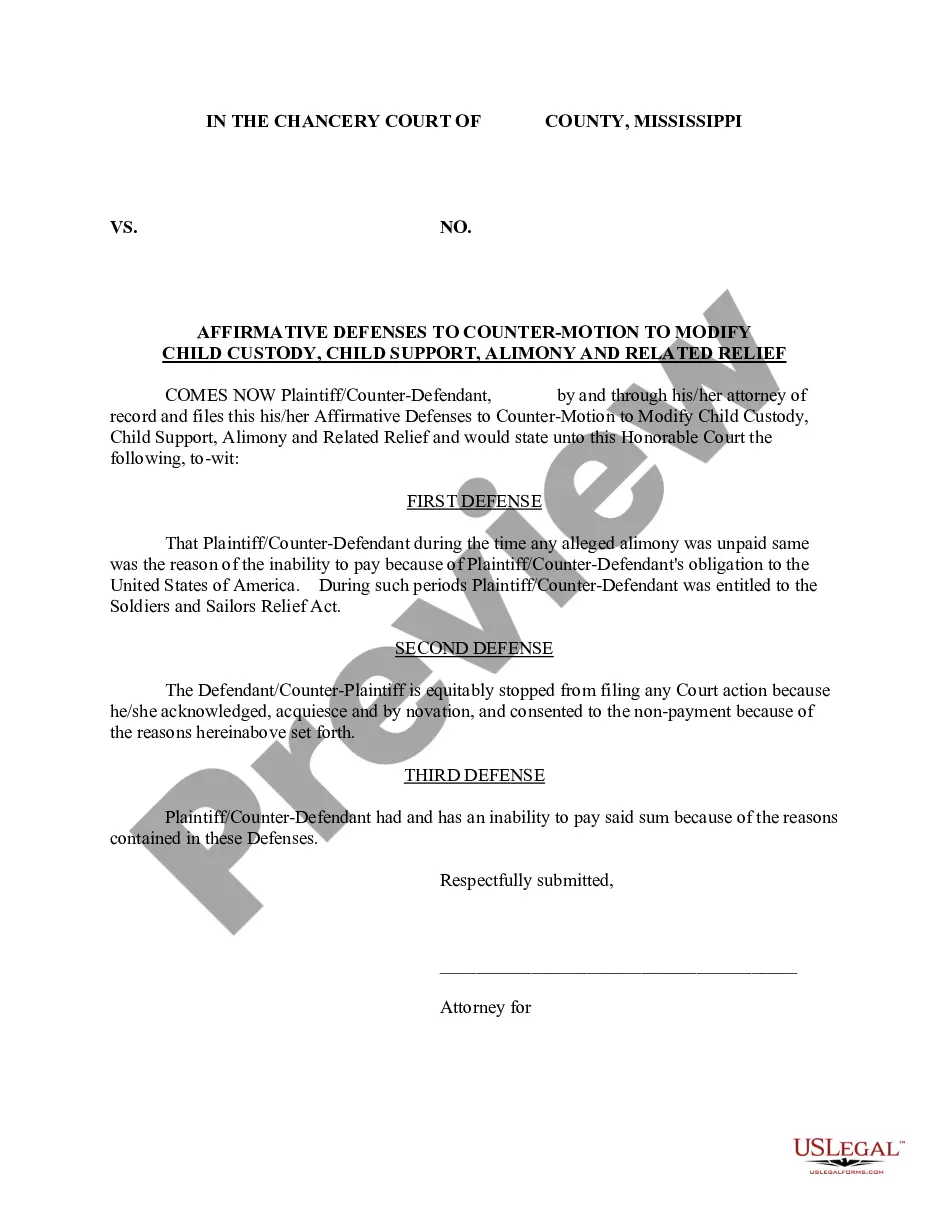
Credit: www.uslegalforms.com
Establishing Paternity In Mississippi
Establishing paternity is a key step for unmarried parents in Mississippi. It legally identifies the child’s father. This recognition gives fathers rights and responsibilities. It also helps protect the child’s interests.
Without paternity established, fathers lack legal standing. They cannot seek custody or visitation. Mothers may face challenges proving the father’s role. The state provides clear ways to confirm paternity.
Voluntary Acknowledgment Of Paternity
Parents can sign a Voluntary Acknowledgment of Paternity form. This form is available at hospitals and state offices. Both parents must agree and sign the document. It creates a legal record of fatherhood.
This process is simple and quick. It avoids court involvement. The form is often signed after childbirth. It is the easiest way to establish paternity.
Paternity Testing
Sometimes, paternity is uncertain or disputed. The court may order DNA testing. This test compares the child’s and man’s genetic material. It provides reliable proof of biological fatherhood.
Testing is accurate and usually done by a lab. The results are used in court decisions. DNA evidence resolves questions about paternity clearly.
Court Establishment Of Paternity
If parents cannot agree, the court decides paternity. A parent or guardian can file a petition. The judge reviews evidence and hears testimonies. The court then issues an order naming the father.
This legal step allows fathers to gain custody rights. It also requires child support payments. The court order is binding on both parents.
Types Of Custody Available
Custody laws in Mississippi offer different types of custody for unmarried parents. Understanding each type helps parents know their rights and responsibilities. Courts focus on the child’s best interest when deciding custody. The types of custody fall into two main categories: physical and legal custody.
Physical Custody
Physical custody means where the child lives most of the time. One parent may have sole physical custody, or both parents may share it. Shared physical custody means the child spends significant time with each parent. The court considers the child’s stability and routine when deciding physical custody.
Legal Custody
Legal custody refers to the right to make important decisions about the child. This includes education, health care, and religion. Parents can share legal custody or one parent can have sole legal custody. Shared legal custody allows both parents to be involved in major decisions.
Sole Custody
Sole custody gives one parent both physical and legal custody. The other parent may have visitation rights but no decision-making power. Courts give sole custody if one parent cannot care for the child properly. This type is less common but used when needed to protect the child.
Joint Custody
Joint custody means parents share physical and/or legal custody. It encourages both parents to stay active in the child’s life. The court supports joint custody if parents cooperate well. It helps the child maintain a strong bond with both parents.

Credit: www.centralmslaw.com
Factors Courts Consider In Custody Cases
Court decisions about custody focus on what is best for the child. Judges study many details. They look beyond just who wants custody. The goal is to keep the child’s needs first. Each case is unique. Courts balance many factors before deciding.
These factors help courts understand each parent’s situation. They ensure the child grows up safe and loved. The court pays special attention to the child’s health and happiness. The following are key points courts review in custody cases.
Child’s Relationship With Each Parent
Courts examine how close the child is to each parent. They consider who has been the main caregiver. Time spent with each parent matters. Judges want to keep strong bonds intact. This helps the child feel secure.
Parent’s Ability To Provide Care
Each parent’s ability to meet the child’s basic needs is crucial. This includes food, shelter, and medical care. Courts also check if parents can support the child emotionally. Stability and routine are important for the child’s well-being.
Child’s Preference
When the child is old enough, courts may ask their opinion. The child’s choice is one part of the decision. Judges listen carefully but do not rely on it alone. The child’s safety and best interest remain top priority.
Parental Cooperation
Courts want parents who can work together. Cooperation helps the child adjust better. Parents who communicate well reduce conflict. This creates a peaceful environment for the child.
History Of Abuse Or Neglect
Any past abuse or neglect affects custody decisions. Courts protect children from harm. Evidence of violence or neglect can limit custody rights. The child’s safety comes before all else.
Steps To File For Custody
Filing for custody in Mississippi requires clear steps. This process ensures the court understands your request and can protect the child’s best interests. Unmarried parents have specific rules to follow. Knowing each step helps avoid delays and confusion.
Filing A Custody Petition
Start by filing a custody petition with the local family court. The petition states your desire to gain custody of your child. It includes details about you, the child, and the other parent. This document officially begins the custody case.
Serving The Other Parent
After filing, serve the other parent with the custody papers. Serving means delivering the legal documents in person or by mail. This step ensures the other parent knows about the case. They have the right to respond and join the process.
Attending Court Hearings
The court schedules hearings to review your custody case. Attend all hearings on time and prepared. You may present evidence and explain your reasons for requesting custody. The judge listens to both parents before making decisions.
Providing Proof Of Parentage
Unmarried parents must prove legal parentage. This proof may include a birth certificate or a signed acknowledgment of paternity. Establishing parentage is key to gaining custody rights. Without it, the court may limit your involvement.
Following Court Orders
Once the judge decides, follow all court orders carefully. These orders define custody terms and parenting schedules. Compliance shows your commitment to the child’s welfare. Ignoring orders can harm your custody chances.
Frequently Asked Questions
What Are The Custody Rights Of Unmarried Parents In Mississippi?
Unmarried parents in Mississippi must establish paternity to gain custody rights. Without paternity, the father has no legal custody rights by default.
How Can Unmarried Fathers Get Custody In Mississippi?
Unmarried fathers must prove paternity through a court order or DNA test. After paternity, they can request custody or visitation rights.
What Factors Does Mississippi Consider In Custody Decisions?
Mississippi courts focus on the child’s best interests, including safety and stability. They also consider each parent’s ability to care for the child.
Can Unmarried Parents Share Custody In Mississippi?
Yes, unmarried parents can share custody if both agree or the court decides so. Joint custody means both parents share legal and physical care.
How Is Child Support Handled For Unmarried Parents In Mississippi?
Child support is based on the non-custodial parent’s income and the child’s needs. The court can order support once paternity is established.
Conclusion
Mississippi custody laws for unmarried parents focus on the child’s best interest. Both parents can seek custody rights, but the court wants stability for the child. Fathers must establish paternity to gain legal rights. Courts look at the child’s safety, health, and emotional needs.
Knowing your rights helps you protect your child better. The process can seem complex, but clear steps exist. Support from family or legal advice can guide you through. Stay informed and involved for your child’s well-being. Every child deserves love and care from both parents.

Ismail Hossain is the founder of Law Advised. He is an Divorce, Separation, marriage lawyer. Follow him.