
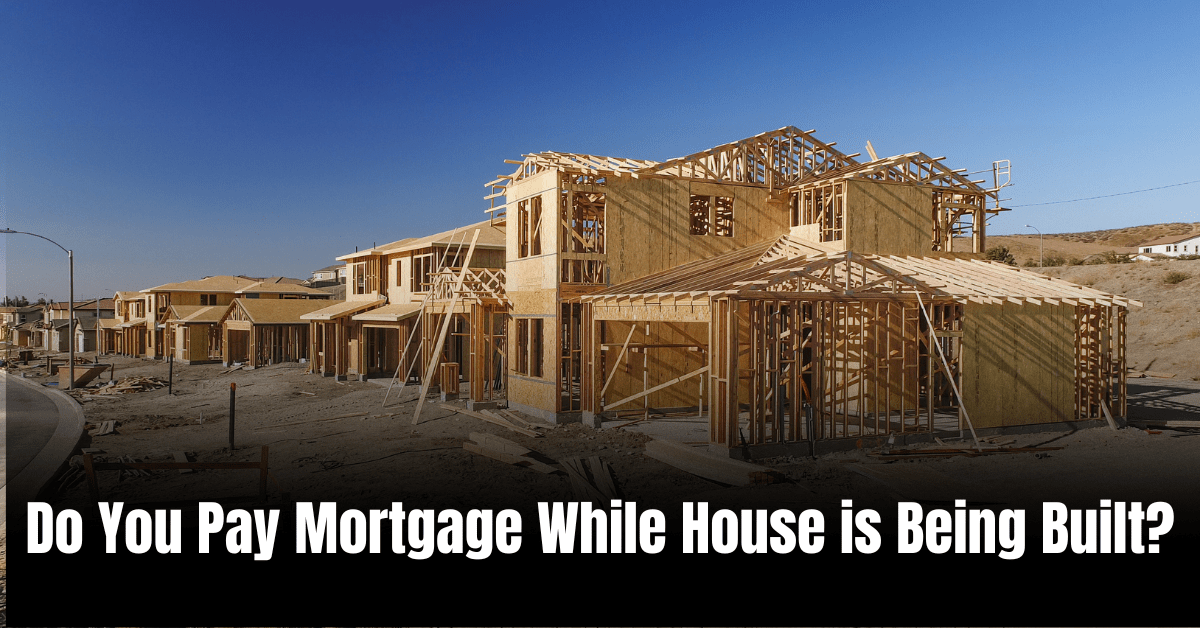
Building a new house can be an exciting and fulfilling experience. However, it often involves a significant financial commitment. One of the common questions that prospective homeowners have is whether they need to start paying their mortgage while the house is being built. In this article, we will explore this question and provide you with the information you need.
The Construction Loan:
When building a house, you will most likely need a construction loan. A construction loan is a specific type of loan that is used to fund the building of a new home. Unlike a traditional mortgage, which is based on the completed value of the home, a construction loan is based on the estimated value of the home once it is finished.
During the construction phase, you will typically only be required to make interest payments on the loan. These payments are usually based on the amount of money that has been disbursed to the builder to cover the cost of construction. The interest payments will vary depending on the size of the loan and the interest rate agreed upon.
Once the construction is complete and you move into your new home, the construction loan will typically be converted into a traditional mortgage. At this point, you will begin making regular principal and interest payments on the loan, just like you would with any other mortgage.
How Interest Payments Work:
During the construction phase, the interest payments on your construction loan can be seen as a form of rent for living in your new home before it is actually finished. These payments are generally lower than what your traditional mortgage payments will be once the home is complete.
It’s important to note that the interest payments on your construction loan are typically not tax-deductible until you have converted the loan into a traditional mortgage. Be sure to consult with a tax professional to understand the specific tax implications in your situation.
Alternatives:
While most people opt for a construction loan when building a new home, there are alternatives available. Some individuals choose to pay for the construction of their home with cash, while others may choose to use a home equity line of credit (HELOC) to fund the project. Each option has its own pros and cons, so it’s essential to evaluate them based on your unique circumstances and financial goals.
Conclusion:
In summary, when you are in the process of building a house, you will usually need a construction loan. During the construction phase, you will need to make interest payments on the loan based on the amount of money that has been disbursed to cover the cost of construction. Once the home is complete, the loan is typically converted into a regular mortgage, and you will start making principal and interest payments. Exploring all your financing options and consulting with professionals in the field is crucial in making the right decision for your new home construction.
Frequently Asked Questions Of Do You Pay Mortgage While House Is Being Built? Find Out How To Manage Your Finances Smartly
Are Mortgage Payments Required During Home Construction?
Yes, you may need to make interest payments during the construction period.
When Do Mortgage Payments Typically Begin?
Mortgage payments typically start after the construction is completed and the home is move-in ready.
Do Lenders Offer Construction Loan Options?
Yes, many lenders offer construction-to-permanent loans that cover both the construction phase and mortgage payments.
Can You Avoid Mortgage Payments During Construction?
Some lenders may offer interest-only payments during the construction phase to ease the financial burden.

Ismail Hossain is the founder of Law Advised. He is an Divorce, Separation, marriage lawyer. Follow him.



Leave a Reply