Labor Laws in Louisiana for Salary Employees: Essential Rights Uncovered
Are you a salaried employee working in Louisiana? Understanding your rights under the state’s labor laws can protect you from unfair treatment and help you know exactly what to expect from your job.
Whether it’s about overtime pay, work hours, or breaks, these rules affect your paycheck and daily work life. Keep reading to learn the key facts you need to know about Louisiana’s labor laws for salary employees—and make sure you’re getting what you deserve.
Salary Employee Classification
Louisiana labor laws define how salary employees are classified and paid. These rules affect overtime eligibility and wage protections. Understanding them helps both workers and employers follow the law correctly.
Exempt Vs Non-exempt Status
In Louisiana, salary employees fall into two main groups: exempt and non-exempt. Exempt employees do not get overtime pay. They earn a fixed salary regardless of hours worked. Non-exempt employees must receive overtime pay for extra hours.
The difference is important. It affects pay, work hours, and employee rights. Employers must classify workers correctly. Misclassification can lead to legal problems and fines.
Criteria For Salary Employees In Louisiana
To be a salary employee, certain rules apply. The salary must meet a minimum level set by law. The employee’s job duties also matter. Tasks must involve executive, administrative, or professional work to qualify as exempt.
Louisiana follows federal rules under the Fair Labor Standards Act. Jobs like managers, professionals, and some sales roles often qualify as exempt. Other jobs usually fall under non-exempt status and get hourly pay with overtime.
Employers must review job roles carefully. Salary alone does not determine classification. Duties and responsibilities are key to correct status.

Credit: www.ers.usda.gov
Wage And Hour Regulations
Wage and hour regulations in Louisiana set clear rules for salary employees. These laws control how much workers get paid and how many hours they can work. Employers must follow these rules to protect workers’ rights. Understanding these regulations helps both workers and employers avoid problems.
Salary employees in Louisiana have specific wage and hour rules. These rules explain when overtime pay is required and the minimum salary needed to qualify as exempt. Knowing these details is important for fair pay and legal compliance.
Overtime Pay Rules
In Louisiana, most salary employees do not get overtime pay. This applies if they meet certain job duties and salary tests. Overtime pay means extra money for working more than 40 hours per week. If a salary employee does not meet the exemption rules, they must get overtime pay. Employers must track hours carefully to avoid violations.
Minimum Salary Requirements
The law sets a minimum salary level for exempt employees. In Louisiana, this salary must be at least $684 per week. If a salary employee earns less, they may be eligible for overtime pay. Meeting the minimum salary is crucial to qualify as exempt. Employers must pay attention to these numbers to follow the law.
Leave And Time Off
Leave and time off are important parts of work life. They help salary employees in Louisiana balance work and personal needs. Employers set rules about leave, but laws also protect workers. Knowing your rights can help you plan your time away from work.
This section explains key leave policies and legal protections for salary workers in Louisiana.
Vacation And Sick Leave Policies
Louisiana does not require employers to offer vacation leave. Employers decide if they give paid or unpaid vacation. Many companies provide vacation as a benefit to attract workers. Sick leave rules also vary by employer. Some offer paid sick days, while others do not.
Check your company’s policy carefully. Understand how much leave you can take and how to request it. Some employers may allow you to carry unused leave to the next year. Others may have a “use it or lose it” rule.
Family And Medical Leave Act Impact
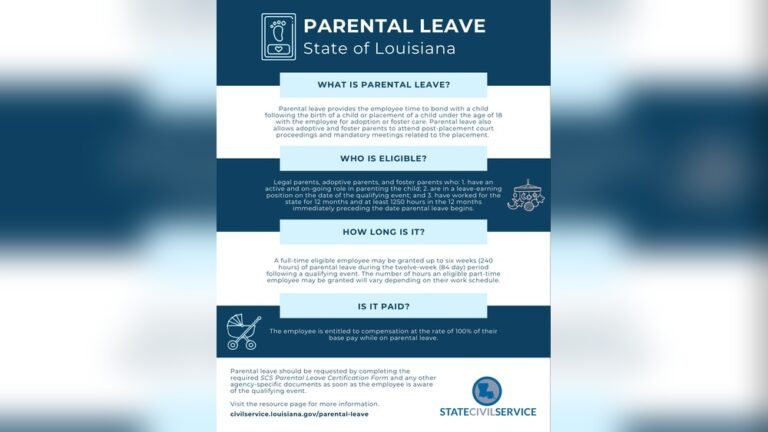
The Family and Medical Leave Act (FMLA) protects eligible employees. It lets them take up to 12 weeks off for serious health issues. The law covers the employee’s own illness or a family member’s. It also applies to childbirth and adoption.
Louisiana employers with 50 or more workers must follow FMLA rules. Workers must have worked 1,250 hours in the past year to qualify. FMLA leave is unpaid but keeps your job safe. Employers must allow you to return to the same or similar position.

Credit: www.laborlawcenter.com
Workplace Rights And Protections
Workplace rights and protections are vital for salary employees in Louisiana. These laws create a safer and fairer work environment. Employees gain clear rules about their treatment at work. Employers must follow these laws to avoid legal problems.
Louisiana has specific laws that protect workers from unfair treatment. These laws cover many areas, including discrimination and retaliation. Understanding these rights helps employees know what is allowed and what is not. It also guides employers on proper conduct.
Anti-discrimination Laws
Louisiana law forbids discrimination based on race, gender, age, or religion. Employers cannot treat workers unfairly due to these traits. Salary employees have the right to equal pay and equal opportunity. Discrimination in hiring, firing, or promotion is illegal. Employees can report discrimination to state or federal agencies. These laws ensure fairness and respect in the workplace.
Retaliation Protections
Employees who report violations get protection against retaliation. Employers cannot punish workers for filing complaints or helping investigations. Retaliation includes firing, demotion, or unfair scheduling. These protections encourage employees to speak up. The law supports a safe space for workers to assert their rights.
Dispute Resolution And Enforcement
Disputes over salary and working conditions can arise in any workplace. Louisiana has clear rules for resolving these conflicts. These rules help protect employees’ rights and ensure employers follow the law.
Understanding how to handle disputes and enforce labor laws is key for salary employees. This section explains the steps to take if problems occur. It also outlines the legal options available.
Filing Complaints
Employees who face wage or labor issues can file complaints with state agencies. The Louisiana Workforce Commission handles many of these cases. Complaints must be detailed and include all relevant facts. This helps the agency investigate quickly and fairly.
There are deadlines to file complaints, so acting fast is important. Employers get a chance to respond and fix problems. The process aims to solve disputes without court action when possible.
Legal Remedies For Violations
If complaints do not resolve the issue, employees may seek legal remedies. Courts can order employers to pay back wages or damages. They can also require changes in workplace practices.
Legal action can be costly and take time. Still, it ensures employees get proper treatment under the law. Laws protect workers from retaliation after filing complaints. Knowing these protections helps employees stand up for their rights.

Credit: www.laborlawcenter.com
Frequently Asked Questions
What Are The Salary Thresholds For Exempt Employees In Louisiana?
Louisiana follows the federal salary threshold for exempt employees, currently $684 per week. Employees earning less than this must receive overtime pay. This rule applies to most salaried workers.
How Does Louisiana Define Overtime For Salaried Employees?
Overtime is paid for hours worked over 40 in a week. Salaried employees who are non-exempt get time and a half for overtime. Exempt employees do not receive overtime pay.
Can Louisiana Employers Deduct Pay From Salaried Employees?
Deductions are allowed only for full-day absences or specific violations. Employers cannot reduce salary for partial day absences. This protects the guaranteed salary of exempt employees.
Are There Special Labor Laws For Public Sector Salaried Workers?
Yes, public sector employees may have different rules under state laws or unions. These can affect overtime, leave, and pay practices. Check local government policies for details.
What Rights Do Salaried Employees Have Under Louisiana Labor Laws?
Salaried employees have rights to minimum wage, overtime (if non-exempt), and safe work conditions. They must receive agreed salary without unfair deductions. Employers must follow both state and federal labor laws.
Conclusion
Understanding Louisiana’s labor laws helps salary employees protect their rights. These laws set clear rules for pay, hours, and work conditions. Knowing your rights can prevent problems with employers. Stay informed and ask questions when unsure. Fair treatment at work matters.
Keep this guide as a resource. Your job matters. Your rights matter.

Ismail Hossain is the founder of Law Advised. He is an Divorce, Separation, marriage lawyer. Follow him.