New Child Support Laws in Iowa: What Every Parent Must Know
If you’re a parent in Iowa, the new child support laws could affect your finances and your family’s future. Understanding these changes is important because they impact how support is calculated and enforced.
Whether you’re already paying child support or might need to in the future, this information matters to you. Keep reading to find out what’s new, how it affects your rights and responsibilities, and what steps you can take to protect your family’s well-being.
Don’t let confusion or surprises catch you off guard—stay informed and prepared.

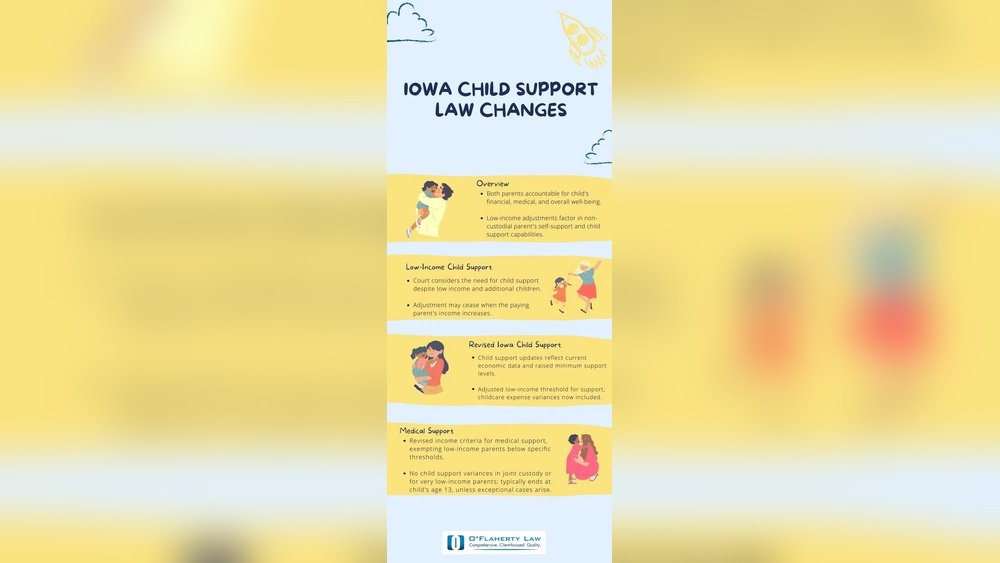
Credit: www.oflaherty-law.com
Recent Changes In Iowa Child Support Laws
Iowa has made important updates to its child support laws. These changes affect how support is calculated and enforced. Understanding these updates is key for parents and legal professionals.
The new rules aim to be clearer and fairer for both parents and children. They reflect current economic conditions and family situations. This section covers the main points of these changes.
Key Amendments And Updates
The child support guidelines now include revised income calculations. Both parents’ incomes are considered more accurately. New formulas help set fairer support amounts.
The law also clarifies medical expense responsibilities. Parents share health costs based on their income share. This change helps reduce disputes over medical bills.
There are updates on how support orders can be modified. Changes in income or child needs can trigger reviews. This allows support to adjust to real-life changes quickly.
Effective Dates And Transition Periods
The new child support laws took effect on July 1, 2024. Cases filed after this date follow the updated rules. Existing orders can be reviewed under the new guidelines.
A transition period allows courts to adjust ongoing cases. Families have time to understand and comply with changes. This helps avoid confusion and sudden enforcement actions.
Parents should consult legal advice to navigate the new timelines. Proper understanding ensures smoother compliance with the law.
Calculating Child Support Under New Rules
Calculating child support under Iowa’s new rules involves clear and fair steps. These rules aim to make child support amounts more balanced. Both parents’ roles and financial situations are carefully considered. The process is more straightforward than before. Understanding the details helps parents prepare and comply with the law.
Income Considerations
The new rules look at both parents’ incomes. This includes wages, bonuses, and other earnings. Self-employment income is also counted. The goal is to get a full picture of financial ability. This helps set a fair support amount. Income from new partners or household members is not included. Only the parents’ money is used to calculate support.
Shared Custody Adjustments
Shared custody affects child support payments. The new rules adjust amounts based on time spent with each parent. More days with a parent means less support paid by that parent. The law uses a clear formula to decide this. This makes support payments fairer for both parents. It encourages cooperation and shared parenting responsibilities.
Health Care And Educational Expenses
Parents must share health care costs for their children. This includes insurance premiums and out-of-pocket expenses. Educational costs are part of the support too. Private school fees or special tutoring can be included. The new rules split these expenses based on income shares. This ensures children’s needs are met without burdening one parent.
Impact On Parents’ Financial Responsibilities
The new child support laws in Iowa change how parents share financial duties. These updates affect both custodial and non-custodial parents. The goal is to ensure fair support for children’s needs. Parents must understand their new responsibilities clearly.
The laws aim to balance expenses like healthcare, education, and daily care. Parents’ incomes and living situations now weigh more in support calculations. This creates a system that better matches each family’s reality. It also helps avoid unfair demands or payments.
Obligations For Non-custodial Parents
Non-custodial parents have clear duties under the new rules. They must provide regular child support payments based on updated income guidelines. Payments now often cover more than basic expenses. Health insurance and childcare costs may be included.
The law requires timely payments. Late payments can lead to penalties or legal action. Non-custodial parents also need to report changes in income quickly. This helps keep support amounts fair and accurate.
Support Modifications And Reviews
Child support orders now undergo regular reviews. Courts check if payments still fit the parents’ financial situations. Parents can request changes if their income or expenses change. The new law makes this process smoother and faster.
Reviews help adjust support to meet children’s actual needs. They prevent unfair burdens on either parent. The system encourages open communication and fairness. Parents should stay informed about review schedules and requirements.
Credit: www.legis.iowa.gov
Enforcement And Compliance Changes
The new child support laws in Iowa bring important changes to enforcement and compliance. These updates aim to improve how the state handles unpaid child support. The goal is to ensure that children receive the support they need without delays.
Enforcement measures now include stricter penalties for those who do not pay on time. The state also enhances its ability to work with other states. This helps track and collect support payments across state lines more effectively.
Penalties For Non-payment
Iowa has increased penalties for parents who fail to pay child support. Late payments may lead to fines and wage garnishment. Courts can also suspend driver’s licenses or professional licenses. These actions encourage timely payments and reduce missed support.
Failing to pay can also result in jail time in extreme cases. The new rules make the consequences clear and firm. Parents are more likely to comply when they know penalties are strict.
Interstate Child Support Enforcement
The state has improved cooperation with other states for child support cases. This helps collect payments from parents living outside Iowa. Iowa uses federal tools to locate parents and enforce orders.
Interstate enforcement reduces delays and missed payments. Parents cannot avoid their duties by moving to another state. The system works faster to protect children’s financial needs.
Legal Resources And Support For Parents
Understanding new child support laws can be hard for many parents. Legal help and support are important to make the process easier. There are clear resources in Iowa to guide parents through child support issues. These resources help parents understand their rights and responsibilities.
Parents can find support whether they are starting child support or adjusting existing orders. Knowing where to get help and how to file for changes saves time and stress. This section highlights key legal resources and steps for parents in Iowa.
Where To Get Help
Iowa has many places to get help with child support. The Iowa Child Support Recovery Unit (CSRU) is a main resource. They offer guidance on child support rules and enforcement.
Legal aid organizations provide free or low-cost advice. Local family law attorneys can offer personalized help. Many courts have family law facilitators to assist parents without lawyers.
Online tools and state websites give access to forms and information. Community centers and support groups may also provide help and advice.
Filing For Support Adjustments
Parents can ask for changes in child support if financial situations change. This includes job loss, income change, or new expenses for the child. Filing for adjustments requires specific forms and proof of change.
Parents must file a petition with the court to start the process. The court reviews the request and decides if a change is fair. It is important to follow court rules and deadlines carefully.
Legal support can help parents complete paperwork correctly. They also guide parents on court hearings and what to expect. Staying informed and prepared makes the process smoother for everyone.

Credit: www.familylawsolutionsofiowa.com
Frequently Asked Questions
What Are The Key Changes In Iowa’s New Child Support Laws?
Iowa’s new child support laws update income calculations and medical expense rules. They aim to ensure fair support amounts based on current financial realities.
How Do The New Laws Affect Child Support Payments?
The laws may adjust payment amounts by considering both parents’ incomes more accurately. They also clarify how expenses like healthcare are shared.
Who Must Comply With Iowa’s Updated Child Support Regulations?
All parents with existing or new child support orders in Iowa must follow the new laws. Courts will enforce these changes in relevant cases.
When Did Iowa’s New Child Support Laws Take Effect?
The updated child support laws in Iowa became effective in 2024. It’s important to review any orders made after this date.
Conclusion
Understanding Iowa’s new child support laws helps parents plan better. These changes affect payment amounts and timelines. Knowing your rights and duties avoids legal problems. Stay informed to protect your child’s future. Seek advice from a family law expert if needed.
Keeping up with the law makes parenting smoother. Remember, the goal is fair support for the child. Simple steps today can prevent issues tomorrow. Don’t wait; learn how these laws impact you.

Ismail Hossain is the founder of Law Advised. He is an Divorce, Separation, marriage lawyer. Follow him.