
Vehicle Repossession Laws in Iowa: What Every Driver Must Know
If you’re facing trouble keeping up with your car payments in Iowa, understanding vehicle repossession laws is crucial. Knowing your rights can protect you from unexpected surprises and costly mistakes.
This guide will walk you through what Iowa law says about repossessing your vehicle, what your lender can and cannot do, and how you can respond if your car is at risk. Keep reading to take control of your situation and avoid common pitfalls that many car owners don’t see coming.
Credit: www.servicememberscivilreliefact.com
Iowa Repossession Basics
Iowa repossession laws protect both lenders and borrowers during vehicle repossession. Understanding these basics helps you know your rights and duties.
Repossession happens when a borrower fails to meet loan terms. Lenders follow strict rules to reclaim the vehicle fairly. Borrowers should also know their responsibilities.
What Triggers Repossession
Missed payments often start repossession. Usually, lenders allow one or two late payments. Several missed payments lead to action.
Breaking other loan terms can also trigger repossession. This includes not maintaining insurance or using the car illegally. Lenders watch for these violations closely.
Legal Rights Of Lenders
Lenders can repossess vehicles without warning in Iowa. They must not break the peace during repossession. This means no force or threats allowed.
After repossession, lenders must notify borrowers quickly. They must follow state rules for selling the vehicle. Proceeds from the sale go toward the loan balance.
Borrower Responsibilities
Borrowers must make timely payments. Keeping the vehicle insured is crucial. They should also communicate with lenders if problems arise.
After repossession, borrowers can redeem the vehicle by paying the debt. They should review notices and act fast to protect their rights.
Repossession Process In Iowa
Understanding the repossession process in Iowa helps you know your rights. Car lenders can take back a vehicle if payments stop. But they must follow certain rules and laws. These laws protect both the lender and the borrower.
This section explains how repossession happens, what notices you get, and the rules for self-help repossession.
How Repossession Happens
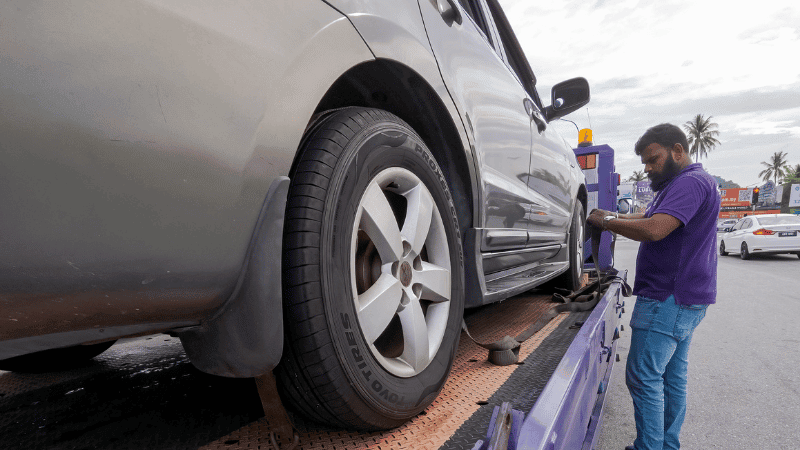
When a borrower misses loan payments, the lender may start repossession. Usually, the lender hires a repossession agent. This agent finds and takes the vehicle. The lender does not need a court order first. The vehicle can be taken from public places. But it cannot be taken from private property without permission.
Notice Requirements
Iowa law requires lenders to send a notice after repossession. This notice tells the borrower where to find the vehicle. It also explains how to get the car back. The lender must send this notice within ten days of repossession. The notice must include the amount needed to redeem the vehicle. This allows the borrower to pay and recover the car before sale.
Self-help Repossession Rules
Self-help repossession means taking the vehicle without court help. Iowa law allows this but with limits. The repossession cannot cause damage or breach peace. For example, no breaking into locked garages. No threats or violence are allowed. The process must be peaceful and legal at all times.
After Repossession Steps
After a vehicle is repossessed in Iowa, several important steps follow. Understanding these steps helps you know your rights and options. Knowing what happens next can reduce stress and guide your decisions.
Redemption Periods
Iowa law allows a redemption period after repossession. This means you can pay off the full amount owed to get your vehicle back. The period usually lasts until the vehicle is sold at auction. Paying the full amount includes missed payments, fees, and repossession costs. Acting quickly is important to use this right.
Deficiency Balances
If the vehicle sells for less than what you owe, a deficiency balance remains. You are responsible for paying this difference. The lender can take legal action to collect the balance. Knowing this helps you prepare for possible extra costs after repossession.
Selling The Repossessed Vehicle
The lender must sell the repossessed vehicle in a reasonable time. The sale can be at a public auction or private sale. The money from the sale goes toward your debt. Any extra money after paying the debt must be returned to you. The lender must provide a detailed statement of the sale and payments.

Credit: www.kieferkia.com
Protecting Your Rights
Understanding your rights during vehicle repossession in Iowa is crucial. The law protects you from unfair or illegal actions by lenders. Knowing these rights can help you act quickly and confidently. Protecting your rights also means knowing how to respond and what steps to take next.
Disputing Illegal Repossession
You can challenge a repossession that breaks the law. The lender must follow strict rules before taking your vehicle. If they do not, you may have grounds to dispute the repossession. Document everything. Keep records of payments, contracts, and any communication. This evidence supports your claim.
Seeking Legal Help
Legal advice can clarify your options. Lawyers understand Iowa’s repossession laws well. They can negotiate with lenders or represent you in court. Free or low-cost legal services may be available. Do not wait to get help. Early action improves your chances of a good outcome.
Preventing Repossession
Communicate with your lender if you face payment trouble. Some lenders offer payment plans or temporary relief. Prioritize your car payments to avoid losing your vehicle. Consider budgeting to keep payments on time. Taking action early can stop repossession before it starts.
Iowa Vs. Other States
Vehicle repossession laws differ across the United States. Each state has rules that protect both lenders and borrowers. Iowa has its own set of laws that shape how repossessions happen within its borders. Comparing Iowa’s rules with other states helps understand what makes it unique and what stays common nationwide.
Unique Iowa Laws
Iowa requires lenders to provide a written notice before repossession. This notice must go to the borrower’s last known address. The notice gives the borrower time to catch up on missed payments. Iowa does not allow “breach of peace” during repossession. This means repossessors cannot use force or threats. Repossessors must take the vehicle without causing disturbances. Iowa also requires lenders to sell the repossessed vehicle within a reasonable time. The sale must be done in a way that gets a fair price. Proceeds from the sale go toward paying off the loan balance.
Common National Practices
Many states follow similar rules to protect borrowers. Written notice before repossession is common. Most states also forbid breach of peace during repossession. Lenders often must sell the vehicle quickly and at a fair price. Borrowers usually have the right to redeem their vehicle by paying off the loan. Deficiency balances, the money left after selling the vehicle, are often collected through legal means. These shared practices help balance lender rights and borrower protections.

Credit: johnsonlawfirmia.com
Frequently Asked Questions
What Are The Legal Grounds For Vehicle Repossession In Iowa?
In Iowa, lenders can repossess a vehicle if the borrower defaults on loan payments. Default usually means missing payments or violating loan terms. The lender must follow state laws and cannot breach the peace during repossession.
How Much Notice Is Required Before Repossession In Iowa?
Iowa law does not require lenders to provide advance notice before repossessing a vehicle. However, the repossession must not involve force or illegal actions. Borrowers should stay in communication with lenders to avoid repossession.
Can A Vehicle Be Repossessed Without A Court Order In Iowa?
Yes, Iowa allows lenders to repossess vehicles without a court order if the borrower defaults. The repossession must be peaceful and lawful. If a dispute arises, borrowers can challenge the repossession through legal channels.
What Happens To The Vehicle After Repossession In Iowa?
After repossession, the lender usually sells the vehicle at auction. Proceeds cover the loan balance and repossession costs. Borrowers may owe a deficiency balance if sale proceeds are insufficient.
Conclusion
Understanding vehicle repossession laws in Iowa helps protect your rights. Knowing the lender’s rules and your duties can avoid surprises. Act quickly if you face repossession to explore your options. Stay informed about deadlines and legal steps to keep control.
Keep communication open with your lender to find solutions. Being prepared makes a hard situation easier to handle. Remember, knowledge is your best tool during repossession challenges.

Ismail Hossain is the founder of Law Advised. He is an Divorce, Separation, marriage lawyer. Follow him.