Adverse Possession Laws in Florida: What You Need to Know
Have you ever wondered what happens if someone lives on a piece of land they don’t own for years? In Florida, the law of adverse possession might surprise you.
It allows a person to claim ownership of property if they meet certain conditions over time. But what exactly do you need to know about these laws? How long must someone occupy the land? What rules do they have to follow?
If you’re a property owner, a renter, or just curious, understanding adverse possession laws in Florida is crucial. This article will break down the key points clearly and simply, so you know exactly how these laws work and how they might affect your property rights. Keep reading to find out what you need to watch for and how to protect your land.
Credit: www.zoeckleinlawpa.com
Key Elements Of Adverse Possession
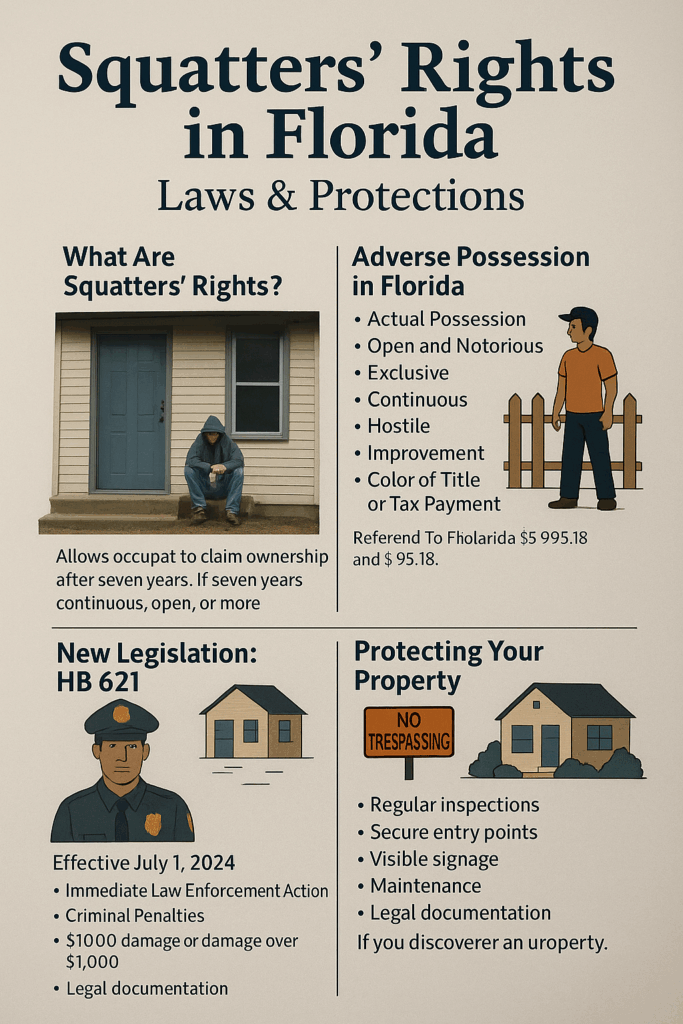
Adverse possession allows a person to claim ownership of land under certain conditions. Florida law requires specific elements to be met for a successful claim. Understanding these key elements helps clarify the legal process. Each element must be proven clearly for the claim to hold in court.
Actual And Exclusive Possession
The claimant must physically use the land. This means living on, farming, or making improvements. The use cannot be shared with others, especially the true owner. Exclusive possession shows control and ownership intent.
Open And Notorious Use
The use of the land must be visible and obvious. It cannot be hidden or secretive. The true owner should be able to notice the occupation. This openness shows the claimant is acting as the owner.
Hostile Claim Without Permission
The claimant must occupy the land without the owner’s consent. Permission from the owner negates adverse possession. Hostile means the occupation is against the owner’s rights. It shows the claimant claims ownership.
Continuous Occupation Period
The claimant must occupy the land continuously for seven years in Florida. Any break resets the clock. The occupation must be uninterrupted and consistent. This long period proves the claimant’s serious intent.
Seven-year Occupation Rule
The Seven-Year Occupation Rule is a key part of adverse possession laws in Florida. It allows a person to claim ownership of land after living on it continuously for seven years. This rule requires specific conditions to be met for the claim to succeed. Understanding these conditions is essential for anyone dealing with property disputes in Florida.
Legal Requirements In Florida
Florida law demands the occupation be actual and exclusive. The person must physically live on the land and keep others out. The occupation must be open and notorious, meaning it should be visible to the public and the original owner. The possession must be hostile, without the owner’s permission. Finally, the occupation must be continuous for seven straight years, with no breaks.
Impact Of Interruptions
Any interruption in the occupation resets the seven-year period. Temporary absence or permission from the owner can break the chain. Interruptions include the owner reclaiming control or the occupant leaving the property. Consistency is critical. Even short gaps can void the claim.
Documentation And Proof
Proof of occupation is vital in court. Photos, utility bills, and witness statements can help. Records showing continuous use strengthen the case. Legal documents must show the occupant met all legal requirements. Clear and organized evidence improves chances of a successful claim.
Filing And Legal Procedures
Filing and legal procedures play a critical role in claiming property through adverse possession in Florida. The process requires strict adherence to state laws and involves several important steps. Each step ensures that the claim is valid and recognized by the legal system.
Understanding these procedures helps claimants prepare and avoid common mistakes. The process begins with accurate documentation and ends with court approval. Every phase must follow specific rules to confirm rightful ownership.
Property Appraiser Return
The property appraiser return is a key step in the adverse possession process. It involves notifying the county property appraiser about the possession claim. This notice helps update property records and reflects the claimant’s use of the land.
The appraiser’s office reviews the information and may visit the property. Their report supports the claim by verifying continuous use. This step helps create an official record of possession.
Necessary Legal Documentation
Proper legal documents must be prepared and filed to support the claim. These include affidavits, deeds, and proof of possession for seven years. Each document must clearly show the claimant’s control over the property.
Filing these documents with the county clerk is essential. The paperwork provides evidence to courts and property offices. Without correct documentation, a claim can be denied or delayed.
Role Of Court Proceedings
Court proceedings finalize the adverse possession claim in Florida. The claimant files a lawsuit to quiet title and prove ownership. The court reviews all evidence and hears from both parties.
Judges ensure the claim meets all legal requirements. A successful ruling grants the claimant legal title to the property. Court approval protects the claimant’s rights and confirms ownership under the law.
Credit: graystoneig.com
Common Challenges And Disputes
Adverse possession cases in Florida often lead to disputes and complex challenges. These issues arise from misunderstandings, unclear property lines, or unauthorized occupation. Property owners and claimants may face legal battles that require careful navigation. Understanding common challenges helps prepare for these situations.
Owner’s Response To Claims
Property owners must act quickly when they learn of adverse possession claims. Ignoring a claim can result in losing legal rights to the property. Owners should gather evidence proving their ownership. They can file a lawsuit to remove the claimant. Timely legal action is crucial to protect property rights.
Resolving Boundary Issues
Boundary disputes often trigger adverse possession claims. Confusing or old property lines cause disagreements. Surveyors can help clarify boundaries with accurate maps. Neighbors may negotiate to settle disputes outside court. Courts decide boundary issues when parties cannot agree.
Dealing With Squatters
Squatters occupy land without permission, causing tension. Property owners must understand their rights under Florida law. They can request the squatters to leave peacefully. Legal eviction processes protect owners and ensure proper removal. Early action prevents long-term possession claims by squatters.
Practical Tips For Claimants
Claiming property through adverse possession in Florida requires careful preparation. Claimants must follow specific steps to meet legal standards. Practical tips help avoid mistakes and strengthen the claim. This section offers useful advice for those pursuing adverse possession rights.
Maintaining Clear Evidence
Keeping detailed records is crucial for adverse possession claims. Take photos showing your use of the property over time. Save documents like bills, receipts, or correspondence related to the land. Written statements from neighbors or witnesses can support your claim. Clear evidence proves your continuous and open use of the property. Organize all materials in a safe place for easy access.
Consulting Legal Experts
Talk to a lawyer who knows Florida property law. An expert can explain your rights and requirements clearly. They help prepare necessary paperwork and ensure you follow the right process. Legal advice reduces the risk of errors that could harm your claim. Early consultation can save time and prevent costly problems later. Choose a lawyer experienced in adverse possession cases for best results.
Avoiding Legal Pitfalls
Understand Florida’s seven-year rule for adverse possession. The occupation must be continuous, open, and hostile to the owner’s rights. Avoid any actions that suggest permission from the true owner. Do not hide your use of the land or leave it unused for long. Make sure your possession is exclusive, not shared with others. Avoid skipping steps or ignoring legal deadlines. Mistakes can cause your claim to fail.

Credit: www.tenantcloud.com
Frequently Asked Questions
What Are The 5 Requirements For Adverse Possession In Florida?
The five requirements for adverse possession in Florida are actual possession, exclusive use, open and notorious occupancy, hostile claim without permission, and continuous occupation for seven years.
Do You Have To Show Cops Your Id In Florida?
In Florida, you must show your ID to police during a lawful stop if requested. Refusing may lead to arrest.
What Five Elements Must Be Present For Adverse Possession?
The five elements for adverse possession are actual and exclusive possession, open and notorious use, hostile claim without permission, continuous occupation for the required period, and a claim of right or color of title.
What Is The 408 Rule In Florida?
The 408 rule in Florida requires adverse possessors to file a uniform return with the property appraiser. This notifies the state of their claim.
What Is Adverse Possession Under Florida Law?
Adverse possession lets a person claim land by living on it openly for seven years. The possession must be continuous, visible, and without the owner’s permission. This law helps resolve land disputes when owners neglect their property.
Conclusion
Adverse possession laws in Florida protect those who openly and continuously use land. Claimants must meet strict rules for seven years without permission. This law balances property rights and land use. Understanding these laws helps avoid legal problems. Always verify facts before making any claims.
Knowing your rights keeps you informed and prepared.

Ismail Hossain is the founder of Law Advised. He is an Divorce, Separation, marriage lawyer. Follow him.