Car Window Tinting Laws in Florida: What You Need to Know Today
Thinking about tinting your car windows in Florida? Before you get those sleek, dark shades applied, it’s crucial to know the state’s specific laws on window tinting.
You don’t want to risk fines, get pulled over, or have to remove your tint later because it doesn’t meet legal standards. Understanding Florida’s window tinting rules will keep your ride stylish, safe, and fully compliant with the law. You’ll discover exactly what’s allowed, what’s not, and how to make sure your tint stays within the legal limits—so keep reading to protect yourself and your vehicle on the road.
Credit: kepler-dealer.com
Tint Darkness Limits
Understanding tint darkness limits is key for legal car window tinting in Florida. These limits control how dark your window film can be. They help ensure safety and visibility for drivers and law enforcement.
Florida uses Visible Light Transmission (VLT) percentages to measure tint darkness. VLT shows the amount of light allowed through the window. A lower VLT means darker tint and less light passing through.
Tint Darkness Limits For Front Side Windows
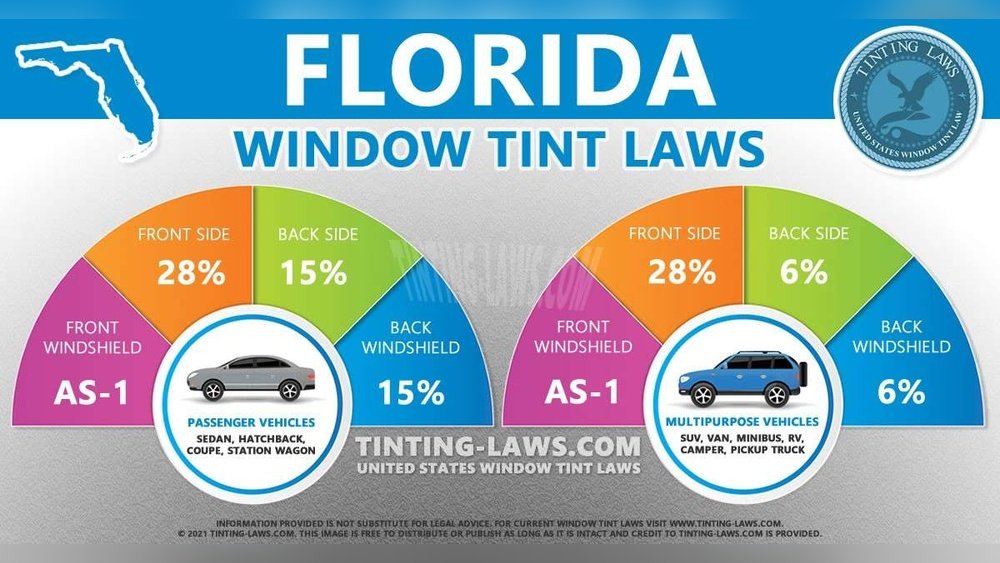
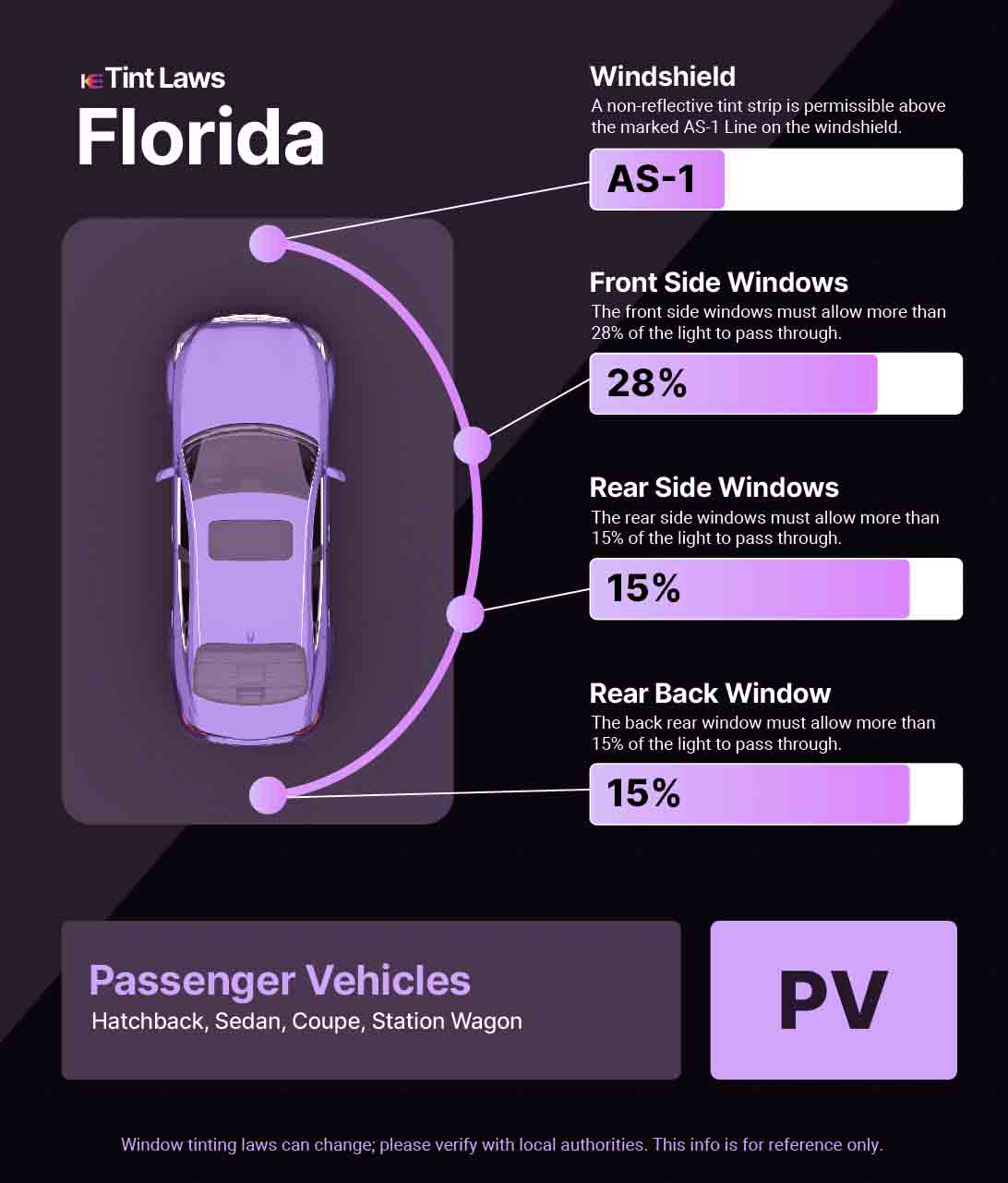
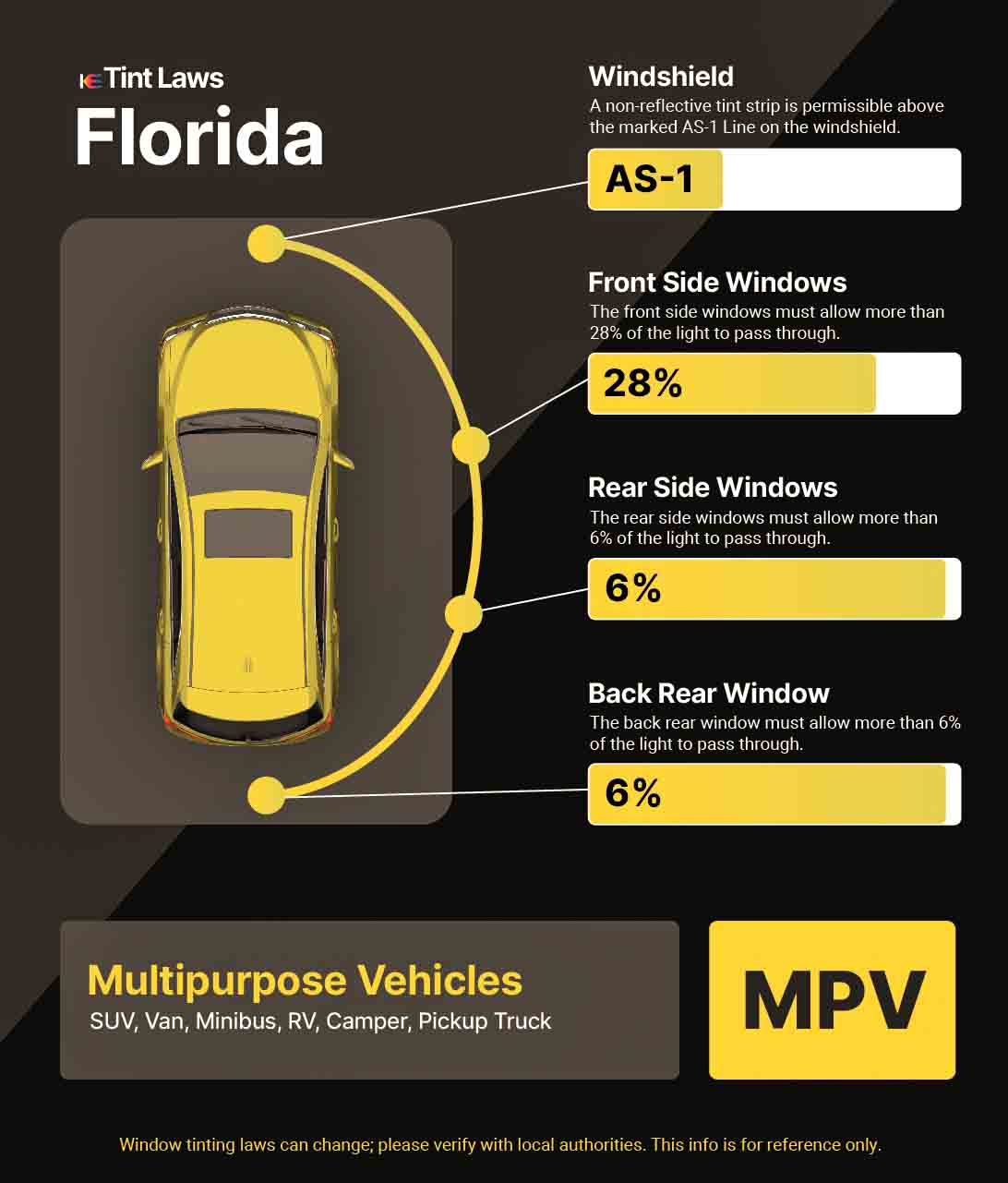
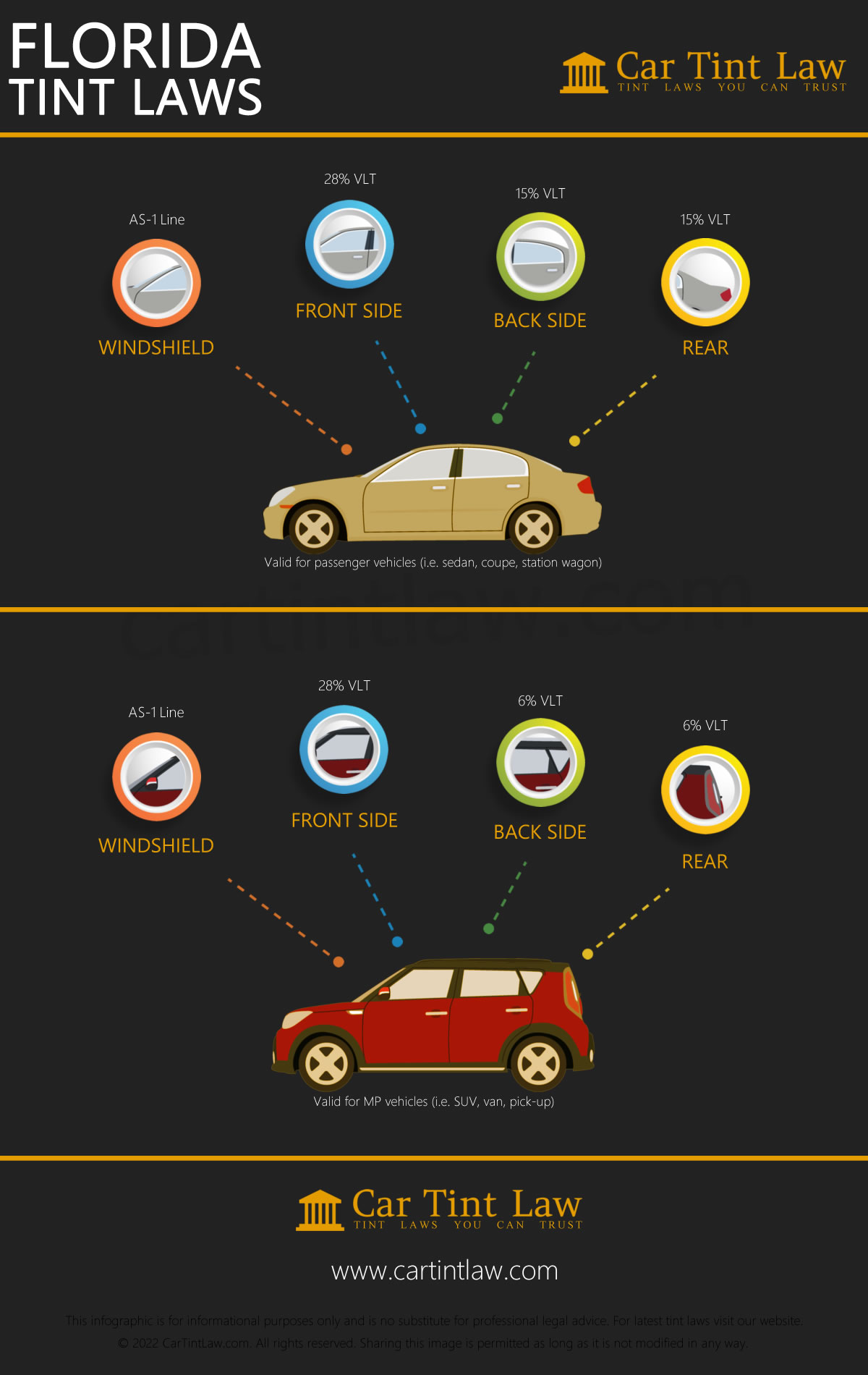
Front side windows must allow more light. The law requires at least 28% VLT. This means the tint can block up to 72% of light. Darker tints on these windows are not allowed.
Tint Darkness Limits For Back Side Windows
Back side windows have fewer restrictions. They can have any darkness level. This allows for very dark tints or even limo tint. No minimum VLT percentage is set for these windows.
Tint Darkness Limits For Rear Windows
Rear windows can also have any darkness level. Like back side windows, there is no minimum VLT. You can choose any tint darkness for rear windows.
Special Rules For Multi-purpose Vehicles
Multi-purpose vehicles like SUVs follow the same rules. Front side windows must have at least 28% VLT. Back side and rear windows have no VLT limit. This applies to all passenger vehicles in Florida.
Reflection And Color Rules
Florida has specific rules about the reflection and color of car window tints. These rules help keep drivers safe and ensure law enforcement can see inside vehicles when needed. Understanding these rules prevents fines and legal trouble.
Reflection Limits On Window Tint
Florida law limits how much a tint can reflect light. The tint must not create a mirror-like effect on car windows. This means the tint cannot reflect more than 25% of light. High reflection can distract other drivers and reduce visibility for police officers.
Allowed Colors For Window Tint
Only certain colors are allowed for tinting car windows in Florida. The tint must be black, gray, or bronze. Bright colors like red, blue, or green are illegal. The law bans colored tints that could confuse or distract drivers and law enforcement.
Prohibited Mirror Or Metallic Finishes
Window tints with a mirror or metallic finish are not allowed. These finishes reflect too much light and can blind other drivers. The law requires tints to be non-reflective and safe for all road users. This rule supports clear vision through the windows.
Side Mirror Requirements
Florida law requires dual side mirrors if the rear window is tinted on a vehicle. This rule helps maintain proper visibility and safety on the road. Compliance with mirror requirements avoids fines and legal issues while driving.
Florida law requires vehicles to have dual side mirrors if the rear window is tinted. This rule helps drivers maintain clear visibility on both sides of the car. It is important to follow this rule to avoid fines and ensure safety on the road.
Without dual side mirrors, tinted rear windows can create blind spots. These blind spots make it hard to see other vehicles or pedestrians behind the car. Dual mirrors help eliminate these risks by providing wider views.
Most cars come with two side mirrors as standard. If your rear window is tinted, make sure both mirrors are properly installed and functional. This keeps your vehicle legal and safe for driving.
Check the Florida Department of Highway Safety and Motor Vehicles website for official rules. It explains detailed requirements about mirror size and placement.
Exemptions And Special Cases
Florida’s car window tinting laws include specific exemptions and special cases. These allow certain vehicles or drivers to use different tint levels. Understanding these exceptions helps avoid fines or legal trouble.
Exemptions often apply to medical reasons or specific vehicle types. The law recognizes unique needs and safety concerns. Below are the main categories of exemptions and special cases under Florida law.
Medical Exemptions For Window Tinting
Drivers with certain health conditions may qualify for darker tints. For example, people with lupus or skin cancer risks can apply for special permits. This permit allows tint beyond standard limits to protect against UV rays.
Applicants must provide medical documentation to prove the condition. The Florida Department of Highway Safety and Motor Vehicles issues these permits. The exemption is valid only as long as the medical condition exists.
Exemptions For Certain Vehicles
Some vehicles have different tinting rules. For example, limousines and passenger buses may use darker tints for passenger privacy. Government or law enforcement vehicles may also be exempt for security reasons.
Additionally, factory-installed window tint on certain commercial vehicles may meet different standards. These vehicles must still comply with basic visibility and safety requirements.
Special Rules For Side And Rear Windows
Florida law requires dual side mirrors if the rear window is tinted. This rule improves driver visibility despite dark rear glass. It applies to passenger cars, trucks, and SUVs.
Side window tint must allow at least 28% of light through. Rear window tint can be darker but must follow reflection limits. Special cases may allow different tint percentages depending on the vehicle type.
Enforcement And Penalties
Enforcement of car window tinting laws in Florida is taken seriously to ensure road safety. Police officers regularly check vehicle tints during traffic stops. They use light meters to measure the visible light transmission (VLT) through the windows. If the tint is darker than allowed, drivers face consequences.
Penalties for violating window tint laws vary based on the severity of the offense. Fines can be issued on the spot or through a court order. Repeat offenders may face higher fines and additional legal actions. Understanding these enforcement rules helps drivers avoid costly penalties.
Traffic Stops For Tint Violations
Law enforcement can stop vehicles if the tint appears too dark. Officers observe the tint level from outside the car. Suspicious tints prompt a closer inspection with a light meter. This tool accurately checks if the tint meets Florida’s legal limits.
Fines And Ticketing Process
Drivers caught with illegal tints receive a citation. The fine amount depends on the tint darkness and location of the window. First-time offenders usually pay smaller fines. Courts may require drivers to remove or replace the tint.
Consequences Of Non-compliance
Failing to fix illegal tinting can lead to higher fines. Police may issue multiple citations for the same vehicle. Persistent offenders risk vehicle impoundment in some cases. Compliance ensures safety and avoids repeated legal trouble.
Certain medical conditions allow for darker tints with proper documentation. Police verify these exemptions during enforcement. Drivers must carry medical certificates to show during stops. Without proof, standard tint laws apply.
Credit: kepler-dealer.com
Credit: www.cartintlaw.com
Frequently Asked Questions
How Strict Is Florida On Window Tint?
Florida enforces strict window tint laws. Front side windows require at least 28% visible light transmission (VLT). Back side and rear windows allow darker tints. Reflective or mirrored tints are prohibited. Dual side mirrors are mandatory if the rear window is tinted.
Violations may result in fines and citations.
Is 35% Or 20% Tint Darker?
A 20% tint is darker than a 35% tint. Lower percentage means less light passes through, creating a darker shade.
What Is The Tint Law In Florida 2026?
Florida’s 2026 tint law allows front side windows with minimum 28% visible light transmission (VLT). Back side and rear windows can have any darkness. Rearview mirrors are required if rear window is tinted. Reflective tint is limited to reduce glare and ensure safety.
Can Cops Pull You Over Just For Tint In Florida?
Yes, Florida police can pull you over solely for illegal window tint. The tint must meet state light transmission standards.
What Are The Legal Tint Limits For Car Windows In Florida?
Florida law allows 28% visible light transmission (VLT) on front side windows. Rear side and back windows can have any darkness. Windshield tint is only allowed on the top few inches.
Conclusion
Knowing Florida’s car window tinting laws helps you stay safe and legal. Tints must follow specific rules about darkness and reflectivity. Keep your vehicle compliant to avoid fines and stops. Remember, side mirrors may be required if rear windows are tinted.
Always check official sources for the latest updates. Tint smartly and enjoy driving in the Sunshine State.

Ismail Hossain is the founder of Law Advised. He is an Divorce, Separation, marriage lawyer. Follow him.