Drinking And Driving Laws in Florida: What You Must Know Today
If you live in Florida or plan to drive here, understanding the state’s drinking and driving laws is crucial for your safety and freedom. You might think you know the rules, but Florida has specific regulations that can catch many drivers off guard—especially with recent changes to DUI laws.
What happens if you refuse a breathalyzer? How many drinks push you over the legal limit? What penalties will you face if caught? This guide will break down everything you need to know about drinking and driving laws in Florida.
Read on to protect yourself, your loved ones, and your driving record.

Credit: www.meltzerandbell.com
Legal Blood Alcohol Limits
Florida enforces strict legal blood alcohol limits to keep roads safe. These limits determine when a driver is considered impaired. The state uses blood alcohol concentration, or BAC, to measure intoxication. Understanding these limits helps avoid serious legal trouble.
Bac Limits For Drivers
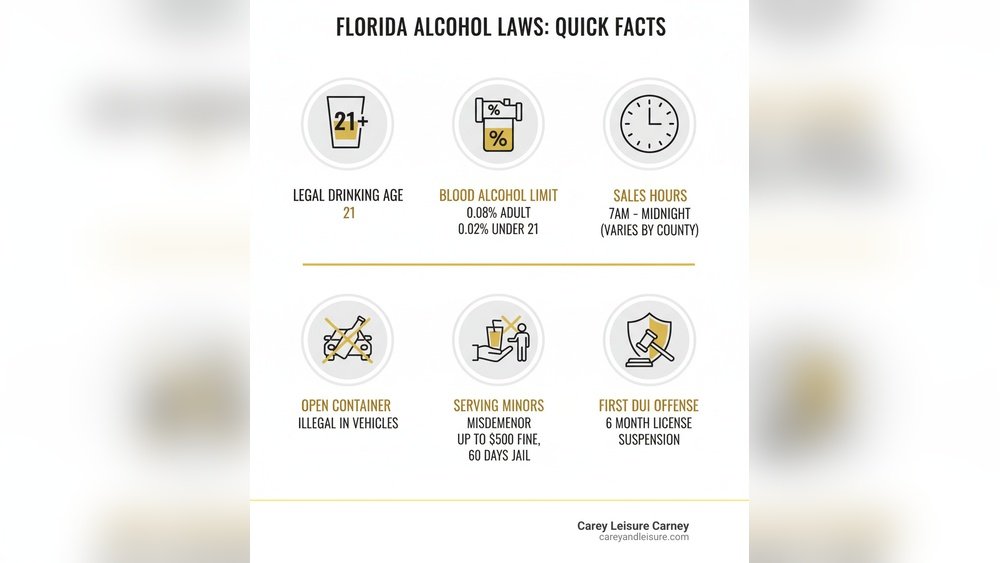
The legal BAC limit for most drivers in Florida is 0.08%. This means a driver with 0.08% or higher is legally impaired. Commercial drivers face a lower limit of 0.04%. Drivers under the influence of drugs or alcohol may face penalties even below these limits. Police use breath, blood, or urine tests to measure BAC.
Underage Drinking Laws
Florida has a zero-tolerance policy for drivers under 21. Any detectable BAC over 0.02% is illegal for underage drivers. Even small amounts of alcohol can lead to DUI charges. Penalties include license suspension, fines, and possible community service. The law aims to prevent underage drinking and driving accidents.
First-time Dui Penalties
Facing a first-time DUI charge in Florida carries serious consequences. The state enforces strict penalties to discourage impaired driving. Understanding these penalties helps prepare for legal and personal impacts. The punishments include fines, possible jail time, and license suspension. Each penalty varies depending on the specific circumstances of the offense. This section explains the main penalties for first-time DUI offenders in Florida.
Fines And Jail Time
First-time DUI offenders in Florida face fines ranging from $500 to $1,000. Court costs and fees may add to the total amount owed. Jail time is possible, with sentences from 48 hours up to six months. Judges may allow jail time to be served on weekends or as community service. A probation period usually follows, requiring compliance with court orders. Alcohol education or treatment programs may be mandatory during probation.
License Suspension Details
A first DUI offense triggers a driver’s license suspension for 180 days. Drivers may apply for a hardship license after a set period. This limited license allows driving only for work, school, or essential tasks. Refusal to submit to a breath or blood test can lead to longer suspension periods. Reinstating the license requires paying fees and completing any court-ordered programs. Failure to comply can result in further penalties and extended suspension.
Repeat Dui Offense Consequences
In Florida, repeat DUI offenses carry serious consequences. The state treats multiple DUI convictions with increased severity. Penalties become harsher to discourage repeated violations. Understanding these consequences helps drivers grasp the risks involved. Repeat offenders face stricter legal and financial burdens than first-time offenders.
Increased Penalties
Penalties for repeat DUI offenses in Florida increase significantly. Jail time may be longer for second or third offenses. Fines rise and can reach thousands of dollars. Courts often impose extended license suspensions or revocations. Repeat offenders might also need to install ignition interlock devices. Probation periods lengthen, requiring more court appearances. These penalties aim to reduce dangerous driving behavior effectively.
Vehicle Impoundment Rules
Florida enforces strict vehicle impoundment rules for repeat DUI offenders. Police may seize the offender’s vehicle after arrest. The vehicle can be impounded for several days or weeks. Owners must pay fees to retrieve their vehicles from impound. Repeat offenders might face longer impoundment periods than first-timers. This rule adds financial pressure and inconvenience. It also removes the vehicle from the road temporarily to improve safety.

Credit: floridabail411.com
Breathalyzer Refusal Rules
Florida has strict rules for drivers who refuse to take a breathalyzer test. These rules aim to discourage refusal and keep roads safer. Refusing a breath test can lead to serious legal consequences. The state treats refusal as a separate offense from driving under the influence (DUI). Understanding these rules helps drivers make informed choices during traffic stops.
New Laws On Refusal
Florida recently updated laws regarding breathalyzer refusal. Refusing a test now results in harsher penalties. The law creates a new criminal offense specifically for refusal. Drivers may face fines, jail time, or both. The changes aim to reduce the number of refusals. Law enforcement officers have more authority to enforce these rules. Refusal no longer just means losing your license but can lead to criminal charges.
Administrative License Suspension
Refusing a breathalyzer triggers an automatic license suspension. This suspension happens even before a court hearing. It usually lasts for one year for the first refusal. Repeat refusals cause longer suspensions and higher penalties. Drivers can request a hearing to challenge the suspension. However, the burden of proof is on the driver. The suspension applies regardless of DUI charges or outcomes. This rule acts as a strong deterrent against refusal.
Dui Enforcement And Testing
DUI enforcement in Florida is strict and follows clear procedures. Law enforcement officers use specific tests to check a driver’s impairment level. These tests help determine if the driver is under the influence of alcohol or drugs.
Testing plays a key role in proving DUI cases. Officers must follow state rules to collect accurate evidence. Understanding how enforcement and testing work helps drivers know their rights and responsibilities.
Field Sobriety Tests
Field sobriety tests assess a driver’s physical and mental abilities. Officers often use three standard tests. These include the walk-and-turn, one-leg stand, and horizontal gaze nystagmus.
The walk-and-turn requires the driver to walk heel-to-toe in a straight line. The one-leg stand asks the driver to balance on one foot. The horizontal gaze nystagmus checks eye movement for signs of intoxication.
These tests give officers clues about impairment. They are done on the roadside and require no special equipment. Performance on these tests can support arrest decisions.
Chemical Testing Procedures
Chemical tests measure blood alcohol concentration (BAC) or drug levels. Florida uses breath, blood, or urine tests. Breath tests are common because they are quick and non-invasive.
Officers must inform the driver of their rights before testing. Refusing a chemical test leads to automatic license suspension. The legal BAC limit in Florida is 0.08% for most drivers.
Test results are critical evidence in DUI cases. Proper handling and timing ensure accuracy. Laboratories analyze blood and urine samples following strict guidelines.

Credit: allaboutdrink.blog
Frequently Asked Questions
How Many Drinks Can You Have And Drive In Florida?
Florida law allows a maximum blood alcohol concentration (BAC) of 0. 08% for drivers 21 and older. Any amount impairing driving is illegal.
Can I Still Drive After 2 Beers?
After 2 beers, driving is risky and may impair your ability. Florida law can consider you legally impaired. Always avoid driving.
How Many Drinks Is 0.08 Alcohol Limit?
The 0. 08% blood alcohol limit usually equals about 2 standard drinks for most adults within two hours. Factors like weight and metabolism affect this.
What Is The New Dui Rule In Florida?
Florida’s new DUI rule makes refusing a breathalyzer test a separate criminal offense, leading to harsher penalties.
What Is The Legal Blood Alcohol Limit In Florida?
Florida’s legal blood alcohol limit is 0. 08% for drivers aged 21 and over. Commercial drivers have a lower limit of 0. 04%. Drivers under 21 must have zero alcohol in their system.
Conclusion
Understanding Florida’s drinking and driving laws helps protect everyone on the road. Penalties for DUI can be severe and affect your future. Stay informed about legal limits and consequences. Drive sober to avoid risks and legal troubles. Remember, safety starts with responsible choices every time you get behind the wheel.

Ismail Hossain is the founder of Law Advised. He is an Divorce, Separation, marriage lawyer. Follow him.