Concealed Carry Laws in Chicago Illinois: What You Must Know Today
If you carry a concealed weapon or are thinking about it in Chicago, knowing the local laws is crucial. Chicago’s concealed carry rules can be confusing and strict, but understanding them can protect you from serious legal trouble.
This guide will help you learn exactly what you need to do to stay safe and follow the law. Keep reading to make sure your rights are protected and you avoid costly mistakes.
Concealed Carry Permits In Chicago
Carrying a concealed weapon in Chicago requires a special permit. The city has strict laws to control who can carry a hidden gun. Understanding these permits helps people follow the rules and stay safe.
Types Of Permits Available
Chicago offers a few types of concealed carry permits. The most common is the Firearm Owner’s Identification (FOID) card. This card allows people to own guns but not carry them concealed. To carry a concealed weapon, you need a Concealed Carry License (CCL). The CCL lets you carry a handgun in public places.
Application Requirements
Applying for a concealed carry permit involves several steps. Applicants must be at least 21 years old. They need to have a clean criminal record with no serious offenses. Proof of residency in Illinois is necessary. Applicants must complete a firearms training course. This course covers safety, handling, and legal rules. Fingerprints and background checks are part of the process too.
Permit Validity And Renewal
A concealed carry permit in Chicago is valid for five years. Permit holders must renew before it expires. Renewal requires updating personal information and passing another background check. Failure to renew on time means losing the right to carry concealed. Staying aware of the permit’s expiration date is important for legal compliance.

Credit: drdlawllc.com
Legal Restrictions On Carrying
Legal restrictions on carrying a concealed weapon in Chicago are strict and clear. The city follows Illinois state laws but adds its own rules. Understanding these rules helps avoid serious trouble. It is important to know where you cannot carry, who can carry, and what types of guns are allowed.
Prohibited Locations
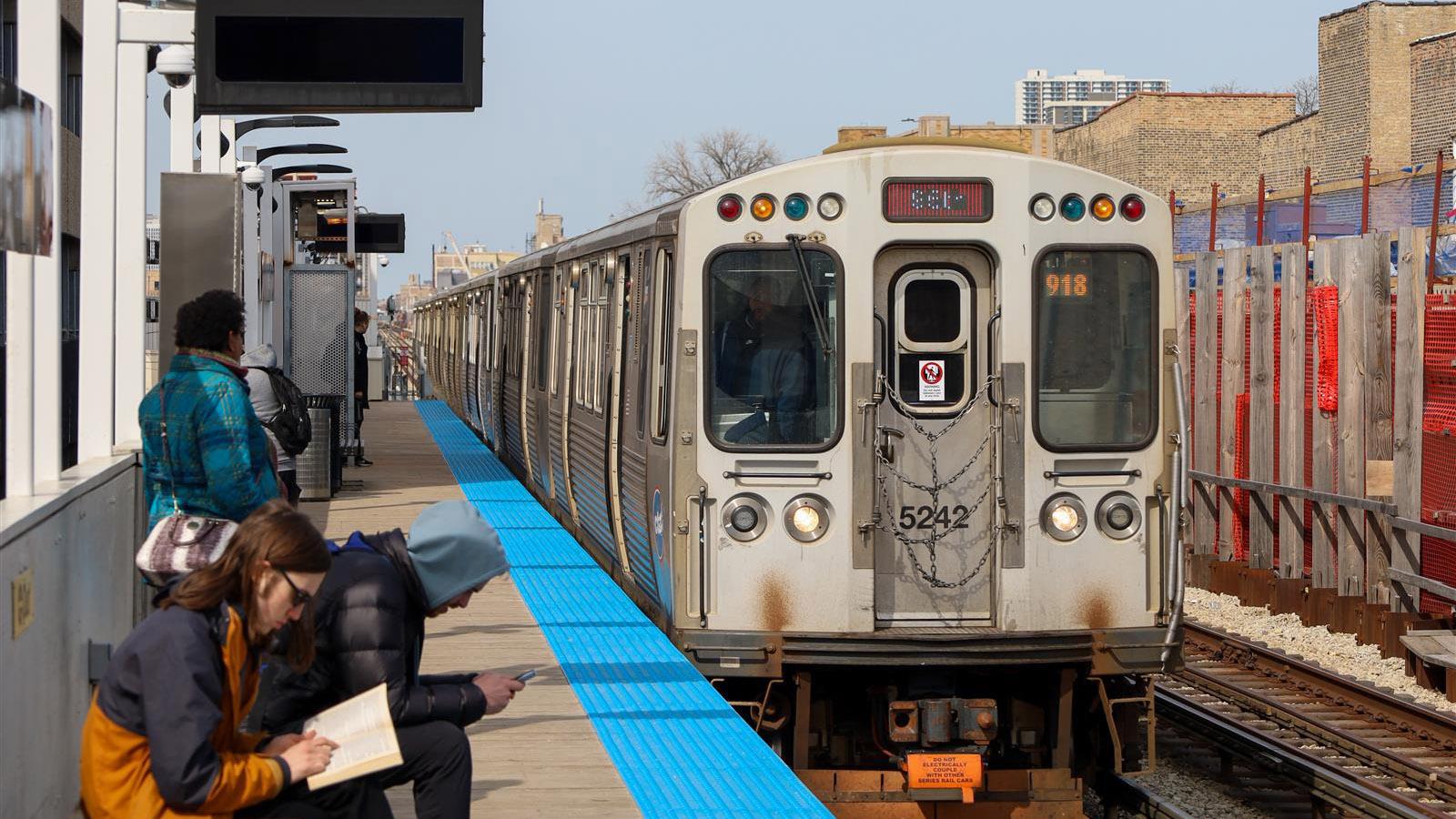
Many places in Chicago ban carrying concealed weapons. Schools, government buildings, and public transportation are off-limits. Bars, stadiums, and hospitals also forbid carrying guns. Private businesses can set their own rules. Always check signs or ask before entering.
Age And Eligibility Limits
Only adults 21 years or older can carry a concealed weapon in Chicago. Applicants must have no serious criminal record. They need a valid Illinois Firearm Owner’s Identification (FOID) card. A background check is required before approval. Some past convictions can block eligibility.
Firearm Types Allowed
Only handguns are allowed for concealed carry in Chicago. Long guns like rifles or shotguns cannot be carried concealed. The handgun must be legal under state and local laws. Certain models with high capacity magazines may be banned. Always carry firearms unloaded unless the law says otherwise.
Chicago Vs Illinois State Laws
Concealed carry laws in Chicago differ significantly from those in the rest of Illinois. The city has stricter rules despite state laws that are more permissive. Understanding these differences is important for anyone who carries a firearm. It helps avoid legal trouble and ensures responsible gun use.
Differences In Regulations
Illinois allows residents to carry concealed firearms with a permit. The state’s law sets the basic rules for carrying guns. Chicago, however, has extra restrictions. The city requires special permits and enforces tighter rules on where guns can be carried. For example, Chicago bans carrying guns in certain public areas where the state might allow it. People must follow both state and city laws, which can be confusing.
Reciprocity With Other States
Illinois recognizes concealed carry permits from some other states. This means visitors can legally carry in Illinois if their state’s permit is accepted. Chicago follows Illinois’s reciprocity rules but may have additional limits on permit recognition. Not all out-of-state permits are valid in Chicago. Visitors should check both Illinois and Chicago rules before carrying. Knowing reciprocity details protects travelers from legal issues.

Credit: www.youtube.com
Penalties For Violations
Violating concealed carry laws in Chicago carries serious consequences. The city enforces strict rules to ensure public safety. Penalties for breaking these laws can include fines, criminal charges, and other legal troubles. It is important to understand the risks before carrying a concealed weapon without proper permission.
Fines And Criminal Charges
Breaking concealed carry laws can lead to heavy fines. These fines vary based on the severity of the violation. Criminal charges may also follow, ranging from misdemeanors to felonies. Possession without a permit often results in arrest. Court appearances and legal fees add to the burden. Convictions can lead to jail time or probation. The law treats violations seriously to discourage illegal carrying.
Impact On Future Permits
Violations affect chances of getting future permits. A criminal record may block permit approval. Authorities review past offenses during application. Even minor violations can cause denial. Repeat offenders face longer bans or permanent disqualification. Clean records improve chances for legal carrying. Following the law protects your rights and future opportunities.
Safe Carrying Practices
Carrying a concealed weapon safely is important in Chicago. It protects you and others around you. Safe carrying means knowing how to store and carry your firearm properly. It also means understanding how to use it in self-defense situations. Following safe practices reduces the chance of accidents or legal trouble.
Every gun owner should take responsibility for their weapon. Learning safe carrying practices helps keep the community safe too. These rules apply whether you carry a handgun daily or just sometimes.
Storage And Transportation
Store your firearm unloaded in a locked container. Keep ammunition separate from the gun. Use a gun safe or lockbox at home. This prevents children or others from accessing it.
When transporting, keep the gun unloaded and in a case. Place it out of reach in your vehicle. Chicago law requires proper storage during transport. This lowers risks during travel and stops accidents.
Self-defense Considerations
Know when and how to use your gun for self-defense. Use force only if you face a real threat. Avoid drawing your weapon in public unless necessary.
Practice regularly to improve your skills and confidence. Take training courses approved by Illinois authorities. Understand local laws about self-defense and concealed carry.
Credit: news.wttw.com
Resources For Concealed Carry
Finding the right resources is key for concealed carry in Chicago. The laws can be complex. Knowing where to get help makes the process easier.
This section covers essential resources. It focuses on training, certification, and legal support. These are vital for safe and legal concealed carry.
Training And Certification
Training is required to carry a concealed weapon in Illinois. Classes teach safe handling and legal rules. Many local gun ranges offer certification courses. Online courses can help with theory but may not cover hands-on skills. Completing a certified course is necessary to apply for a permit. Training ensures you understand how to use your weapon properly. It also helps reduce accidents and legal issues.
Legal Assistance And Support
Legal help is important for concealed carry holders. Lawyers can explain the rights and limits under Chicago law. They assist with permit applications and renewals. Some organizations offer free or low-cost legal advice. Knowing your rights can prevent serious trouble. Legal support also helps if you face charges or disputes. Stay informed and prepared with trusted legal resources.
Frequently Asked Questions
What Are The Basic Requirements For Concealed Carry In Chicago?
You must be at least 21 years old and have a valid Illinois FOID card. A state-issued concealed carry license is also required.
Where Can I Legally Carry A Concealed Weapon In Chicago?
You can carry in most public places but not in schools, government buildings, or private properties that ban guns. Always check local rules.
How Do I Apply For A Concealed Carry License In Chicago?
Apply through the Illinois State Police website or local police department. You need to complete training and pass a background check.
Can I Carry A Concealed Weapon Without A License In Chicago?
No. Carrying a concealed firearm without a license is illegal and may lead to fines or jail time.
Are There Special Rules For Carrying Firearms In Chicago Public Transport?
Carrying firearms on buses and trains is not allowed. Always keep your weapon unloaded and secured if traveling.
What Happens If I Break Concealed Carry Laws In Chicago?
Violating these laws can lead to fines, license loss, or criminal charges. Penalties depend on the offense’s severity.
Conclusion
Chicago’s concealed carry laws have many rules to follow. You need a proper permit to carry a handgun legally. Always check local laws before carrying any weapon. Staying informed helps you stay safe and avoid trouble. Remember, these laws can change, so keep updated.
Respect and responsibility matter most when carrying a gun. Stay alert and act wisely at all times. Safety is everyone’s job.

Ismail Hossain is the founder of Law Advised. He is an Divorce, Separation, marriage lawyer. Follow him.