Maternity Leave Laws in Washington State: What You Need to Know
Are you expecting a new addition to your family or planning ahead for maternity leave in Washington State? Understanding your rights and benefits under Washington’s maternity leave laws is crucial for protecting your job and securing the time you need to care for yourself and your baby.
But navigating the details can feel overwhelming—how long can you take off? Will you get paid? What steps do you need to follow to apply? This article breaks down everything you need to know in simple terms, so you can feel confident and prepared.
Keep reading to discover how Washington’s unique maternity leave laws work and how they can support you during this important time in your life.
Washington Paid Family And Medical Leave
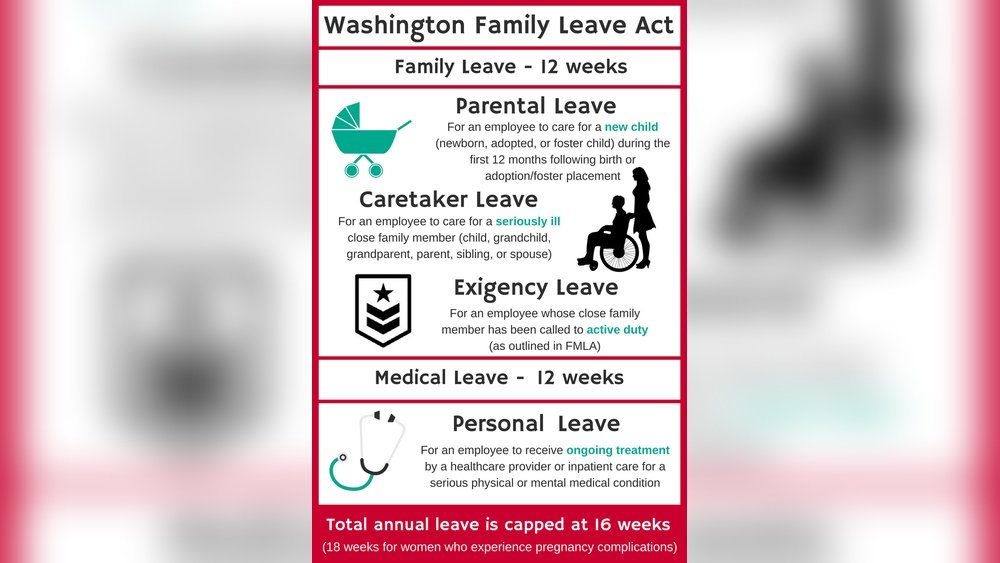
Washington Paid Family and Medical Leave (PFML) offers paid time off for new parents and workers with serious health conditions. This program helps employees take care of family needs while keeping some income. It supports bonding with a new child or recovering from childbirth. The law applies to most workers in Washington State.
Program Overview
The Washington PFML program provides paid leave for family and medical reasons. It covers pregnancy, childbirth, adoption, and serious illnesses. Workers can take leave without losing their job. The program is funded by contributions from employers and employees. Paid leave helps workers focus on their health and family.
Eligibility Criteria
To qualify, workers must have earned at least $1,000 in the past year. They must work in Washington and pay into the program. Both full-time and part-time employees can apply. Self-employed individuals can also join voluntarily. Some federal employees and railroad workers are not covered.
Duration And Benefits
Eligible workers can take up to 12 weeks of paid leave. New parents may receive an additional 2 weeks. Benefits replace a portion of the worker’s average weekly wages. The payment amount depends on income and the state’s benefit rate. There is no waiting period for leave after childbirth.
Application Process
Workers must apply online through the official Washington PFML website. The application requires basic personal and employment information. Separate claims may be needed for medical and family leave. Approval usually takes a few weeks. Workers should notify their employers about their leave plans.
Credit: paidleave.wa.gov
Job Protection During Leave
Job protection during maternity leave is crucial for new parents in Washington State. It ensures employees can take time off without fear of losing their job. Several laws at the state and federal levels work together to provide this protection. Understanding these rules helps expecting parents know their rights and what to expect from their employers.
State Job Protection Laws
Washington State law protects employees taking maternity leave. The Washington Law Against Discrimination (WLAD) requires employers to provide pregnancy disability leave. This leave covers the time an employee is temporarily unable to work due to pregnancy or childbirth. The law applies to most employers regardless of size. Employees have the right to return to the same or a similar job after their leave ends.
Employer Obligations
Employers must hold an employee’s job during maternity leave. They cannot fire or demote an employee because of pregnancy or leave. Employers must also continue benefits during the leave period. Reasonable accommodations should be provided if the employee needs them. Employers must comply with both state and federal job protection laws.
Rights Under Federal Fmla
The Family and Medical Leave Act (FMLA) offers job protection for eligible employees. It allows up to 12 weeks of unpaid, job-protected leave for childbirth and bonding. Employers with 50 or more employees must follow FMLA rules. Employees must have worked at least 1,250 hours in the past year to qualify. FMLA guarantees the right to return to the same or an equivalent job after leave.
Pregnancy Disability Leave
Pregnancy Disability Leave in Washington State protects employees who cannot work due to pregnancy-related health issues. It offers job protection and time off for those temporarily disabled by pregnancy or childbirth. This leave ensures workers can focus on their health without risking their employment status.
Unpaid Leave For Pregnancy-related Disabilities
Washington law allows unpaid leave for pregnancy-related disabilities. This leave covers any period when the employee cannot perform job duties due to pregnancy complications. The length of leave depends on the medical condition and recovery time. Employers must hold the employee’s position or a similar one until they return.
Medical Certification Requirements
Employers may require a doctor’s note to approve Pregnancy Disability Leave. The medical certification must confirm the employee’s inability to work. It should specify the disability period and any work restrictions. Timely submission of this documentation helps avoid delays in leave approval.
Interaction With Other Leave Types
Pregnancy Disability Leave can overlap with other leave types like the Family and Medical Leave Act (FMLA) or Washington Paid Family and Medical Leave. Employees should understand how these leaves work together. Proper coordination ensures maximum benefits without losing job protection.
Credit: www.seattletimes.com
Paid Vs Unpaid Leave
Understanding the difference between paid and unpaid maternity leave is essential for new parents in Washington State. Paid leave offers financial support during time off, while unpaid leave provides job protection without income. Knowing your options helps plan better for the arrival of your baby and manage your finances effectively.
Differences Between State And Federal Leave
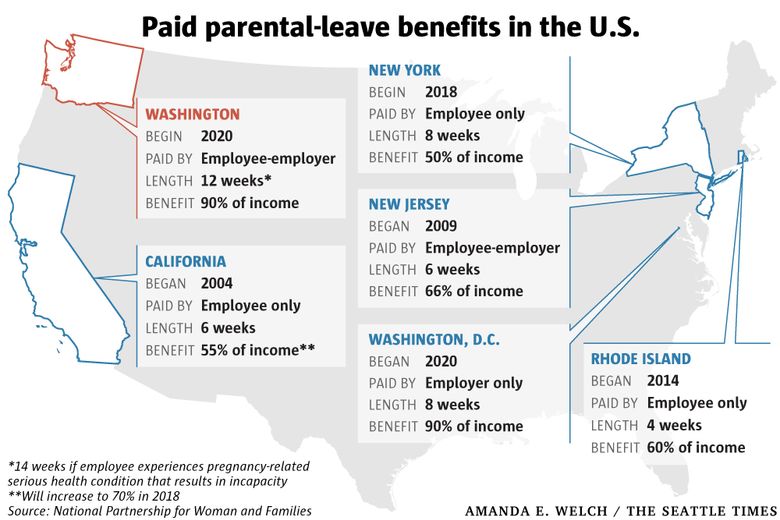
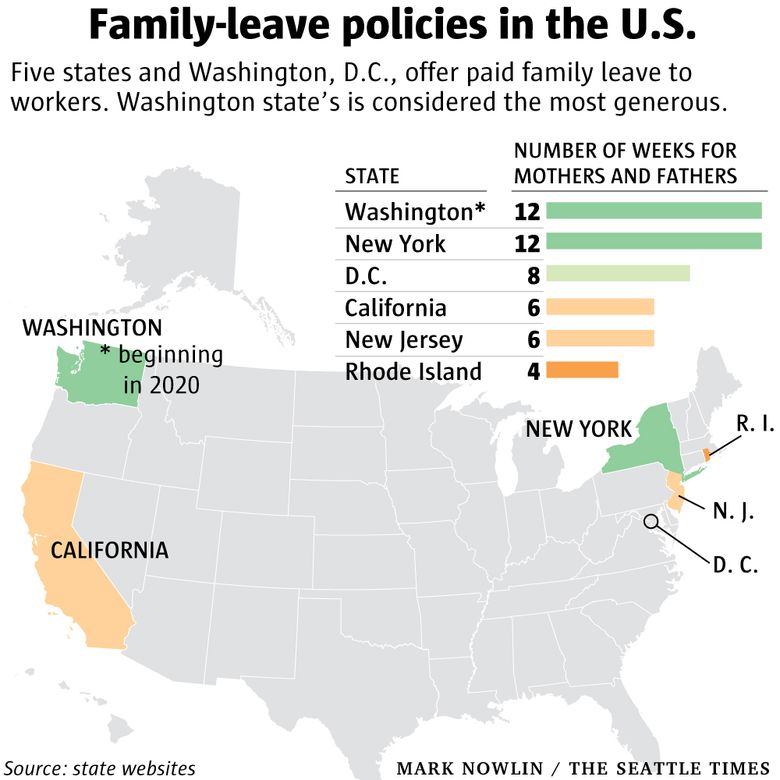
Washington State provides paid family and medical leave through a state program. It offers up to 12 weeks of paid leave for maternity and bonding. The federal Family and Medical Leave Act (FMLA) grants up to 12 weeks of unpaid leave for eligible employees. FMLA guarantees job protection but does not require payment during leave. State paid leave benefits can be used alongside FMLA to cover income loss.
Company Policies And Additional Benefits
Employers may offer maternity leave benefits beyond state and federal laws. Some companies provide fully paid maternity leave or extend unpaid leave periods. Check your company’s policy manual or human resources for details. Additional benefits might include flexible work hours or remote work options after leave. These perks can ease the transition back to work.
Calculating Paid Leave Benefits
Washington’s paid family leave pays a portion of your weekly wages. The amount depends on your earnings before leave. There is a maximum weekly benefit set by the state. To estimate your payment, use the official state calculator online. Remember, payment usually starts after a short waiting period. Keep track of your income and hours worked to ensure accurate benefits.
Applying For Maternity Leave
Applying for maternity leave in Washington State involves clear steps to ensure you receive your benefits on time. Understanding these steps helps you avoid delays and confusion. The process requires submitting specific applications and documents through the official state portal. Knowing what to prepare and where to apply makes the experience smoother.
Submitting Separate Applications
Washington State requires two separate applications for maternity leave. One is for medical leave, which covers the time immediately after childbirth. The other is for family bonding leave, used to spend time with your new child. Each application has its own timeline and criteria. Submitting them separately ensures you get the correct benefits for each part of your leave.
Required Documentation
Gathering the right documents is essential before applying. You need proof of your pregnancy or childbirth, such as a doctor’s note or birth certificate. Your employer may also require a medical certification form. Keep all these documents ready to upload or send. Having everything prepared speeds up the approval process.
Using The Washington Paid Leave Portal
The Washington Paid Leave Portal is the official website to apply for maternity leave. It guides you through each step of the application. The portal allows you to upload documents and track your claim status. You can also estimate your weekly pay benefit there. Using this portal is the fastest and safest way to apply for your leave benefits.
Credit: www.seattletimes.com
Parental Leave For Non-birthing Parents
Parental leave for non-birthing parents in Washington State supports fathers, adoptive parents, and partners. It offers time to bond with a new child while ensuring job security and income support. The laws aim to provide equal leave rights beyond the birthing parent.
Non-birthing parents can take paid leave after their child’s birth or adoption. This leave encourages family bonding and helps new parents adjust to their roles. Washington State’s policies make this process straightforward and fair.
Eligibility And Duration
Non-birthing parents are eligible if they work for a covered employer. They must have worked at least 820 hours in the past year. The maximum leave is 12 weeks per year for bonding.
This leave applies after birth, adoption, or placement of a foster child. It includes time off for bonding and caring for the new child. Leave can be taken all at once or intermittently within 12 months.
Job Protection And Benefits
Washington law protects your job during parental leave. Your employer must hold your position or a similar one. Benefits like health insurance continue while you are on leave.
You receive partial wage replacement through the state’s Paid Family and Medical Leave program. This support eases financial stress during leave. Your rights under federal FMLA also apply if your employer qualifies.
Application Process
Apply for parental leave through the Washington Paid Family and Medical Leave website. Submit your application before or during your leave. Provide details about your employer and expected leave dates.
Keep records of your communications and approvals. Employers must cooperate and cannot deny rightful leave. The process is designed to be clear and accessible for all eligible parents.
Common Employer Practices
Employers in Washington State follow specific practices to support pregnant employees during maternity leave. These practices ensure compliance with state laws and promote a smooth transition before, during, and after leave. Understanding common employer approaches helps both workers and managers navigate maternity leave effectively.
Accommodations For Pregnant Employees
Employers provide reasonable accommodations to pregnant workers. These may include modified duties or adjusted work schedules. Such measures help employees stay productive and safe. Accommodations prevent unnecessary strain and support health. Employers must follow the Washington Law Against Discrimination (WLAD). This law requires fair treatment and necessary adjustments during pregnancy.
Return-to-work Policies
Employers often have clear rules for returning after maternity leave. These policies outline when and how employees resume work. Some allow flexible hours or part-time schedules initially. This eases the transition back into the workplace. Returning employees usually keep their original job or an equivalent one. Job protection is a key part of Washington’s maternity leave laws.
Handling Extensions And Intermittent Leave
Extensions may occur due to medical needs or childcare issues. Employers typically review requests for additional leave carefully. Intermittent leave allows employees to take time off in small segments. This option supports ongoing medical care or family needs. Employers balance business operations with employee rights. Clear communication is crucial to manage these situations smoothly.
Resources And Support
Understanding maternity leave laws can feel overwhelming. Many resources and support systems exist in Washington State. They help parents navigate their rights and benefits. Access to clear information makes the process easier.
These resources include official government websites, legal aid services, and employee advocacy groups. Each offers valuable assistance for maternity leave questions. Exploring these options ensures you are well-informed and supported.
Official Government Portals
The Washington State government provides detailed information on maternity leave. Visit the Washington Paid Family and Medical Leave (PFML) website. It explains eligibility, application steps, and benefits. The portal allows you to estimate your weekly pay during leave. You can also download necessary forms and track your application status here.
The Department of Labor & Industries (L&I) site offers guidance on pregnancy disability leave. It covers job protections and employer responsibilities under state law. These official sites are the best starting point for accurate, up-to-date details.
Legal Assistance
Legal help is available for those facing challenges with maternity leave. Nonprofit organizations provide free or low-cost advice. They help understand rights under the Washington Law Against Discrimination (WLAD) and federal laws like FMLA.
Law firms specializing in employment law offer consultations. They assist with disputes over leave denial or job protection. Early legal support can prevent complications and protect your workplace rights.
Employee Advocacy Groups
Many advocacy groups focus on supporting working parents. They offer resources, counseling, and peer support. These groups promote fair maternity leave policies and workplace equality.
Some provide workshops on negotiating leave with employers. Others connect you with community resources for childcare and health services. Joining these groups can boost confidence and knowledge during maternity leave planning.
Frequently Asked Questions
How Long Is Paid Maternity Leave In Washington?
Washington offers up to 12 weeks of paid maternity leave through its Paid Family and Medical Leave program. Eligible employees can receive partial wage replacement during this period. No waiting period applies after childbirth, and job protection is ensured during leave.
Can You Take 7 Months Maternity Leave?
Yes, Washington State allows up to 12 weeks of paid family and medical leave, which can cover 7 months maternity leave. Apply separately for medical and family bonding leave. Job protection applies during this leave. Check Washington Paid Family and Medical Leave portal for details.
Does My Job Have To Accommodate Me If I’m Pregnant?
Employers must provide reasonable accommodations for pregnant employees under federal and state laws. Accommodations depend on job duties and medical needs.
Is Maternity Leave 12 Or 16 Weeks?
Maternity leave duration varies by state and employer. It commonly ranges from 12 to 16 weeks of unpaid or paid leave. Check local laws and company policies for exact length and benefits.
Conclusion
Washington State offers strong maternity leave protections for new parents. Paid leave helps families focus on recovery and bonding. Job security during leave is guaranteed by law. Understanding your rights ensures a smoother transition at work. Visit official resources to apply and learn more.
Taking time off supports both parent and baby health. Knowing your options helps you plan better for the future. Washington’s laws aim to support families during important life moments.

Ismail Hossain is the founder of Law Advised. He is an Divorce, Separation, marriage lawyer. Follow him.