Video Recording Laws in Washington State: What You Must Know Today
If you’re thinking about recording a video in Washington State, it’s crucial to know the laws that govern when and how you can do it legally. You might wonder, “Can I record someone without their permission?” or “What happens if I record a private conversation?” Understanding Washington’s video recording laws can protect you from legal trouble and help you respect others’ privacy rights.
You’ll discover the key rules about recording in public places, workplaces, and private settings. You’ll also learn when consent is required and how the state’s strict two-party consent law affects audio and video recordings. Keep reading to make sure your recordings stay on the right side of the law.
Credit: www.rev.com
Video Recording In Public Spaces
Recording videos in public spaces in Washington State is allowed under certain conditions. People often film outdoors to capture events, document incidents, or create content. Understanding the legal limits helps avoid trouble and protects privacy rights.
No Expectation Of Privacy Outdoors
In Washington, people have no reasonable expectation of privacy in public places. Streets, parks, and sidewalks are open areas where video recording is legal. Anyone can record without asking permission, as long as they do not harass or intimidate others.
This means filming a public protest, a busy street, or public gatherings is generally permitted. The law assumes people in public accept they may be seen or recorded by others. Privacy rights mainly protect private spaces, not open public areas.
Restrictions On Public Surveillance
Public surveillance cameras must follow specific rules in Washington. Government agencies and businesses can use video for safety and crime prevention. However, they cannot use cameras to spy on private property or record audio without consent.
The law also limits how long recordings can be stored and who can access them. Surveillance must respect civil rights and avoid unlawful discrimination. Unauthorized use of recorded videos may lead to legal actions or penalties.
Video Recording In Private Spaces
Video recording inside private spaces in Washington State involves strict rules. The law protects personal privacy strongly. Understanding consent and the rights of individuals inside private areas is crucial.
Private spaces include homes, private offices, and any area where people expect privacy. Recording in these places without permission can lead to legal trouble. The state focuses on protecting individuals from unauthorized surveillance.
Consent Requirements Indoors
Washington State requires consent from all parties before recording indoors. This rule applies to both video and audio recordings. Everyone present must agree to be recorded.
Consent can be given verbally or in writing. Without consent, recording is illegal and may lead to criminal charges. The law aims to prevent secret recordings in private settings.
Recording Houseguests And Visitors
Recording guests or visitors inside your home still requires their permission. Even as a homeowner, you must respect their privacy rights. Inform them clearly if you plan to record.
Failure to get consent from visitors can result in civil lawsuits. The law treats visitors’ privacy seriously. Always ask for permission before filming or recording anyone in your home.
Audio Recording Rules
Washington State has clear rules about audio recording. These laws protect people’s privacy during conversations. Recording audio without permission can lead to legal trouble. Understanding these rules helps you avoid breaking the law.
Two-party Consent Law
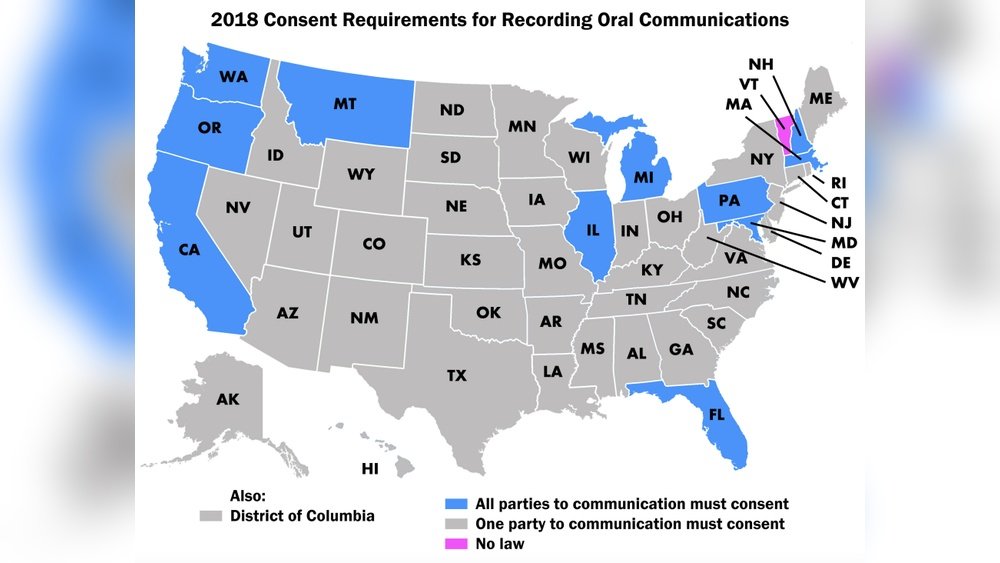
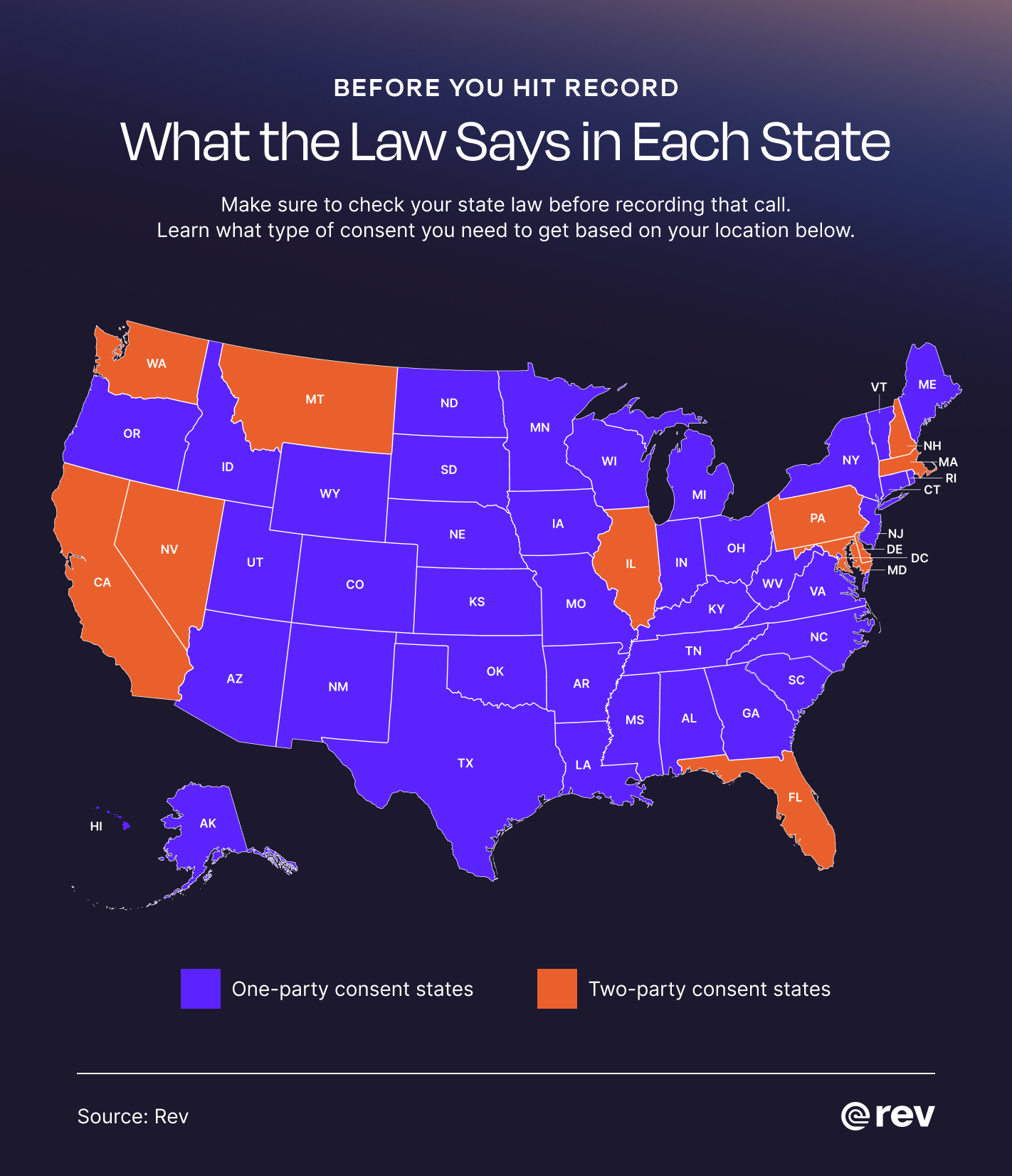
Washington requires consent from all parties before recording audio. This means everyone speaking must agree to the recording. Recording without consent is illegal and can lead to criminal charges. This law applies to phone calls, in-person talks, and electronic conversations.
Exceptions To Consent
Some situations allow recording without full consent. For example, if the conversation is in a public place with no privacy expectation. Also, if one party clearly allows the recording, it may be legal. Still, these exceptions are limited and must be handled carefully.
Workplace Audio Recording
Employers in Washington can use audio recording at work only with strict rules. All employees must know and agree to the recording. Secret audio recording at work is against the law. Video surveillance is allowed, but audio needs clear consent.
Credit: www.govtech.com
Legal Consequences Of Illegal Recording
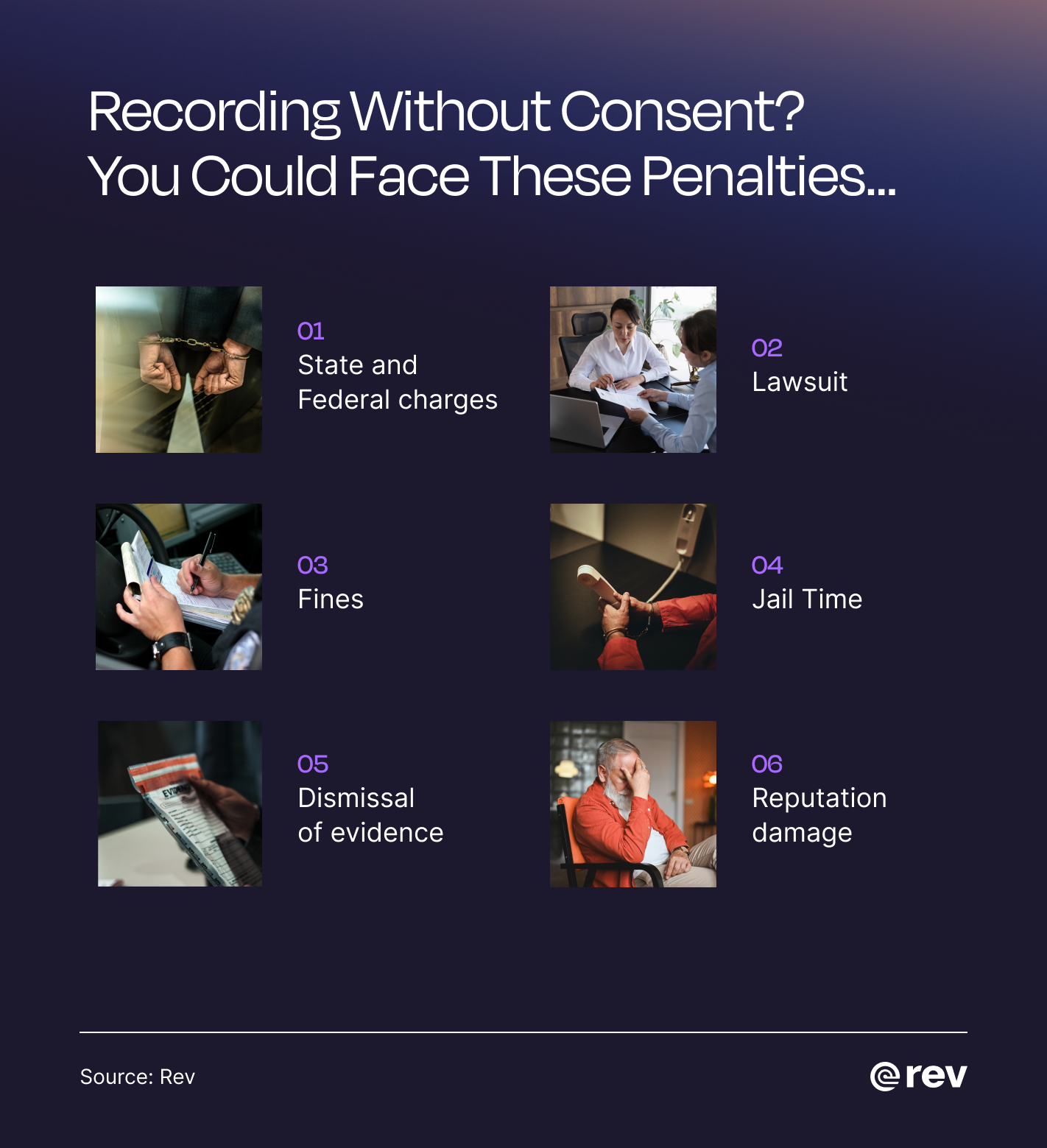
Recording video without permission in Washington State has serious legal consequences. The law protects privacy and punishes unauthorized recordings. Violators face criminal charges, civil lawsuits, and issues with using the recording in court. Understanding these consequences helps avoid legal trouble.
Criminal Offenses
Illegal video recording can lead to criminal charges. Washington is a two-party consent state. Both parties must agree to recording private conversations. Secretly recording without consent may result in fines or jail time. Law enforcement takes privacy violations seriously. Penalties vary depending on the case details.
Civil Lawsuits And Damages
Victims of illegal recordings can file civil lawsuits. They may seek damages for emotional distress and privacy invasion. Courts may award money to compensate for harm caused. Lawsuits can also demand the destruction of the recording. Civil cases protect individuals’ privacy rights beyond criminal law.
Evidence Admissibility In Court
Illegally recorded videos often cannot be used as evidence. Courts reject recordings made without proper consent. This rule protects privacy and ensures fair trials. Legal recordings follow strict rules to be accepted. Unauthorized videos may weaken a legal case or be dismissed entirely.
Video Surveillance At Work
Employers in Washington State often use video surveillance to protect property and ensure safety. Cameras can help prevent theft and monitor employee performance. Surveillance can take place in public work areas but must respect privacy laws.
Understanding the rules about video recording at work is important. Both employers and employees have rights and responsibilities. The law balances workplace security with personal privacy.
Employer Rights And Limits
Employers may install video cameras in common workspaces. They can record areas like entrances, hallways, and production floors. Recording audio, however, requires strict consent from all parties involved.
Employers cannot place cameras in private spaces like restrooms or locker rooms. Surveillance must be reasonable and not overly intrusive. Employers must inform employees about camera use in many cases.
Employee Privacy Protections
Employees have a right to privacy even at work. They expect private areas to remain free from video recording. Washington law protects workers from secret or hidden cameras.
Employees should be told if surveillance is happening. They can raise concerns if cameras invade their privacy. The law supports a fair balance between security and respect for personal space.
Recording Devices Visibility
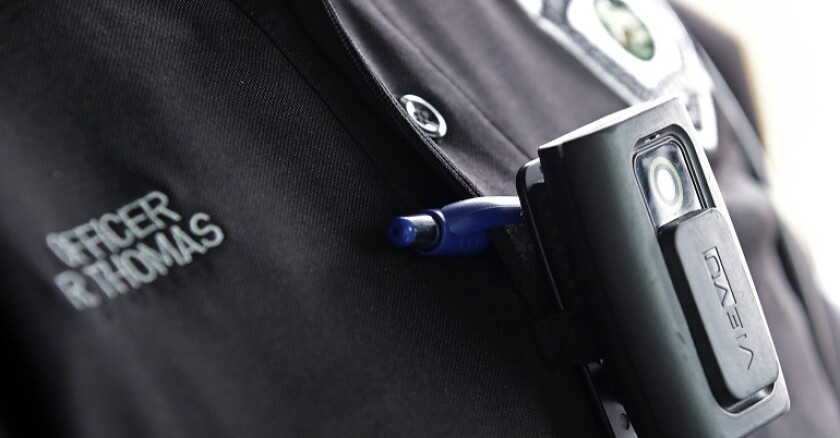
Visibility of recording devices plays a key role in Washington State’s video recording laws. When cameras or other devices are clearly visible, it changes how consent is understood. People who notice recording equipment usually accept or expect the possibility of being recorded. This concept of consent often depends on whether the device is obvious or hidden.
Visible recording devices reduce privacy concerns. They warn individuals that their actions might be captured. This can affect the legality of recordings made in both public and private spaces. The law treats recordings differently based on the presence and visibility of such devices.
Implied Consent With Visible Cameras
Washington law often assumes implied consent if cameras are in plain sight. People seen by a visible camera are generally considered to agree to recording. This applies especially in public or semi-public areas. The assumption is that people notice the camera and accept being recorded.
Implied consent does not require spoken or written permission. Simply seeing the camera can signal agreement. This helps avoid legal issues in many everyday situations. Still, private conversations may need explicit consent regardless of camera visibility.
Use By Journalists And Media
Journalists rely on visible recording devices to respect Washington’s consent laws. Reporters must make sure their cameras are easy to spot. This ensures subjects understand they might be recorded. The law often protects journalists when cameras are not hidden.
Visible devices help media outlets avoid accusations of secret recordings. Public interviews and events usually fall under implied consent rules. Journalists also follow ethical standards that promote transparency during recordings.
Handling Secret Recordings
Handling secret recordings in Washington State involves serious legal concerns. Recording someone without their knowledge can break privacy laws. The state has clear rules about what is allowed. Understanding these laws helps protect your rights and avoid trouble.
Washington requires consent from all parties before recording private conversations or activities. Secret recordings may violate these laws and can lead to criminal charges. The law aims to balance privacy with lawful surveillance.
Voyeurism And Privacy Violations
Voyeurism means secretly watching or recording someone in private. Washington law strictly prohibits such actions. Recording in places like bedrooms or bathrooms is illegal. These acts invade personal privacy and cause harm.
Secret video recordings without consent can be treated as privacy violations. The law penalizes those who use hidden cameras to spy on others. Victims of voyeurism can report the crime to authorities. Courts take these violations seriously to protect individuals.
Legal Remedies For Victims
Victims of secret recordings have several legal options. They can file criminal complaints against offenders. The law allows victims to seek damages in civil court too. Courts may order the removal of illegal videos.
Victims should act quickly to preserve evidence. Legal professionals can guide victims through the process. Washington law supports protecting personal privacy and punishing violators. These remedies help restore safety and peace of mind.
Credit: www.rev.com
Frequently Asked Questions
Is It Illegal To Voice Record Someone Without Consent In Wa?
In Washington, recording private conversations without all parties’ consent is illegal. Consent can be express or implied. Recording in public where no privacy exists is generally allowed. Illegal recordings are inadmissible in court and may lead to legal consequences.
Can I Sue Someone For Recording Me Without My Permission In Washington State?
In Washington, you must get consent from all parties before recording. Secret recordings without permission can lead to a lawsuit.
Can You Sue Someone For Video Recording You Without Your Permission?
You can sue someone for video recording you without permission in Washington if you had a reasonable expectation of privacy. The state requires all-party consent for private recordings. Secretly recording private conversations or activities is illegal and may lead to civil lawsuits and criminal charges.
Do I Have To Tell Someone I’m Recording Them?
Washington is a two-party consent state. You must inform and get permission before recording private conversations or audio.
Conclusion
Understanding video recording laws in Washington State is vital for everyone. Always get consent before recording private conversations. Public spaces usually allow video recording without permission. Workplaces have specific rules about video and audio surveillance. Breaking these laws can lead to serious legal trouble.
Stay informed and respect others’ privacy rights at all times. This helps you avoid problems and use recordings responsibly. Keep these guidelines in mind to stay safe and legal.

Ismail Hossain is the founder of Law Advised. He is an Divorce, Separation, marriage lawyer. Follow him.