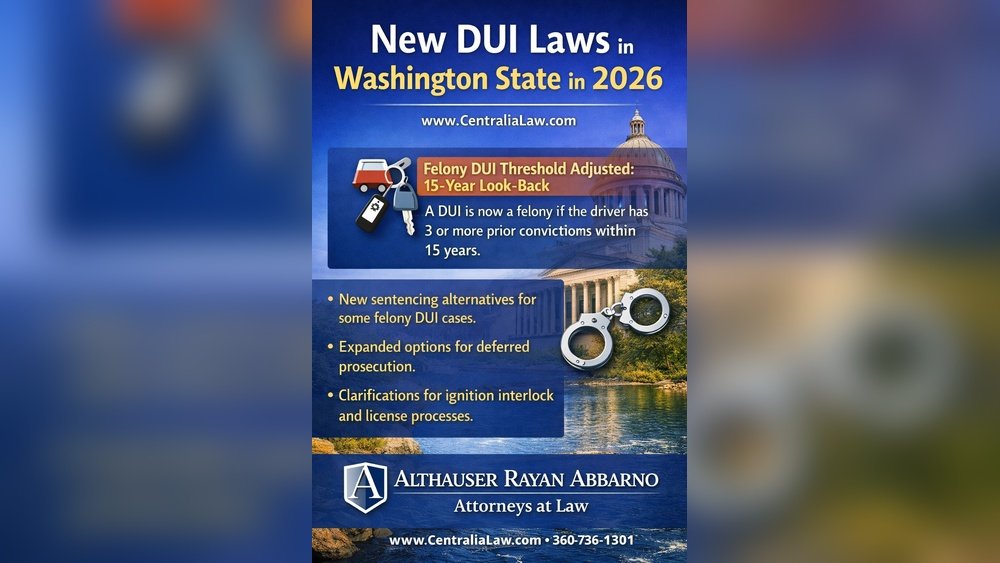
Drinking And Driving Laws in Washington State: What You Must Know
When you get behind the wheel, do you truly understand Washington State’s drinking and driving laws? You might think a couple of drinks won’t affect your ability to drive safely, but even small amounts of alcohol can lead to serious legal trouble here.
Knowing the exact rules about blood alcohol limits, penalties, and your rights can protect you from costly fines, license suspension, or worse. This article breaks down everything you need to know about drinking and driving laws in Washington State—so you can make smart choices and stay safe on the road.
Keep reading to learn how the law impacts you and what steps to take if you ever face a DUI charge.
Legal Blood Alcohol Limits
Washington State sets strict legal blood alcohol content (BAC) limits for drivers. These limits help keep roads safe. Knowing the allowed BAC levels is important for all drivers. The laws vary depending on the driver’s age and license type. Understanding these limits reduces the risk of DUI charges and accidents.
General Bac Limits
The general BAC limit in Washington is 0.08%. Drivers with a BAC at or above this level face DUI charges. This limit applies to most adult drivers aged 21 and older. The state uses breath, blood, or urine tests to measure BAC. Driving under the influence of alcohol above this limit is illegal.
Limits For Learner And Provisional Drivers
Washington requires zero BAC for learner and provisional drivers. These drivers include those under 21 or with restricted licenses. Even a small amount of alcohol can lead to DUI charges. The zero-tolerance policy aims to protect new drivers. It encourages responsible driving habits from the start.
Impact Of Cannabis And Drugs
Washington law also bans driving under the influence of cannabis or drugs. There is no safe BAC level for drug-impaired driving. The state tests for THC and other impairing substances. Driving while impaired by drugs is treated like alcohol DUI. Penalties apply regardless of whether alcohol is involved.
Standard Drink Measurements
Understanding standard drink measurements is key to following Washington State’s drinking and driving laws. A standard drink contains a specific amount of pure alcohol. This helps drivers estimate their alcohol intake and avoid legal trouble.
Knowing what counts as a standard drink and how it affects your blood alcohol content (BAC) is important. These facts can help you make safer choices on the road.
What Constitutes A Standard Drink
A standard drink in Washington usually contains 0.6 ounces of pure alcohol. This amount is found in different types of beverages:
- 12 ounces of regular beer (around 5% alcohol)
- 5 ounces of wine (about 12% alcohol)
- 1.5 ounces of distilled spirits or liquor (40% alcohol)
Serving sizes may vary, but these measures help you understand your alcohol intake. Bars and restaurants often serve larger portions, which means more alcohol per drink.
How Many Drinks Affect Bac
Blood alcohol content rises with each standard drink consumed. In Washington, the legal BAC limit for most drivers is 0.08%. For commercial drivers and those under 21, the limit is much lower.
Just one or two drinks can raise your BAC near or above the legal limit. Factors like weight, gender, and metabolism also affect BAC. Drinking slowly and knowing your limits reduces the risk of DUI charges.
Remember, even small amounts of alcohol can impair driving ability. Staying informed on standard drink measurements can keep you safe and legal.
Penalties For Dui Offenses
Washington State enforces strict penalties for driving under the influence (DUI) to improve road safety. The law treats each offense seriously, with consequences growing harsher for repeat violations. Penalties include fines, jail time, and license restrictions. Understanding these penalties can help drivers avoid severe legal trouble.
First Offense Penalties
A first DUI offense in Washington is classified as a misdemeanor. Drivers face fines up to $5,000 and jail time up to 364 days. Courts may also require attendance at alcohol education or treatment programs. Ignition interlock devices are often installed in vehicles. Penalties depend on the driver’s blood alcohol content (BAC) and other factors.
Penalties For Repeat Offenders
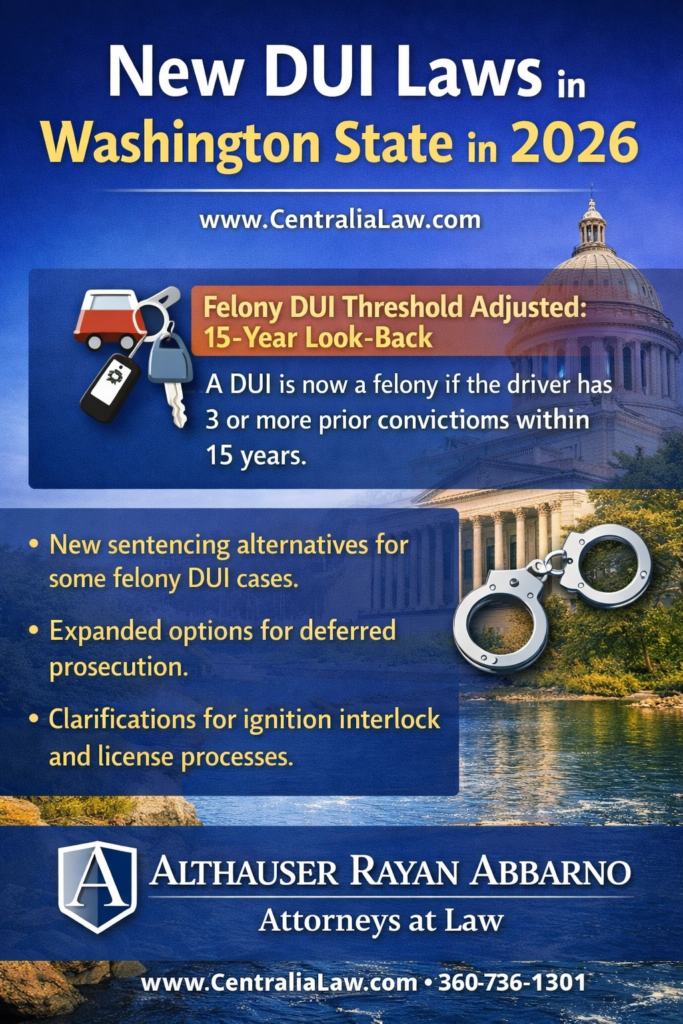
Repeat DUI offenses carry harsher penalties. The second offense can lead to longer jail time and higher fines. Courts may impose mandatory treatment programs. A third or subsequent DUI is a gross misdemeanor or felony. Penalties include extended jail sentences, larger fines, and possible felony charges. These laws aim to deter habitual impaired driving.
License Suspension And Revocation
Washington suspends or revokes driver’s licenses for DUI convictions. First offenses usually trigger license suspension for 90 days. Repeat offenses lead to longer suspensions or revocations. Drivers may need to install ignition interlock devices to regain driving privileges. Failure to comply with license restrictions results in additional penalties.

Credit: www.deleterecord.com
Dui Enforcement And Testing
Washington State enforces strict DUI laws to keep roads safe. Police officers use various tests to check if a driver is impaired. These tests help determine if alcohol or drugs affect driving ability. Understanding these methods is key for all drivers in Washington.
Breathalyzer And Field Sobriety Tests
Officers often start with field sobriety tests. These include walking in a straight line and balancing on one foot. The tests check coordination and alertness. If suspicion remains, a breathalyzer test follows.
The breathalyzer measures blood alcohol content (BAC) from a breath sample. It gives quick results at the scene. Washington’s legal BAC limit is 0.08% for most drivers. Lower limits apply to commercial and young drivers.
Chemical Testing Procedures
Chemical tests confirm alcohol or drug levels in the body. These include breath, blood, and urine tests. Blood tests provide the most accurate BAC readings. Urine tests detect drug use but are less common for alcohol.
Tests must follow strict procedures to be valid. Certified technicians usually perform blood draws. Results play a major role in court cases and license actions.
Refusal Consequences
Refusing a chemical test leads to serious penalties. Washington applies an automatic license suspension for test refusal. The suspension can last from one year or more. Refusal evidence can also be used against drivers in court.
Drivers must know their rights but also the risks of refusal. Cooperation often results in better outcomes during DUI stops.
Special Rules And Exceptions
Washington State enforces specific rules and exceptions for drinking and driving laws. These special provisions ensure stricter control and safety for vulnerable groups and repeat offenders. Understanding these rules helps drivers comply and avoid severe penalties.
Zero Tolerance For Underage Drivers
Drivers under 21 years old must have a blood alcohol content (BAC) of 0.00%. Any detectable alcohol in their system is illegal. This zero tolerance policy aims to prevent underage drinking and driving. Violations can lead to license suspension and fines.
Commercial Driver Restrictions
Commercial drivers face stricter BAC limits than regular drivers. Their legal limit is 0.04% BAC. This rule protects public safety due to the size and weight of commercial vehicles. Violating this limit can cause job loss and legal penalties.
Ignition Interlock Device Requirements
Washington may require offenders to install ignition interlock devices (IIDs) in their vehicles. The device tests the driver’s breath for alcohol before the car starts. Drivers must use IIDs after DUI convictions or high BAC offenses. This device helps reduce repeat offenses and improves road safety.
Credit: www.ncdd.com
Legal Defenses And Rights
Understanding your legal defenses and rights is crucial when facing a DUI charge in Washington State. These protections help ensure fair treatment under the law. They also give you options to challenge the charges or the evidence used against you.
Knowing your rights can prevent mistakes during police stops. It can also affect the outcome of your case. Every driver should be aware of these important legal aspects.
Challenging Bac Results
Blood Alcohol Content (BAC) tests are common in DUI cases. You can question the accuracy of these results. Errors can occur in breathalyzer machines or during blood sample collection. Timing and calibration issues may lead to false readings. A skilled lawyer can review these factors and challenge the test results.
Rights During Dui Stops
Drivers have specific rights during DUI stops. You have the right to remain silent. You can refuse to answer questions that may incriminate you. You also have the right to refuse field sobriety tests, but this can have consequences. Always ask if you are free to leave. Knowing these rights helps you stay calm and protect yourself.
When To Seek Legal Help
Legal advice is vital after a DUI arrest. Lawyers understand Washington’s DUI laws and court procedures. Early legal help can prevent costly mistakes. It can also improve your chances of a better outcome. Contact an attorney as soon as possible to discuss your case and plan your defense.
Resources And Official Guidelines
Understanding drinking and driving laws in Washington State requires access to reliable resources. These official guidelines explain legal limits, penalties, and procedures. They help drivers stay informed and avoid serious consequences. This section points to key organizations and support groups that provide clear, accurate information.
Washington State Legislature
The Washington State Legislature creates and updates laws about drinking and driving. Their website offers full access to Revised Code of Washington (RCW) sections. These include blood alcohol content (BAC) limits and penalties for violations. The site also explains changes affecting repeat offenders and underage drivers. It is the best source for official legal language and current statutes.
Department Of Licensing
The Washington Department of Licensing (DOL) handles driver licensing and records. They provide detailed rules on DUI charges and license suspensions. Visitors find steps to follow after a DUI arrest. The DOL site also explains how to reinstate driving privileges. It supports drivers with clear instructions on legal and administrative processes.
Support And Advocacy Groups
Several organizations offer help and advice for those affected by drinking and driving laws. These groups focus on education, prevention, and victim support. They also assist with legal guidance and rehabilitation programs. Resources include hotlines, counseling, and community events. Their goal is to promote safer roads and informed choices.
Credit: centralialaw.com
Frequently Asked Questions
How Many Drinks Can You Have And Drive In Wa?
In Washington, the legal blood alcohol concentration (BAC) limit is 0. 08%. Drink limits vary by individual and time. Zero BAC is required for drivers under 21 or with a provisional license. Always avoid driving after drinking to ensure safety and comply with the law.
How Many Drinks Is The 0.08 Alcohol Limit?
The 0. 08 BAC limit usually equals about 2-3 standard drinks in one hour for an average adult. Factors like weight, gender, and drinking speed affect this. Always avoid driving after drinking to stay safe and legal.
Will 3 Beers Get You A Dui?
Three beers can lead to a DUI in Washington, depending on your weight, metabolism, and time since drinking. Always avoid driving after drinking.
How Many Beers Can I Drink If I’m Driving?
Washington State sets a legal blood alcohol content (BAC) limit of 0. 08%. Drinking any amount can impair driving. No exact beer count guarantees safety.
Conclusion
Washington’s drinking and driving laws are strict and clear. The legal blood alcohol limit is 0. 08% for most drivers. Younger and inexperienced drivers must have zero alcohol in their system. Penalties for breaking these laws include fines, license suspension, and even jail time.
Staying sober behind the wheel keeps you and others safe. Always choose a sober ride to avoid serious consequences. Knowing the rules helps you make smart decisions on the road. Drive responsibly and respect Washington’s laws to protect everyone.

Ismail Hossain is the founder of Law Advised. He is an Divorce, Separation, marriage lawyer. Follow him.