Dumpster Diving Laws in Iowa: What You Need to Know Today
Are you curious about dumpster diving in Iowa but unsure about the legal side? You’re not alone.
Knowing the laws around dumpster diving can save you from unexpected trouble. This article will help you understand what’s allowed, what’s not, and how to stay safe while exploring this practice. Keep reading to get clear answers and protect yourself every step of the way.

Credit: www.robingreenfield.org
Dumpster Diving Laws In Iowa
Dumpster diving is an activity where people search through trash bins for items they can use or recycle. In Iowa, this practice has specific rules. Understanding these rules helps avoid legal trouble. Different cities may have their own laws on dumpster diving. Knowing the state and local regulations is important for anyone interested in this activity.
Legal Status Of Dumpster Diving
In Iowa, dumpster diving is not clearly illegal under state law. There is no direct law that bans taking items from trash bins. The state treats discarded items as abandoned property. Once thrown away, items can legally be taken by others. Still, certain actions during dumpster diving could lead to legal issues.
State Vs Local Regulations
Iowa allows cities to set their own rules about dumpster diving. Some cities may ban it to prevent littering or trespassing. Other places may not have specific laws against it. Local rules can include fines or penalties. Always check the city rules before diving into dumpsters.
Trespassing And Property Rights
Many dumpsters are on private property. Entering private land without permission is trespassing. Trespassing is illegal and can lead to fines or arrest. Even if dumpster diving is allowed, crossing fences or locked gates is not. Respect property owners’ rights to avoid trouble.

Credit: khak.com
Common Restrictions And Penalties
Dumpster diving in Iowa has rules you must follow. Ignoring them can lead to serious trouble. The state sets clear limits on where and how you can dive. Knowing these rules helps you avoid fines and penalties. Understanding the common restrictions and penalties is important for safe dumpster diving.
Fines And Legal Consequences
Diving in private property dumpsters can lead to fines. These fines vary depending on the city and the offense. Some places treat dumpster diving as trespassing. Being caught may result in a ticket or a court appearance. Repeat offenses can lead to higher fines or other penalties. It is best to respect local laws to stay safe.
Confiscation Of Recovered Items
Items found in dumpsters may be taken by authorities. Police can confiscate goods if they suspect theft or trespassing. Even if items seem discarded, they may still belong to someone. Confiscation happens to prevent theft or protect property rights. Recovering items does not guarantee you can keep them. Always be prepared for this possibility.
Dealing With Law Enforcement
Approach officers calmly and respectfully if stopped. Explain your actions clearly and honestly. Avoid arguing or resisting to prevent escalation. Knowing your rights helps in these situations. Stay polite and cooperate with officers’ instructions. Handling encounters wisely reduces the chance of trouble.
Public Vs Private Property Rules
Dumpster diving laws in Iowa change based on property type. Public and private properties have different rules. Understanding these rules helps avoid legal trouble. Respect for property rights plays a big role.
Dumpster Diving On Private Property
Private property includes homes, businesses, and land not open to the public. Entering private property without permission is trespassing. Dumpster diving here is often illegal without consent. Owners may call the police if caught. Always get permission before searching private dumpsters.
Municipal Waste Areas
Municipal waste areas are public spaces managed by local governments. Dumpster diving in these areas is usually allowed but with limits. Some towns forbid taking items from public dumpsters. Check local city rules before diving. Avoid creating a mess or blocking access.
Business And Commercial Dumpsters
Businesses use dumpsters for commercial waste. These are private property. Taking items from them without permission is illegal. Businesses may have security cameras to catch trespassers. Always ask for permission before diving in commercial dumpsters.
Safety And Health Considerations
Dumpster diving in Iowa requires careful attention to safety and health. Risks are present, so being prepared is key. This section highlights important safety tips and health concerns for anyone interested in dumpster diving.
Potential Hazards
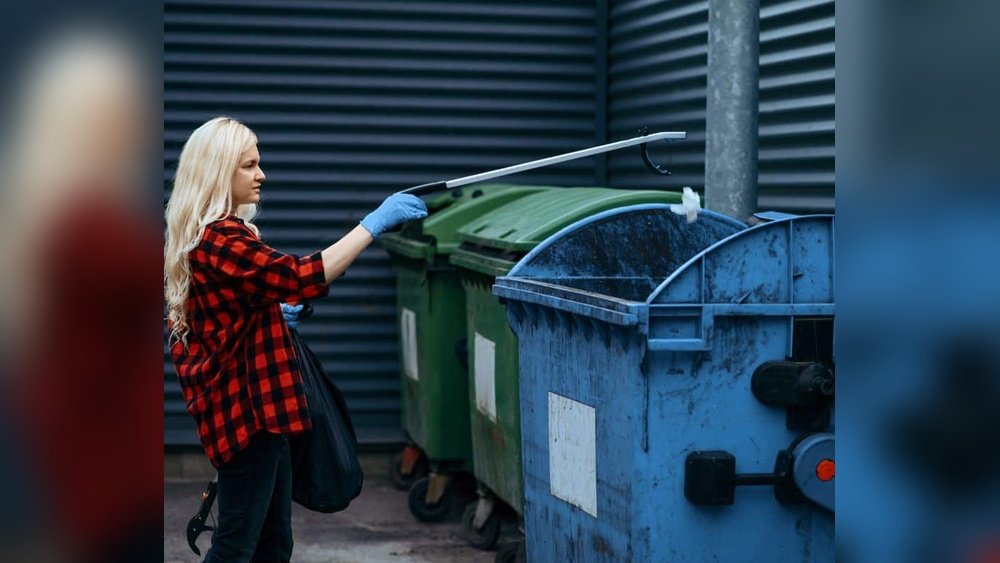
Sharp objects like broken glass or metal can cause injuries. Spoiled food and chemicals may lead to sickness. Trash bins may contain bacteria and germs. Heavy items could fall and hurt you. Watch out for pests such as rats or insects.
Protective Gear Recommendations
Wear sturdy gloves to protect your hands. Use long sleeves and pants to cover your skin. Sturdy shoes or boots prevent foot injuries. A face mask helps avoid breathing dust and germs. Bring a flashlight to see in dark areas.
Environmental Impact
Dumpsters often contain recyclable materials. Taking only what you need helps reduce waste. Avoid making extra mess or damage. Respect the area around the dumpster. Leave the site clean for others and the environment.
Tips For Responsible Dumpster Diving
Dumpster diving can be a helpful way to find useful items. It can also help reduce waste. Doing it responsibly is very important. Following simple rules keeps you safe and legal. Respect for others and their property matters a lot. Here are some tips to help you dive responsibly in Iowa.
Getting Permission
Always ask the property owner before diving. Permission prevents legal troubles. Many businesses allow diving if asked first. A quick conversation can open doors. Never enter locked or fenced areas without consent. Respect their decision if they say no.
Best Times To Dive
Choose times when dumpsters are less busy. Early mornings or late evenings work well. Avoid peak business hours to stay safe. Check local garbage collection schedules. Diving before pickup can find fresher items. Stay aware of your surroundings at all times.
Respecting Property And Privacy
Do not damage property or make a mess. Keep the area clean and tidy after diving. Avoid taking anything that is not clearly discarded. Do not enter private spaces beyond the dumpster. Respect people’s privacy and personal belongings. Leave no trace behind to maintain goodwill.
Credit: irock935.com
Alternatives To Dumpster Diving
Dumpster diving may not always be legal or safe in Iowa. Many people want to save money and reduce waste. Alternatives exist that are safer and follow the law. These options also support the community and environment.
Recycling And Donation Centers
Recycling centers accept many types of items. Paper, plastic, metal, and glass can be recycled easily. Donation centers take clothes, furniture, and electronics. These centers help items find a new home instead of trash.
Items here are often checked for safety and quality. You can find good things without breaking rules. Donating also helps people in need nearby.
Community Freecycling Programs
Freecycling means giving and taking things for free. Many towns in Iowa have freecycling groups online or in person. People share items they no longer want.
This program stops good items from wasting away. It builds community bonds and saves money. It is a legal way to get useful items.
Buying Secondhand Safely
Thrift stores and flea markets offer secondhand goods. Check items carefully before buying. Look for any damage or missing parts.
Buying secondhand helps reduce waste. It also supports local businesses and charities. Always ask questions and try items when possible.
Frequently Asked Questions
Is Dumpster Diving Legal In Iowa?
Dumpster diving in Iowa is generally legal on public property. However, trespassing on private property to dive is illegal. Always check local laws and property rights before diving.
Can I Be Arrested For Dumpster Diving In Iowa?
You can be arrested if caught trespassing or violating local ordinances. Police may consider it theft if you take discarded items from private property.
What Items Am I Allowed To Take From Dumpsters?
You can take discarded items from public dumpsters if allowed. Avoid items marked as hazardous or those on private property without permission.
Are There Specific Iowa Laws About Dumpster Diving?
Iowa has no specific dumpster diving laws. General trespassing and theft laws apply, so be cautious about where and what you take.
Conclusion
Dumpster diving in Iowa has clear rules to follow. Respect private property and avoid trespassing. Always check local laws before you dive. Knowing the limits helps you stay safe and legal. Dumpster diving can offer useful finds if done right.
Stay aware and act responsibly at all times. This way, you protect yourself and others. Keep the environment clean and respect community spaces. Understanding the law makes dumpster diving a better experience. Stay informed and dive smart.

Ismail Hossain is the founder of Law Advised. He is an Divorce, Separation, marriage lawyer. Follow him.