Motorcycle Helmet Laws in Kansas: Essential Rules You Must Know
Are you riding a motorcycle in Kansas or planning to start? Knowing the helmet laws in your state isn’t just about following rules—it’s about protecting yourself every time you hit the road.
You might wonder if you really need to wear a helmet or what the penalties are if you don’t. This guide will give you clear, easy-to-understand answers so you can stay safe and avoid costly fines. Keep reading to find out exactly what Kansas law says about motorcycle helmets and how it affects you.

Credit: www.fosterwallace.com
Kansas Helmet Law Basics
Kansas has specific rules about wearing helmets while riding motorcycles. These rules aim to keep riders safe on the road. Understanding who must wear a helmet and the age rules helps riders follow the law and avoid fines. Here is a clear explanation of the basics of Kansas helmet laws.
Who Must Wear A Helmet
In Kansas, all motorcycle riders must wear a helmet. This includes drivers and passengers. The helmet must meet safety standards set by the state. Wearing a helmet helps reduce head injuries in crashes. Police can stop riders and check for helmet use.
Age Requirements And Exceptions
Riders under 18 years old must always wear a helmet. This rule applies to both drivers and passengers. For riders 18 and older, helmets are optional if they have health insurance. The insurance must cover motorcycle injuries. If no insurance exists, helmets are required regardless of age.

Credit: www.rideapart.com
Helmet Standards And Requirements
Kansas has clear rules about motorcycle helmets. These rules keep riders safe on the road. Helmets must meet certain standards to protect riders well. Following these rules helps reduce injuries from accidents. Knowing the helmet requirements is important for every rider in Kansas.
Approved Helmet Certifications
Kansas requires helmets to have proper safety certifications. The most common approval is the DOT certification. This means the helmet meets federal safety standards. Some helmets also have Snell or ECE certifications. These are accepted but not required by Kansas law. Always check for the DOT sticker on the back of the helmet. It proves the helmet is safe to use on state roads.
Proper Helmet Fit And Maintenance
A helmet must fit snugly on the rider’s head. It should not move side to side or front to back. A good fit improves protection during a crash. Check the helmet size before buying. Replace helmets after a crash or if they show damage. Clean the helmet regularly with mild soap and water. Avoid harsh chemicals that can weaken the helmet material. Proper care helps the helmet stay strong and safe.
Penalties For Violating Helmet Laws
Riding a motorcycle without a helmet in Kansas has serious consequences. The state enforces helmet laws strictly to protect riders. Penalties for breaking these laws can affect your wallet and legal record. Understanding these penalties helps riders stay safe and avoid trouble.
Fines And Legal Consequences
Violating helmet laws in Kansas leads to fines. The amount varies by the situation and past offenses. First-time offenders might pay smaller fines. Repeat violations often result in higher fines. Law enforcement officers may also issue citations. These tickets appear on your driving record. Ignoring a ticket can lead to more penalties.
Impact On Insurance And Liability
Not wearing a helmet can increase insurance costs. Insurance companies see helmet violations as risky behavior. This risk can lead to higher premiums or denied claims. In accidents, liability issues may arise if no helmet was worn. Victims may receive less compensation for injuries. Insurance companies may also reduce payouts. Wearing a helmet protects your safety and finances.
Safety Benefits Of Wearing Helmets
Wearing a helmet while riding a motorcycle protects your head. Helmets absorb impact and reduce serious injuries. They also improve your chances of surviving crashes. Kansas law supports helmet use because safety matters. This section explains key safety benefits of helmets.
Reducing Head Injuries
Helmets act as a strong shield during accidents. They lower the risk of brain damage and skull fractures. A helmet spreads the force of a crash over a larger area. This helps prevent deep cuts and bleeding inside the brain. Riders without helmets face much higher chances of severe head injuries. Wearing a helmet keeps your head safer and reduces medical costs.
Statistics Supporting Helmet Use
Research shows helmets save lives and reduce injury severity. According to studies, helmets reduce fatal injuries by about 37%. Head injuries drop by nearly 67% for helmeted riders. Kansas reports fewer deaths where helmets are worn. States with helmet laws see fewer motorcycle deaths. These numbers prove helmets make riding safer for everyone.

Credit: chinmounts.com
Frequently Asked Questions
What Are The Helmet Laws For Motorcyclists In Kansas?
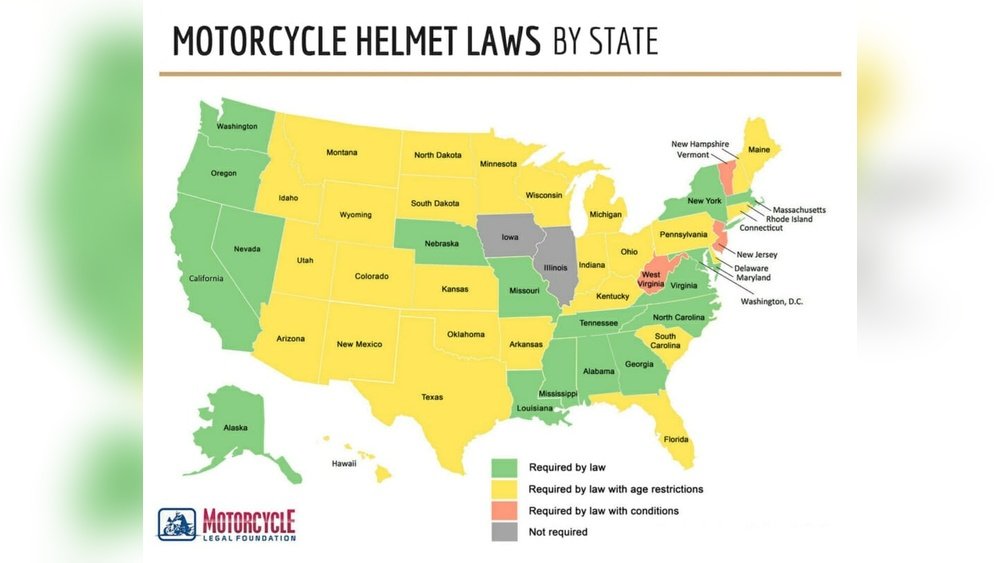
Kansas requires all riders under 18 to wear a helmet. Riders 18 and older may choose to ride without one.
Do Motorcycle Passengers In Kansas Need To Wear Helmets?
Passengers under 18 must wear helmets in Kansas. Passengers 18 and older can decide whether to wear one.
Are There Any Exceptions To Kansas Motorcycle Helmet Laws?
Kansas helmet laws mainly apply to riders and passengers under 18. No special exceptions beyond age are specified.
What Type Of Helmets Meet Kansas Legal Standards?
Helmets must meet DOT (Department of Transportation) safety standards. Look for a DOT sticker on the helmet.
Can Kansas Riders Face Fines For Not Wearing Helmets?
Yes, riders under 18 can be fined if caught without helmets. Fines vary but enforcement is taken seriously.
Does Kansas Require Eye Protection For Motorcyclists?
Kansas law requires eye protection if the motorcycle lacks a windshield. Goggles or glasses must be shatterproof and secure.
Conclusion
Kansas requires motorcycle riders under 18 to wear helmets. Riders 18 and older can choose not to wear one. Wearing a helmet reduces the risk of serious injury in crashes. It also helps you follow the law and avoid fines.
Safety should always come first on the road. Protect your head, protect your life. Stay informed about Kansas motorcycle helmet laws. Ride smart, ride safe.

Ismail Hossain is the founder of Law Advised. He is an Divorce, Separation, marriage lawyer. Follow him.