Homeschooling Laws in Kansas: Essential Guide for Parents 2026
Are you thinking about homeschooling your children in Kansas but feel unsure about the rules? You’re not alone.
Understanding homeschooling laws can be confusing, and missing a detail might cause problems down the road. This guide will break down everything you need to know about homeschooling laws in Kansas, helping you feel confident and prepared. Keep reading to discover the simple steps you must follow to give your child the best education at home—without any legal worries.
Credit: www.homeschool.com
Kansas Homeschooling Requirements
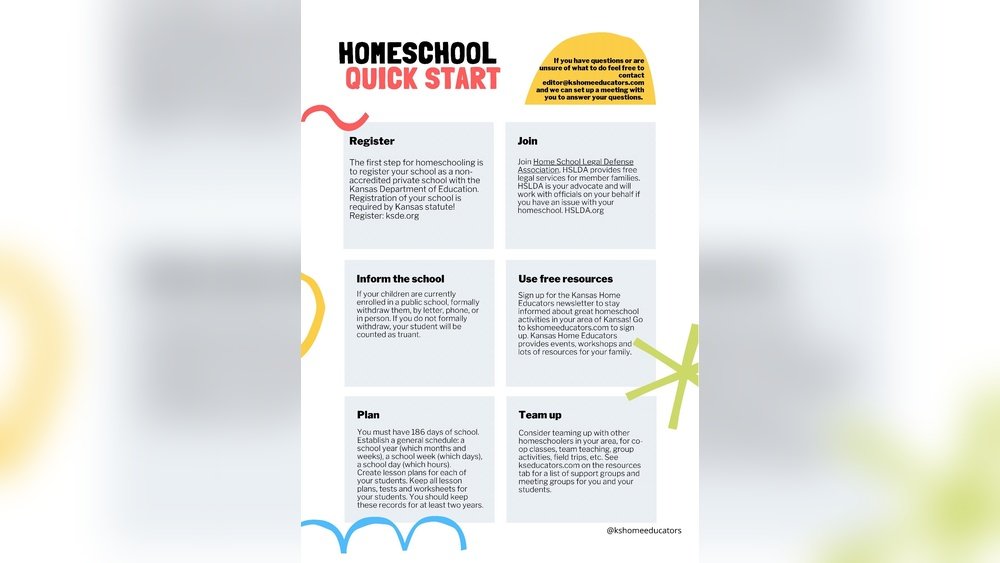
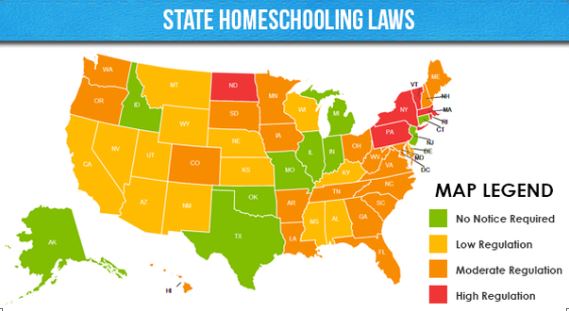
Kansas homeschooling requirements set clear rules for families who want to teach their children at home. Parents must follow specific steps to meet state law. These rules help make sure children get a good education. Understanding these requirements is important for a smooth homeschooling experience.
Notification Process
Parents must notify their local school district before starting homeschool. A letter of intent is usually required. This letter states the child’s name, birth date, and grade level. It also confirms the family will follow Kansas homeschooling laws. This step helps the school know the child will not attend public classes.
Qualifications For Parents
Kansas does not require parents to have teaching certificates. Any parent or guardian can homeschool their child. The state trusts parents to provide proper education. Parents should prepare to teach or find resources to help with lessons. Being organized and responsible is key for homeschooling success.
Required Subjects
Kansas law asks that parents teach basic subjects. These include reading, spelling, grammar, math, and good citizenship. Parents can add other subjects like science and history. The goal is a well-rounded education. Parents should keep records of lessons and progress to show compliance.
Credit: www.powerhomeschool.org
Record Keeping And Assessments
Keeping records and completing assessments are important for homeschooling in Kansas. Parents must track their child’s learning progress. This helps ensure the child meets educational standards. Good records also protect families if questions arise about the homeschooling program.
Kansas law requires parents to keep certain documents. These documents show the child’s attendance and academic work. Assessments help measure how well the child learns over time. Parents have several options for testing and evaluation.
Attendance Records
Parents must keep daily attendance records. These records show the days the child studies at home. Attendance logs can be simple lists or calendars. They prove the child is learning regularly. Keeping clear attendance records avoids legal issues.
Portfolio And Work Samples
A portfolio collects samples of the child’s work. It can include worksheets, drawings, and reports. This portfolio shows what the child has learned. Parents should organize work samples by subject and date. Portfolios give a clear picture of progress.
Testing And Evaluation Options
Kansas allows different testing methods for homeschoolers. Parents can use standardized tests approved by the state. Other options include evaluations by licensed teachers. Some families choose creative assessments like projects. Regular evaluations help track learning success.
Rights And Responsibilities
Homeschooling in Kansas offers families freedom to teach their children at home. This freedom comes with certain rights and responsibilities. Parents must know what the law allows and requires. Understanding these rules helps families provide the best education possible.
Legal Protections For Homeschoolers
Kansas law protects parents who choose to homeschool. Parents do not need to register or get approval from the state. There is no state testing or curriculum approval required. Parents must teach subjects like reading, math, and science. The law respects parents’ rights to decide what and how to teach.
School District Interactions
Families must inform their local school district if they homeschool. This is done by submitting a written notice of intent. Once homeschooling starts, the child is no longer enrolled in public school. Parents can still use some public school resources. Participation in sports or activities may be allowed with district permission.
Special Education Services
Children with special needs have rights under Kansas homeschooling law. Parents can request special education services from the local school district. The district must provide services if the child qualifies. Parents and districts work together to create a suitable plan. This ensures children receive the support they need.

Credit: opened.co
Resources And Support Networks
Homeschooling in Kansas offers various resources and support networks to help parents and students succeed. These tools provide guidance, community, and materials essential for effective home education. Families can find assistance through local groups, official state resources, and online curriculum options. Each plays a unique role in making homeschooling manageable and enjoyable.
Local Homeschool Groups
Local homeschool groups in Kansas connect families with similar goals. They offer meetups, field trips, and social events for children. Parents share advice, teaching tips, and support. These groups create a friendly environment for both parents and kids. Joining one helps reduce the feeling of homeschooling alone.
State Education Resources
Kansas provides state education resources tailored for homeschoolers. The Department of Education offers guidelines and legal information. Some districts have programs open to homeschool students. Parents can access free testing and special education services. These resources help keep homeschooling aligned with state standards.
Online Curriculum Options
Online curriculum options give families flexible learning tools. Many websites offer free and paid courses in various subjects. Parents can choose programs that fit their child’s learning style. These platforms include videos, worksheets, and interactive lessons. Online options make homeschooling more accessible and organized.
Frequently Asked Questions
What Are The Basic Homeschooling Laws In Kansas?
Kansas requires parents to provide instruction in reading, writing, math, and citizenship. Homeschooling families must keep attendance records and provide 1,050 hours of education yearly. No notification to the state is required.
Do Kansas Homeschoolers Need To Follow A Specific Curriculum?
Kansas does not mandate a specific curriculum for homeschooling. Parents can choose any curriculum that meets their child’s learning needs. Flexibility allows families to tailor education to their preferences.
Is It Necessary To Notify Kansas Schools About Homeschooling?
No formal notification to the school district is required in Kansas. Parents can start homeschooling without paperwork. This law offers privacy and freedom to homeschooling families.
Are Homeschoolers In Kansas Required To Take Standardized Tests?
Kansas does not require homeschool students to take standardized tests. Parents decide if and when to test their children. This helps avoid extra pressure on students.
Can Kansas Homeschoolers Participate In Public School Activities?
Yes, homeschool students in Kansas can join public school sports and activities. They must meet the same eligibility rules as public school students. This provides social and extracurricular opportunities.
What Records Should Kansas Homeschooling Parents Keep?
Parents should keep attendance records and samples of student work. Records help track progress and meet state hour requirements. Maintaining records is simple but important.
Conclusion
Kansas homeschooling laws require parents to notify local schools and keep records. Parents must teach required subjects and assess their child’s progress. These rules help ensure a good education at home. Families enjoy flexibility but must follow the law carefully.
Understanding these laws makes homeschooling easier and safer. Stay informed and prepared to provide the best learning experience. Homeschooling in Kansas can work well with the right knowledge and effort.

Ismail Hossain is the founder of Law Advised. He is an Divorce, Separation, marriage lawyer. Follow him.