Open Carry Gun Laws in Kansas: What Every Citizen Must Know
If you live in Kansas or plan to visit, understanding open carry gun laws is essential for your safety and peace of mind. You might think carrying a firearm openly is simple, but the rules can be tricky and vary by location.
Knowing exactly what you can and cannot do helps you avoid legal trouble and stay confident when you carry. This guide breaks down Kansas’s open carry laws in clear, easy terms so you can protect your rights and make smart choices every time you step outside.
Keep reading to learn what every responsible gun owner needs to know.

Credit: www.usconcealedcarry.com
Kansas Open Carry Basics
Kansas allows open carry of firearms with certain rules. Knowing the basics helps you stay safe and legal. This guide covers key points about open carry in Kansas.
Legal Age And Eligibility
You must be at least 21 years old to openly carry a handgun. No permit is needed for open carry if you meet age requirements. Some people cannot carry due to past crimes or mental health issues. Always check if you are eligible before carrying.
Types Of Firearms Allowed
Kansas allows open carry of handguns and long guns. Rifles and shotguns can be carried openly too. Some weapons, like fully automatic guns, are restricted. Carry only legal firearms to avoid trouble.
Permitted Carry Locations
You can openly carry in public places like streets and parks. Private property owners may limit carrying on their land. Some places, like schools and government buildings, forbid open carry. Know where you can carry before going out.
Credit: www.seton.com
License Requirements And Procedures
Understanding the license requirements and procedures is important for anyone who wants to open carry a gun in Kansas. Knowing when a license is needed, how to apply, and what background checks involve helps ensure you follow the law correctly.
When A License Is Needed
Kansas allows open carry of firearms without a license for most adults. You do not need a license to openly carry a handgun in public. The law applies only to residents who are 21 years or older. Certain places, like schools and government buildings, restrict open carry regardless of license status.
Application Process
If you want to carry a concealed handgun, you must get a license. The application goes through the local sheriff’s office. You need to fill out a form and submit it in person. The sheriff will give details about the next steps and any fees. The process usually takes about 30 days.
Background Checks
Background checks are a key part of the license process. The sheriff will check your criminal record and mental health history. This step helps keep guns away from people who might be dangerous. Passing the background check is required to receive a license. Failing means your application will be denied.
Restrictions And Prohibited Areas
Kansas allows open carry of firearms, but there are clear limits. Knowing where you can and cannot openly carry is important. Certain places have specific rules to keep people safe. These restrictions help balance rights and public safety.
Private Property Rules
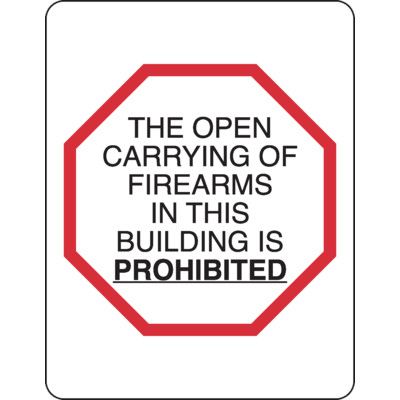
Property owners in Kansas control firearm access on their land. They can ban open carry on private property. Signs or direct notice must inform visitors of these rules. Respecting property owners’ decisions is required by law. Carrying a gun where it is banned can lead to legal trouble.
Government Buildings
Open carry is not allowed inside most government buildings. This includes courthouses and city halls. The ban helps protect officials and visitors. Security checks may be in place at entrances. Ignoring these rules can result in fines or arrest.
Schools And Public Events
Schools strictly prohibit open carry of firearms on their grounds. This rule applies to both public and private schools. Carrying weapons at public events is also limited. Some events may require no firearms at all. These rules aim to keep children and crowds safe.
Safety Tips And Legal Responsibilities
Carrying a gun openly in Kansas comes with important safety tips and legal duties. Knowing these helps protect you and others around you. It also keeps you within the law. Understanding how to handle and store your firearm is key. So is knowing how to act during police encounters. Being aware of the consequences of breaking the rules matters too.
Proper Handling And Storage
Always keep your finger off the trigger until ready to shoot. Hold your gun firmly and point it in a safe direction. Store firearms unloaded and locked away when not in use. Use gun safes or lockboxes to prevent accidents. Keep ammunition separate from your gun. These steps reduce the risk of unintentional harm.
Interacting With Law Enforcement
Stay calm and be polite if a police officer approaches. Inform the officer you are openly carrying a firearm. Keep your hands visible and avoid sudden movements. Follow all instructions given by the officer carefully. Clear communication can help avoid misunderstandings. Your cooperation shows respect for the law.
Consequences Of Violations
Breaking open carry laws can lead to serious trouble. You might face fines, jail time, or loss of gun rights. Some violations can create dangerous situations for others. Courts take these offenses seriously to keep communities safe. Always follow the rules to avoid legal problems and protect everyone.

Credit: www.mysecuritysign.com
Frequently Asked Questions
What Are The Basic Open Carry Laws In Kansas?
Kansas allows open carry of firearms without a permit for adults 21 and older. The gun must be visible and carried in a holster or belt. Certain places still restrict open carry.
Do I Need A Permit To Open Carry A Gun In Kansas?
No permit is required to openly carry a firearm in Kansas. Only concealed carry needs a license. Open carry is legal statewide for eligible adults.
Where Is Open Carry Prohibited In Kansas?
Open carry is banned in schools, government buildings, and private property that forbids guns. Some businesses may post no-gun signs. Always check local rules before carrying.
Can I Open Carry A Handgun And A Rifle In Kansas?
Yes, Kansas law permits open carry of both handguns and long guns. Both must be carried openly and safely in public areas. Concealed carry requires a license.
Are There Age Restrictions For Open Carry In Kansas?
You must be at least 21 years old to openly carry a firearm in Kansas. Those under 21 can carry with a valid license or in limited cases. Always confirm age limits.
How Does Kansas Law Treat Open Carry On Private Property?
Private property owners can ban open carry on their land or buildings. You must follow their rules and remove your firearm if asked. Respecting private property rights is key.
Conclusion
Kansas allows open carry with few restrictions. Knowing the laws helps you stay safe and legal. Always check local rules before carrying a gun openly. Respect public places that may ban open carry. Carrying responsibly protects your rights and those around you.
Stay informed as laws can change over time. Understanding Kansas open carry rules keeps you prepared. Stay safe, follow the law, and carry smart.

Ismail Hossain is the founder of Law Advised. He is an Divorce, Separation, marriage lawyer. Follow him.